This Blinding Absence of Light Reader's Guide
-
 Loading...
 - Debora Costa
- 01 Aug 2022
- 107 Views
- 0 Like
- 0 Comment
READERS GUIDE
Questions and Topics for Discussion
INTRODUCTION
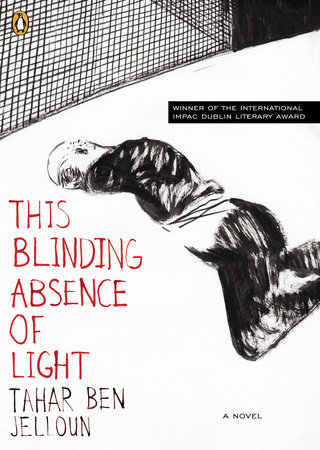
Like many books that bear witness to human cruelty, Tahar Ben Jelloun’s This Blinding Absence of Light is propelled by a simple, powerful narrative. Its spare tone and lean style are reminiscent of other great books of life under totalitarianism. (Elie Wiesel’s Night and Alexander Solzhenitsyn’s memoir The Gulag Archipelago spring immediately to mind.) Ben Jelloun’s book is in many ways all the more affecting in that it deals with evil of smaller scale than these works, but its message is similar: that autocratic government institutions act without mercy.
The book is not without ambiguity. Though the protagonist/narrator is jailed for his role in a revolutionary coup attempt in 1971, few readers would sympathize with the revolutionaries in question: The “revolt against the state” that the narrator has participated in may to some resemble little more than the massacre of attendants at a royal birthday celebration.
Whatever the narrator’s guilt or the merits of his cause, his arrest condemns him to twenty years in a subterranean jail cell too small to stand up in. There the protagonist is subject to horrific tortures. But just as challenging over time is the unchanging purgatory of prison life: the same stale bread and weak coffee, the same complaints from the inmate in the next cell, the same memories of laughter and sunlight before his incarceration. Self-control is the narrator’s defense. “If it is the child within us who awakens when we are afraid,” he tells us, “here it was the wise man and the lunatic in me who revealed themselves as ardent opponents, each striving to take me the farthest from myself.” Read More...