This Is What Happens When You Drink a Gallon of Water a Day
-
 Loading...
 - Murielle Garga
- 11 Aug 2022
- 72 Views
- 0 Like
- 0 Comment
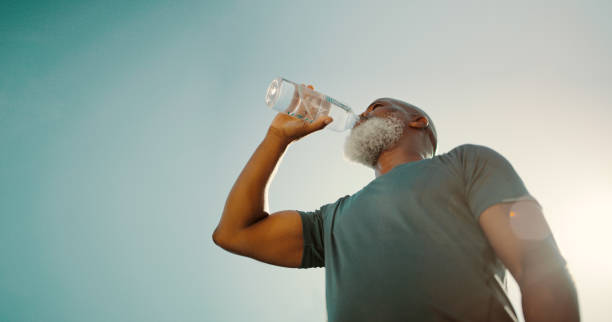
Age-old stories and advice would have us believe drinking a gallon of water a day will solve every problem we have, from weight loss to anti-aging. You can even trick your brain into drinking more water for those very reasons. But is it a myth? One might imagine it wouldn't help much more than the frequency of trips to the bathroom. That, and with evidence suggesting it's possible to drink too much water, we're getting some mixed messages here.
So before trying it ourselves and subsequently carrying a gallon of water around with us all day, we first asked experts in fitness, nutrition, and skin about what upping our water intake really means for our health and well-being. It turns out guzzling water is not a cure-all for any and every body-related issue. But there are five surprising things that added hydration helps with, according to our experts. Below, top trainers, estheticians, and nutritionists discuss the truth behind the water bottle.
Your Metabolic Rate Will Spike
"Get this," says Heidi Powell, celebrity trainer and fitness blogger. "If the human body consumes 16 ounces of water in a given hour, the metabolic rate will spike by as much as 30 percent for the next 30 to 40 minutes. By committing to drinking half your body weight in ounces of water each day, research says you can expect to lose more weight."1
By committing to drinking half your body weight in ounces of water each day, research says you can expect to lose more weight.
She continues, "There is a single enzyme—called lipase—that must be activated in your body in order to mobilize fat (i.e. get rid of it). Water is one of the many necessary components in the activation of lipase."
Your Workouts Improve on a Cellular Level
"In terms of fitness," says Kara Griffin, a personal trainer, holistic nutritionist, and health coach, "water is the key to healthy, well-functioning cells. So drinking enough is going to help with exercise on a cellular level." Studies have shown dehydration most negatively affects endurance exercise, so make sure you are hydrated during a long run.
Proper hydration also helps you maximize workouts; just don't down your entire water bottle immediately before your sweat session. "Strength and power workouts (think CrossFit) are less affected by dehydration, but studies have shown some detriment to or lack in performance. Staying hydrated will increase performance across all exercise forms, but chugging water before a workout can not only cramp you up but also make you feel more sluggish and less focused on the task at hand. Drink a glass of water 20 to 30 minutes before your next workout, and take little sips throughout (if needed) to get you closer to your personal peak performance."
Additionally, water helps your body maintain and regulate its energy stores. "You need water to bond to glycogen to create an energy reserve in your muscle (this is called ATP)," adds Drew Logan, fitness expert and author. 4 "Without water, you are less capable of storing energy because there is less oxygen in the muscle, less blood flow when you're dehydrated, and less delivery and bonding of glycogen to create the energy needed." In other words, drink up to power up.
Your Wrinkles Will Not Disappear
"When you drink water, it doesn't go directly to the skin," says celebrity esthetician Renée Rouleau (whose skincare products actress Camila Mendes is a fan of.) "It runs through the intestines, gets absorbed into your bloodstream, and is filtered out by the kidneys. At this point, it will hydrate the cells inside the body. Wrinkles are due to DNA damage from the UV light. Drinking water will not reverse this process, and hydration levels in the skin have very little to do with drinking water internally."
"Rather, how you treat your skin on the surface [is important]. For example, if you're using harsh bar soaps and detergent-based cleansers to wash your face, they will have a bigger impact on the lack of surface hydration in the skin than not drinking water ever will. You can make wrinkles soften and appear less noticeable with regular use of exfoliants, retinol, barrier-repairing moisturizers, and masks." Read More...