This won't hurt: How science and a sticker could tackle needle-phobia in kids
-
 Loading...
 - frankie freya
- 31 May 2022
- 282 Views
- 1 Like
- 0 Comment
Tens of thousands of Kiwi tamariki are admitted to hospital each year. Many will require potentially distressing or painful procedures performed under sedation – which makes a child feel sleepy and calm, reducing their awareness and memory.
Many common sedative medicines are injected into the vein, or, inhaled through a mask or tubes in the nose, which can be distressing in itself.
But a group of Kiwi researchers hope microneedles – tiny needles, as thin as human hair, usually attached to a sticky patch which can deliver medicines through the skin – can change the game.
Because microneedles are so small, they do not reach pain receptors deeper in the skin, meaning they are painless compared to traditional needles, Dr Manisha Sharma said, an expert in novel drug delivery systems from the University of Auckland.
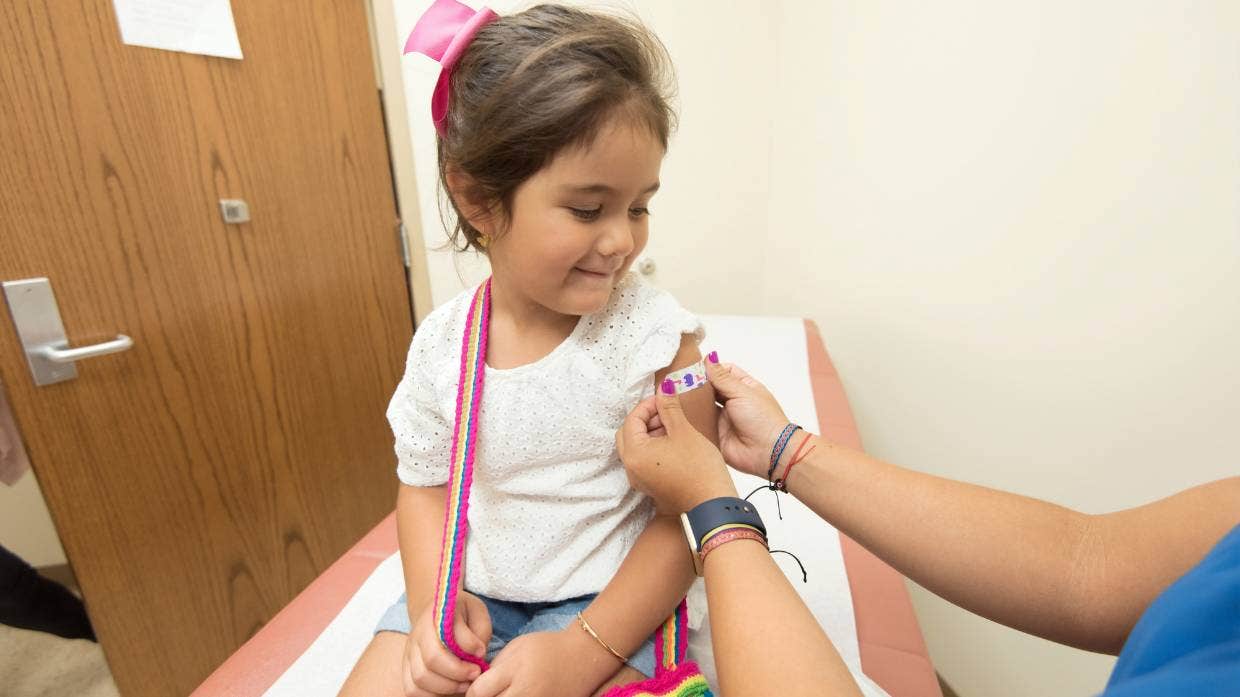
They are also relatively effortless to apply: like putting on a plaster or sticker.
Improving sedation in emergency departments and prior to surgery was the impetus for the research, as “no-one wants to see their child going through distress”, she said.

Sharma, alongside Dr Nicola Whittle, an anaesthetist at Waikato Hospital, Dr Martyn Harvey, an emergency physician at Waikato Hospital and Dr Brian Anderson, a University of Auckland professor plan to design and evaluate a dissolvable microneedle patch loaded with sedative.
Their research is still in the “very early” stages, Sharma said.
Once they establish proof of concept, it could take more than a year to develop a prototype. They’ll then test the patch in rats to ensure it is safe and effective, before moving into human trials.
Part of the proof-of-concept stage will involve investigating getting the patches loaded with the drug, and, the mechanism of drug release and absorption into the body. Read More…