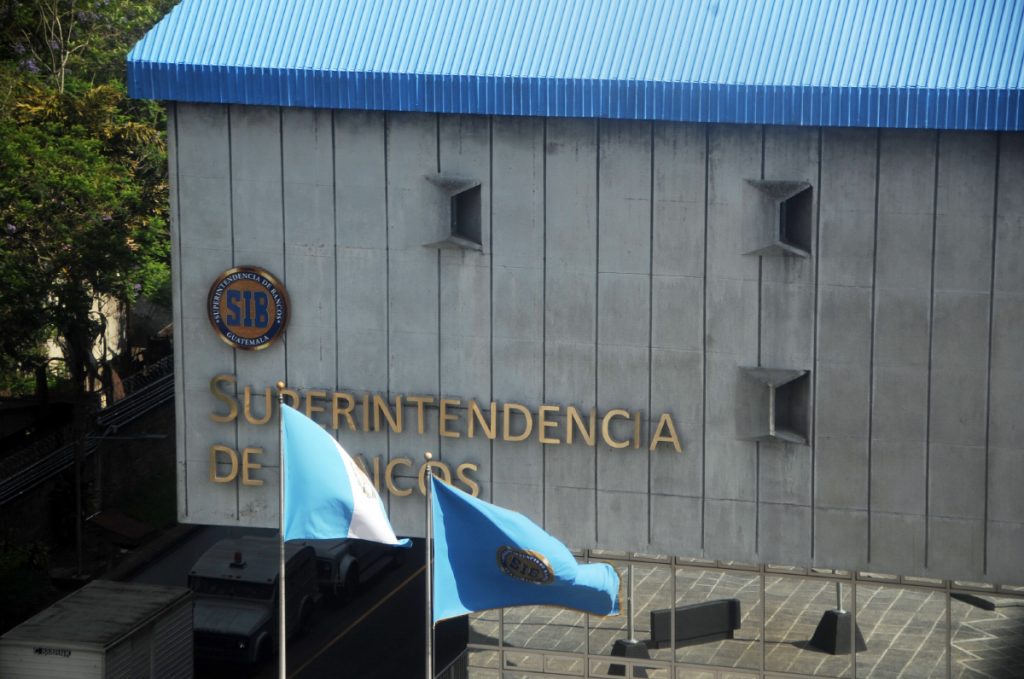
This year “offshore†banking says goodbye in Guatemala
-
 Loading...
 - Cornelia Aakster
- 18 Jul 2022
- 104 Views
- 0 Like
- 0 Comment
In 2008, the Superintendence of Banks (SIB) reported seven out-of-town entities in operation, by May of this year the number has been reduced to four and as of January 2023 they are expected to have completed the process to close.
In order to operate, these entities must have the authorization of the Monetary Board (JM) and belong to one of the Guatemalan financial groups. According to SIB reports, Westrust Bank, Mercom Bank, Bac Bank and GTC Bank are currently operating.
A program has already begun “to allow, in the short term, the orderly transfer of operations from offshore entities to the banking institution of the financial group to which it belongs, which will strengthen the Guatemalan financial system”; added the SIB.
Edgar Chavarría, manager of personal banking at Banco Industrial (Bi), in this regard said that the decision to close the offshore entity is in accordance with good international financial practices and has already been communicated to clients who will have this operation until December 31. December 2022.
As an option, there is the transfer of assets to the local bank and those that are part of Bi in the region, explained Chavarría, although most prefer to have them in the country.
The credit portfolio in entities outside the market in 2008 reached the equivalent of Q15.2 billion, while as of May 2022 the amount in the general balance is of Q2.3 billion. Likewise, assets went from Q21 billion to Q10.4 billion in that period.
According to the SIB, the exclusive services that these entities provided a few years ago are now provided by local banks, which is why the JM has received the request to revoke the authorizations and that the four remaining entities have considerably reduced their operations.
no impacts
The 'offshore' entities stopped offering the advantages that were initially sought, such as the ease of operating in foreign currency and connecting with international banks, to this are added the adjustments that they had to make before the Patriot Act, the money laundering regulations, explained the former manager of the Bank of Guatemala, Fabián Pira.
Most of the 'offshore' banking was in places that have been classified as tax havens that face difficulties in carrying out transactions with US banks, while entities authorized in Guatemala have more facilities to operate with US banks, he added. .
By changing these conditions, the entities outside the market ceased to be indispensable, Pira assured that he does not see that with the closure of this bank there will be any impact on the financial system or for the clients. Read More...