Three Revolutionary Films by Ousmane Sembène: History in the Remaking
-
 Loading...
 - David Adom
- 23 Dec 2024
- 37 Views
- 0 Like
- 0 Comment
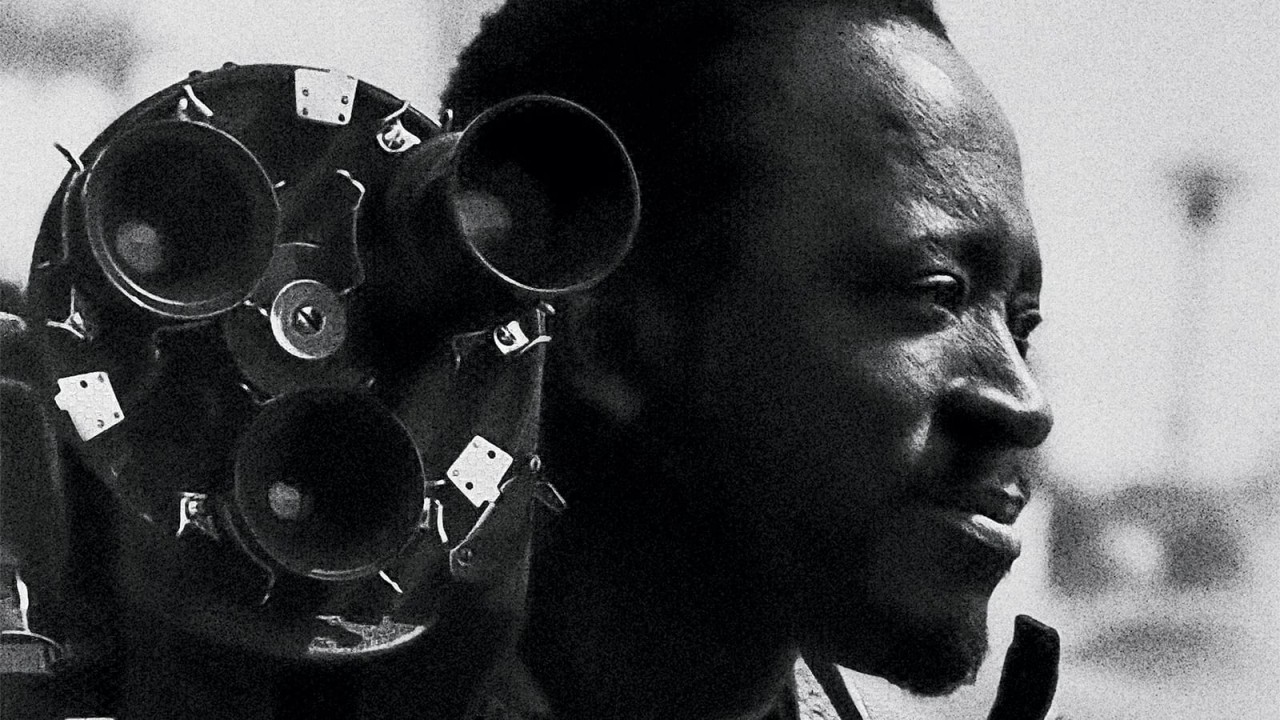
In a 1983 documentary interview, Senegalese filmmaker Ousmane Sembène asserted, “Why be a sunflower and turn toward the sun? I myself am the sun.” This statement, while it may seem egotistical, reflects a profound commitment to African autonomy and a rejection of colonial subjugation. Sembène, often regarded as the most significant figure in African cinema, dedicated his four-decade career to establishing a vibrant, independent cinematic tradition on the continent.
Before Sembène's emergence, cinema in Africa primarily served as a tool of European oppression, introduced by colonial forces to regulate and dominate. The 1934 Laval Decree prohibited Africans in French colonies from making films, effectively stifling any potential for self-representation. It was only after the colonial era ended in the 1960s that filmmakers began to reshape cinema into a medium for counter-narratives, aiming to accurately portray African lives and struggles. This cultural production was part of a broader decolonization effort, with filmmakers using cinema to advocate for African liberation.
Sembène epitomized this movement. Born in 1923 in Ziguinchor, Senegal, he had a diverse work history before turning to film. His experiences as a soldier in World War II and his exposure to Black American literature and Marxist ideology in France deepened his political consciousness and artistic aspirations. After Senegal gained independence in 1960, Sembène trained as a filmmaker in the Soviet Union and produced several influential films, including Black Girl (1966), which critiques the brutalities of colonization through the story of a young Senegalese woman.
The 1970s marked a pivotal period in Sembène's career, during which he created three of his most significant films: Emitaï (1971), Xala (1975), and Ceddo (1977). These films not only showcase his political engagement but also his innovative approach to storytelling and cinematic form.
Emitaï is set in 1942 in the Casamance region and depicts a moment of anticolonial resistance during World War II. The film follows a Diola village grappling with the forced conscription of their men and the theft of their rice by colonial authorities. Through the community's refusal to comply, led by its women, Sembène highlights the potential for revolutionary change. This film serves as a political education tool, reclaiming a suppressed history of anticolonial struggle and critiquing the oppressive narratives imposed by colonial education.
In contrast, Xala employs satire to critique the Senegalese bourgeoisie. The protagonist, El Hadji Abdou Kader Beye, suffers from impotence, a metaphor for the impotence of a class that has failed its people by relying on colonial power. Set in Sembène's contemporary time, the film interrogates the narratives of African socialism propagated by the Senghor government, exposing the contradictions between state rhetoric and the lived realities of the Senegalese populace.
Ceddo delves into Senegal's past, exploring the dynamics of imperialism and conquest between the 18th and 19th centuries. The film follows the Ceddo, a community of animists, as they resist the imposition of Islam and the encroachment of colonial forces. The narrative culminates in a powerful act of defiance, suggesting an alternative history where the Ceddo successfully resist domination. Sembène's use of oral storytelling techniques and the figure of the griot underscores the importance of cultural memory in shaping a collective identity.
Sembène's films are characterized by their formal experimentation and political engagement. He challenges traditional cinematic codes, employing innovative narrative structures and sound design to enhance the political messages of his work. In Emitaï, the film incorporates elements of the supernatural, while Xala utilizes dense montage to juxtapose the lives of the bourgeoisie and the lower classes. Ceddo interweaves different temporalities, presenting a fluid understanding of history that resists fixed narratives.
Sembène's attention to sound is equally significant. He uses music and dialogue to convey political meaning, often contrasting the rhetoric of men with the silent strength of women. In Xala, the protagonist's impotence is mirrored by the hollow rhetoric of the bourgeoisie, while in Ceddo, the nearly silent princess emerges as a powerful figure of resistance.
Despite his groundbreaking contributions, Sembène's work has often been overshadowed by the more flamboyant styles of contemporaries like Djibril Diop Mambéty. However, Sembène's films transcend simplistic categorizations of social realism, embodying a rich tapestry of cultural and political narratives. His commitment to using cinema as a tool for political education and social change has left an indelible mark on African cinema. As a founding member of the Pan-African Federation of Filmmakers (FEPACI), Sembène championed the use of film for cultural and economic liberation, positioning himself as a vital figure in the broader struggle for African autonomy.
Sembène's films not only reflect the complexities of Senegalese society but also engage with universal themes of resistance, identity, and the quest for justice. His ability to weave together personal and collective narratives has inspired generations of filmmakers and activists, making his work a cornerstone of African cultural heritage. By reclaiming history and challenging dominant narratives, Sembène's legacy continues to resonate, reminding us of the power of cinema to illuminate the struggles and triumphs of marginalized communities.