Ticks in Denmark: How to protect yourself and what to do if you get bitten
-
 Loading...
 - Emil Agard
- 08 Jul 2022
- 114 Views
- 0 Like
- 0 Comment
The humid and warm weather Denmark has experienced so far this year could make ticks even more common than usual this summer, an official said.
Ticks (skovflåter) can be found all over Denmark in forests, meadows, and long grass. They are particularly active during the summer months and increase in number if the weather has been warm and humid. So if you’re hiking, camping or berry-picking this summer, there’s a risk of getting a tick bite (skovflåtbid).
What are ticks?
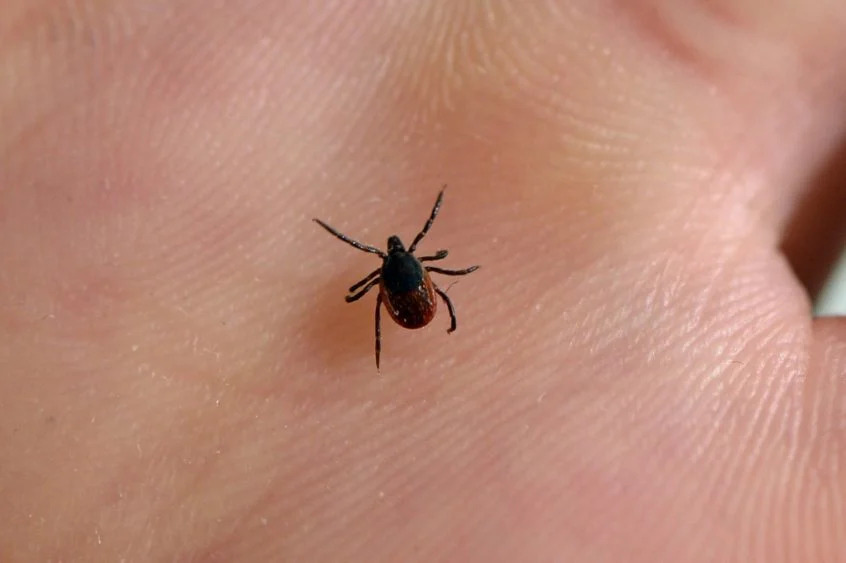
Ticks are small, spider-like creatures which vary in size, usually between 1mm to 1cm long. They do not fly or jump but climb on to animals or humans as they brush past. Once a tick bites into the skin, it feeds on blood for a few days before dropping off. In Denmark, ticks are often found on rodents or deer and they are particularly prevalent between May and October.
Lyme Disease (Borreliose)
In Denmark, the most common disease ticks transmit is Lyme disease and around 15 per cent of ticks in Denmark’s forests carry this.
It is not known exactly how many people in Denmark get Lyme disease every year, but it is estimated that there are a few thousand cases.
However this is a very small percentage of those who have been bitten by a tick. Broadcaster TV2 has reported that in 98 per cent of cases, people do not get ill from a tick bite.
“If you remove the tick within 24 hours, you most likely won’t get Lyme disease, as it takes longer than this for the bacteria, called borrelia, to transfer to the bloodstream,” Peter Andersen, senior medical officer at the State Serum Institute’s Infectious Disease Epidemiology and Prevention department, told The Local.
Andersen said that humid and warm weather in Denmark so far this year has caused a high number of ticks.
For those who do develop Lyme disease, the symptoms usually appear between two and six weeks after the bite, but sometimes longer.
Some people can get flu-like symptoms a few days or weeks after being bitten by an infected tick. Children may complain of stomach ache, lose their appetite or lack energy. Read More...