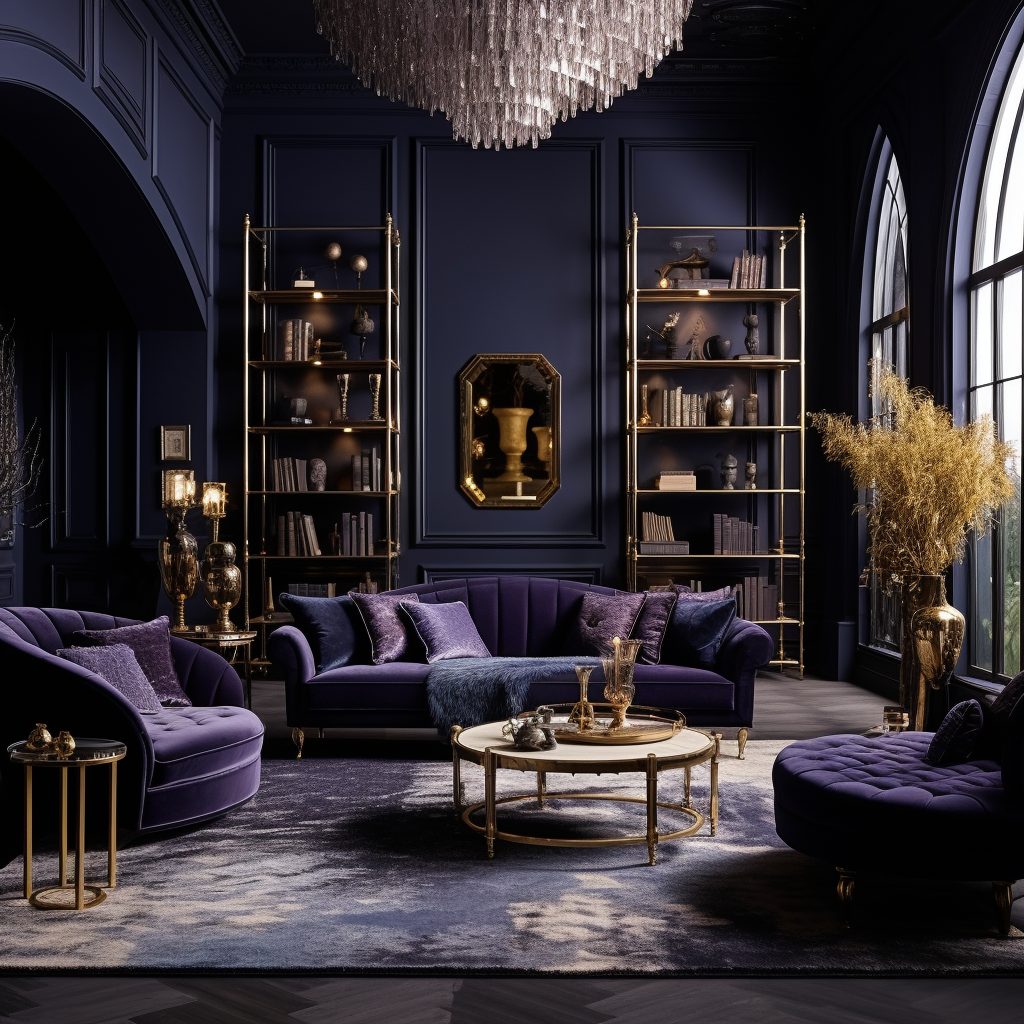
Tips for Choosing the Right Color Palette for Your Home
-
 Loading...
 - Adelinde Horn
- 09 Jul 2024
- 54 Views
- 0 Like
- 0 Comment
Discover the secrets to selecting the perfect color palette that will transform your living space into a vibrant, harmonious oasis. Get expert tips on how to choose the right hues for your home.
Decorating your home can be an exhilarating and daunting task all at once. One of the most crucial decisions you'll make is choosing the right color palette – a decision that can make or break the entire aesthetic of your living space. After all, color has the power to set the mood, evoke emotions, and tie the entire design scheme together.
Whether you're starting from scratch or giving your home a much-needed facelift, navigating the endless color options can feel overwhelming. But fear not, my friends! In this comprehensive guide, we'll uncover the secrets to selecting the perfect color palette that will turn your house into the vibrant, harmonious oasis of your dreams.

Understand the Color Wheel
The first step in your color-choosing journey is to familiarize yourself with the color wheel. This essential tool is the foundation for understanding how colors interact and complement each other.
The color wheel is divided into three primary colors (red, yellow, and blue), three secondary colors (orange, green, and purple), and six tertiary colors (yellow-orange, red-orange, red-purple, blue-purple, blue-green, and yellow-green).
By understanding the relationships between these hues, you'll be able to create color schemes that are visually appealing and cohesive. For example, analogous colors (those that sit next to each other on the wheel, like blue and green) create a soothing, harmonious look, while complementary colors (those that sit opposite each other, like red and green) add a bold, contrasting vibe.
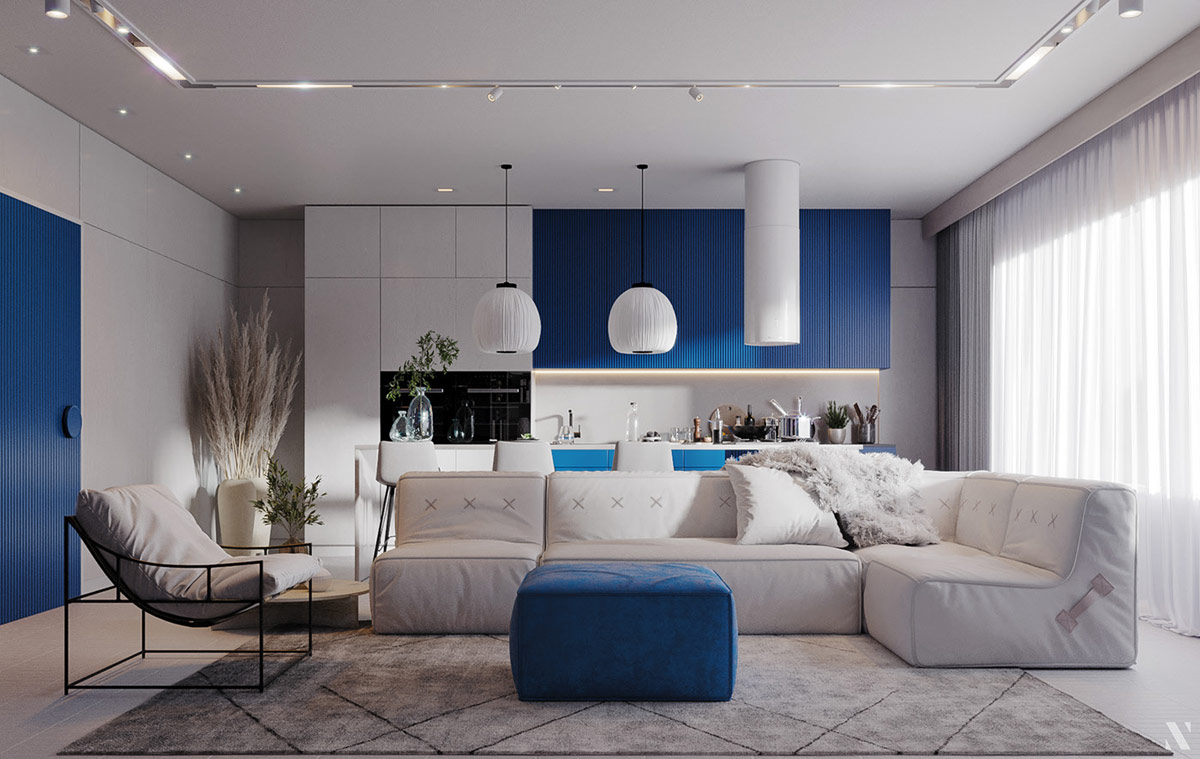
Consider the Mood and Atmosphere
Before you start picking out paint swatches, it's important to think about the overall mood and atmosphere you want to create in your home. Are you going for a cozy, inviting feel? A bright, airy ambiance? Or perhaps a moody, sophisticated vibe?
The colors you choose can have a significant impact on the emotional response of those who enter your living space. Warm tones like reds, oranges, and yellows tend to evoke feelings of comfort and energy, while cool hues like blues and greens can promote a sense of calm and relaxation.
Take some time to reflect on how you want your home to make you and your guests feel. This will help you narrow down your color palette and ensure that the final result aligns with your desired aesthetic.
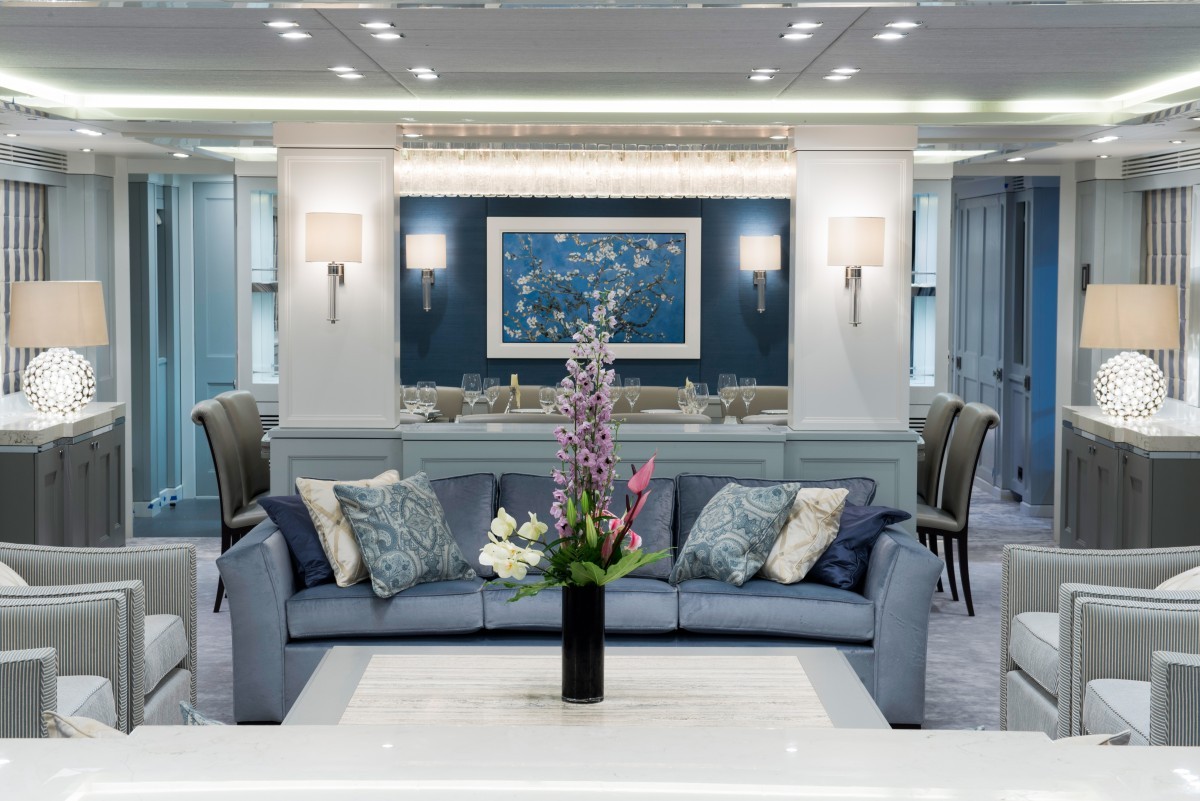
Determine Your Undertones
One often-overlooked aspect of color selection is understanding undertones. Undertones are the subtle, underlying hues that can significantly impact the overall appearance of a color.
For example, a seemingly neutral beige paint color can have warm, yellow-based undertones or cool, gray-based undertones. Knowing the undertones of the colors you're considering can help you create a cohesive, harmonious color scheme throughout your home.
To determine the undertones of a color, look at it in natural daylight and observe how it interacts with the surrounding environment. Does it lean more towards the warm or cool end of the spectrum? This information will be crucial as you start to mix and match different hues.
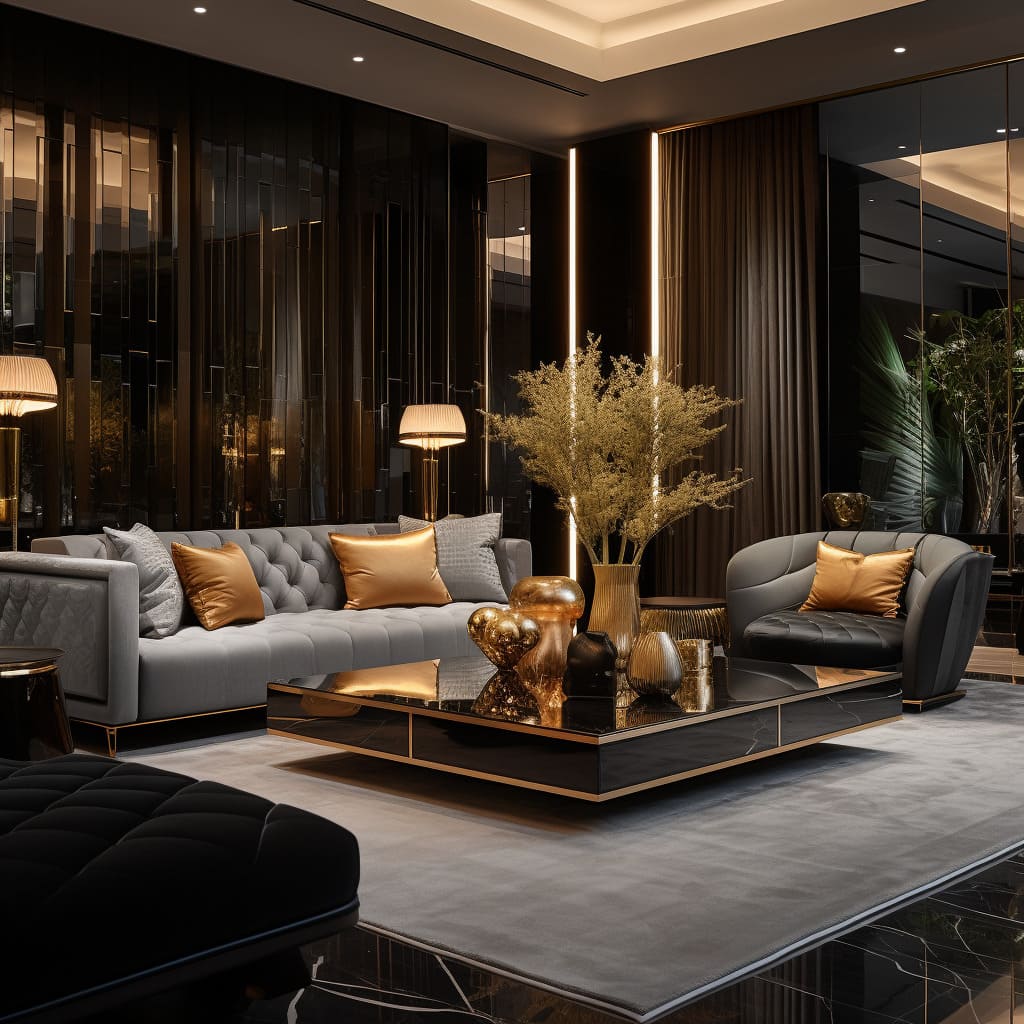
Balance Light and Dark
When crafting your color palette, it's important to strike a balance between light and dark tones. Incorporating a range of values, from soft pastels to rich, deep shades, will create visual interest and depth in your living space.
A good rule of thumb is to use a 60-30-10 rule: 60% of your color scheme should be a dominant, neutral hue (like white, gray, or beige), 30% should be secondary, complementary colors, and 10% should be accent shades that add a pop of vibrancy.
This balanced approach will prevent your home from feeling overwhelming or one-dimensional. It also allows you to experiment with bolder, more dynamic color combinations without sacrificing the overall cohesiveness of your design.
Incorporate Texture and Patterns
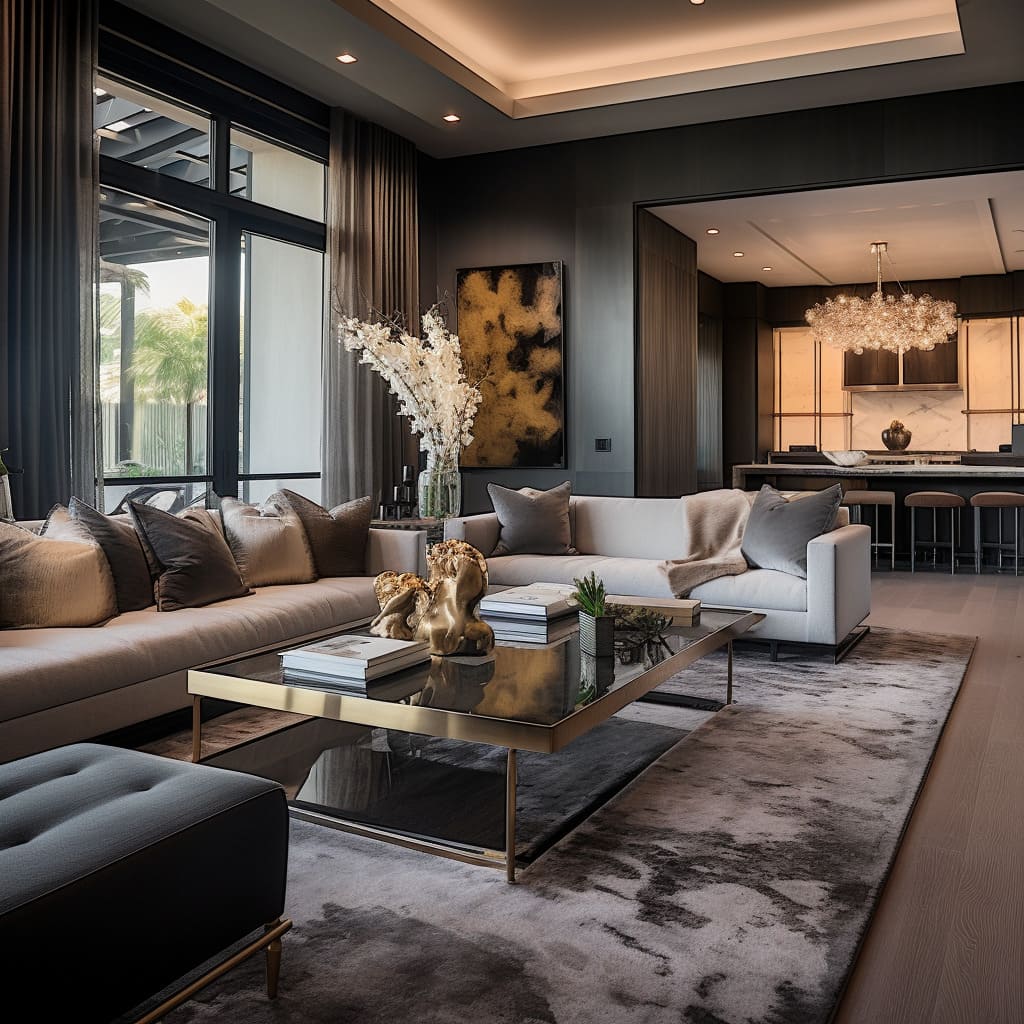
Elevate your color palette by incorporating a variety of textures and patterns into your home decor. This will add depth, dimension, and visual interest to your living space.
For example, you could pair a soft, velvet sofa in a rich, jewel-toned hue with a geometric-patterned rug in complementary shades. Or, you could hang a statement piece of artwork with bold, abstract brushstrokes to serve as the focal point of a room.
By playing with different materials, finishes, and design elements, you can create a truly dynamic and captivating color scheme that reflects your personal style and taste.
Test and Experiment
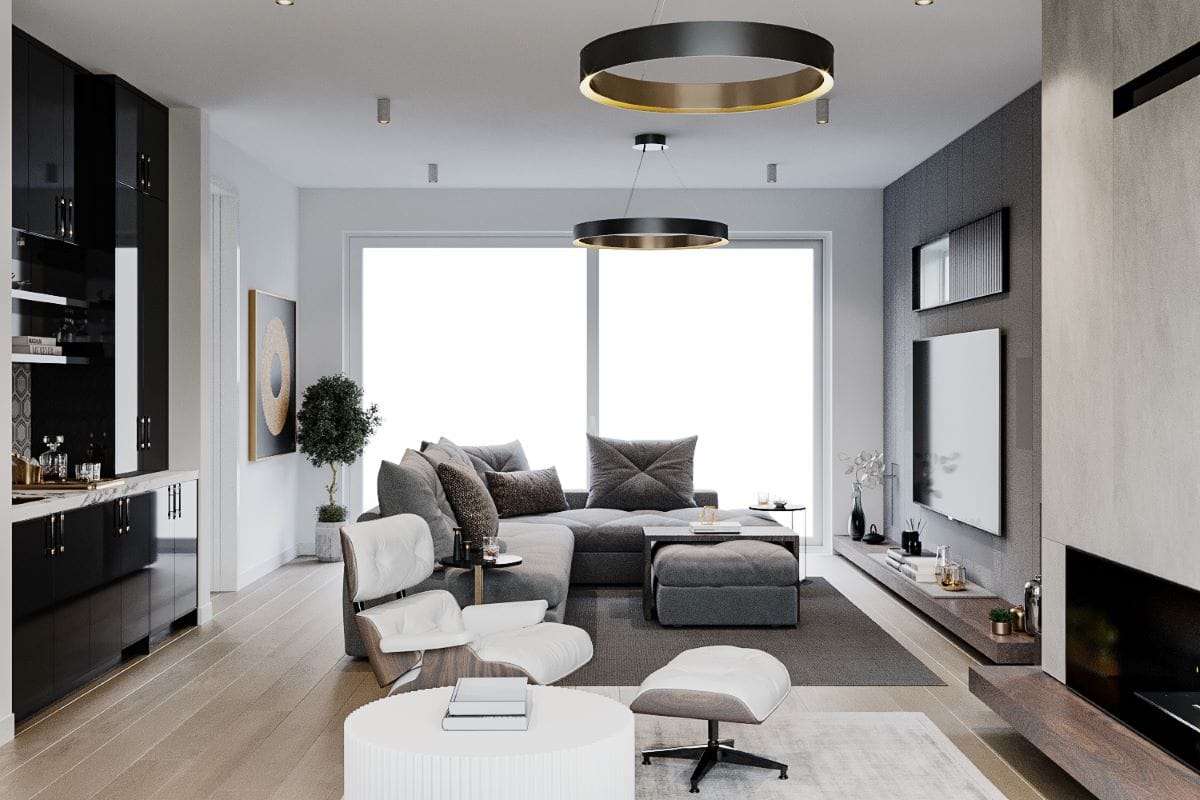
As with any creative endeavor, the key to finding the perfect color palette for your home is to test and experiment. Don't be afraid to try out different color combinations, paint swatches, and decor pieces until you land on a scheme that truly resonates with you.
Consider creating a mood board or color collage to help you visualize how the various hues and elements will work together. This can be especially helpful if you're having trouble envisioning the final result.
Remember, your home is a reflection of your unique personality and preferences. Don't be afraid to step outside of your comfort zone and embrace bold, unexpected color choices. After all, the most beautiful and inspiring spaces are often the ones that defy convention.
Conclusion
Choosing the right color palette for your home is a journey of self-discovery, creativity, and experimentation. By understanding the fundamentals of color theory, considering the mood and atmosphere you want to create, and testing out various combinations, you can transform your living space into a true reflection of your personal style and taste.
Remember, there is no one-size-fits-all solution when it comes to color. The key is to have fun, embrace your unique preferences, and trust your instincts. With these tips in your arsenal, you'll be well on your way to crafting a color scheme that will make your house feel like the vibrant, harmonious home of your dreams.