Tips for First Time Travellers to Ghana
-
 Loading...
 - James Fisher
- 24 May 2023
- 76 Views
- 0 Like
- 0 Comment
Planning a trip to Ghana? Discover essential tips for first-time travelers to Ghana, including cultural insights, transportation options, safety precautions, and must-visit attractions.
Ghana, located in West Africa, is a country renowned for its vibrant culture, welcoming people, and diverse landscapes. If you're embarking on your first journey to Ghana, it's essential to be well-prepared to make the most of your experience. This article provides valuable tips and insights to ensure a smooth and enjoyable trip to Ghana, from understanding the local customs to exploring the top attractions the country has to offer.
Tips for First Time Travellers to Ghana
Are you excited about your first adventure to Ghana? Here are some valuable tips to keep in mind:
1. Research the Culture and Customs
To fully appreciate and respect the local culture, take the time to learn about Ghanaian customs, traditions, and etiquette. Ghanaians are known for their warm hospitality, so understanding and embracing their customs will help you connect with the locals on a deeper level.
2. Pack Accordingly
Before heading to Ghana, pack appropriate clothing for the tropical climate. Lightweight, breathable fabrics are recommended, along with comfortable shoes for walking and exploring. Don't forget essentials such as sunscreen, insect repellent, and a good hat to protect yourself from the sun.
3. Obtain Necessary Travel Documents
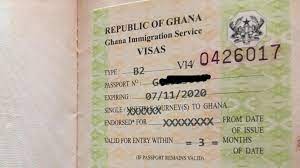
Ensure you have a valid passport with at least six months of remaining validity. Depending on your nationality, you may need a visa to enter Ghana. Check the requirements beforehand and apply for a visa if necessary. It's also a good idea to have a copy of your passport and other important documents stored securely in case of emergencies.
4. Get Vaccinated
Protect your health by consulting with a healthcare professional regarding the necessary vaccinations for traveling to Ghana. Common vaccines recommended include yellow fever, typhoid, hepatitis A, and malaria prophylaxis. Make sure to get vaccinated well in advance of your departure date to allow sufficient time for the vaccines to take effect.
5. Plan Your Itinerary
Research the top attractions and destinations in Ghana and plan your itinerary accordingly. From the bustling capital of Accra to the historic slave castles of Cape Coast and the stunning landscapes of Kakum National Park, Ghana has much to offer. Consider the duration of your stay and prioritize the sites and activities that interest you the most.
6. Learn Basic Local Phrases
While English is widely spoken in Ghana, learning a few basic local phrases such as greetings and expressions of gratitude can go a long way in connecting with the locals. Ghanaians will appreciate your effort to embrace their language and culture.
7. Currency and Money Matters
The official currency in Ghana is the Ghanaian Cedi (GHS). It's advisable to exchange some currency before your arrival or withdraw cash from ATMs upon arrival. Credit cards are accepted in some establishments, but it's always handy to have cash on hand, especially in more remote areas.
8. Transportation Options
Getting around Ghana can be an adventure in itself. While public transportation is available, including buses and shared taxis, it's important to exercise caution and be mindful of your belongings. Private taxis and hiring a driver are other popular options for traveling within the country.
9. Stay Hydrated and Mindful of Food Safety
To avoid dehydration, always carry a water bottle and drink purified or bottled water. When it comes to food, explore the local cuisine but opt for well-cooked meals and avoid street food that may not meet hygiene standards. It's also advisable to bring some over-the-counter medication for common travel ailments such as stomach upsets.
10. Respect Local Customs and Etiquette
Ghana is a country deeply rooted in its cultural traditions. Respect local customs, dress modestly when visiting religious sites, and ask for permission before taking photographs of people or their properties. Greet elders with a handshake and use your right hand for gestures and eating, as the left hand is considered unclean.
FAQs
Q1: Is Ghana a safe country for tourists?
A1: Ghana is generally considered a safe country for tourists. However, it's always advisable to take necessary precautions, such as avoiding remote areas at night, using registered taxis, and being vigilant with your belongings.
Q2: Can I drink tap water in Ghana?
A2: It's recommended to drink purified or bottled water in Ghana to avoid any potential health issues. Most hotels and restaurants provide bottled water for guests.
Q3: What is the best time to visit Ghana?
A3: The best time to visit Ghana is during the dry season, which typically runs from November to March. The weather is more comfortable, and it's an excellent time for wildlife viewing and outdoor activities.
Q4: Are there any cultural taboos I should be aware of?
A4: Yes, there are a few cultural taboos in Ghana. Avoid pointing with your index finger, as it is considered rude. Additionally, it's disrespectful to step over someone's legs or feet, so be mindful of your movements.
Q5: Can I use US dollars or Euros in Ghana?
A5: While some hotels and tourist establishments accept US dollars or Euros, it's advisable to have Ghanaian Cedis for day-to-day transactions. You can exchange currency at banks or authorized exchange bureaus.
Q6: What are some must-visit attractions in Ghana?
A6: Some must-visit attractions in Ghana include Cape Coast Castle, Kakum National Park, Mole National Park, the Ashanti region, and the vibrant markets of Kumasi.
In conlusion, as a first-time traveler to Ghana, you're in for an incredible adventure. By following these tips, respecting the local culture, and embracing the warmth and hospitality of the Ghanaian people, you'll create lasting memories and have an enriching experience. Pack your sense of adventure and get ready to explore the wonders of Ghana!