Tips for Healthy Looking Cold-Season Hair Care
-
 Loading...
 - Maxim Sidorov
- 01 Jul 2024
- 92 Views
- 0 Like
- 0 Comment
When the weather is cold, hair can become dry, brittle, and frizzy. These hair attributes are ones that we as a whole disdain having. At the point when the virus air outside meets the intensity inside, it can harm your hair and cause you to feel terrible all around. Like your face and skin, your hair needs some additional consideration when it is cold outside. Anything that the weather conditions is like, this article will give you the best chilly season hair care tips for sound looks.
6 ways to keep your hair safe in the cold
Just like with heat, extreme cold can cause dry hair and split ends. To help you get through the cold weather and keep your hair looking healthy, here are some cold-season hair care tips.
1. Saturate with oil
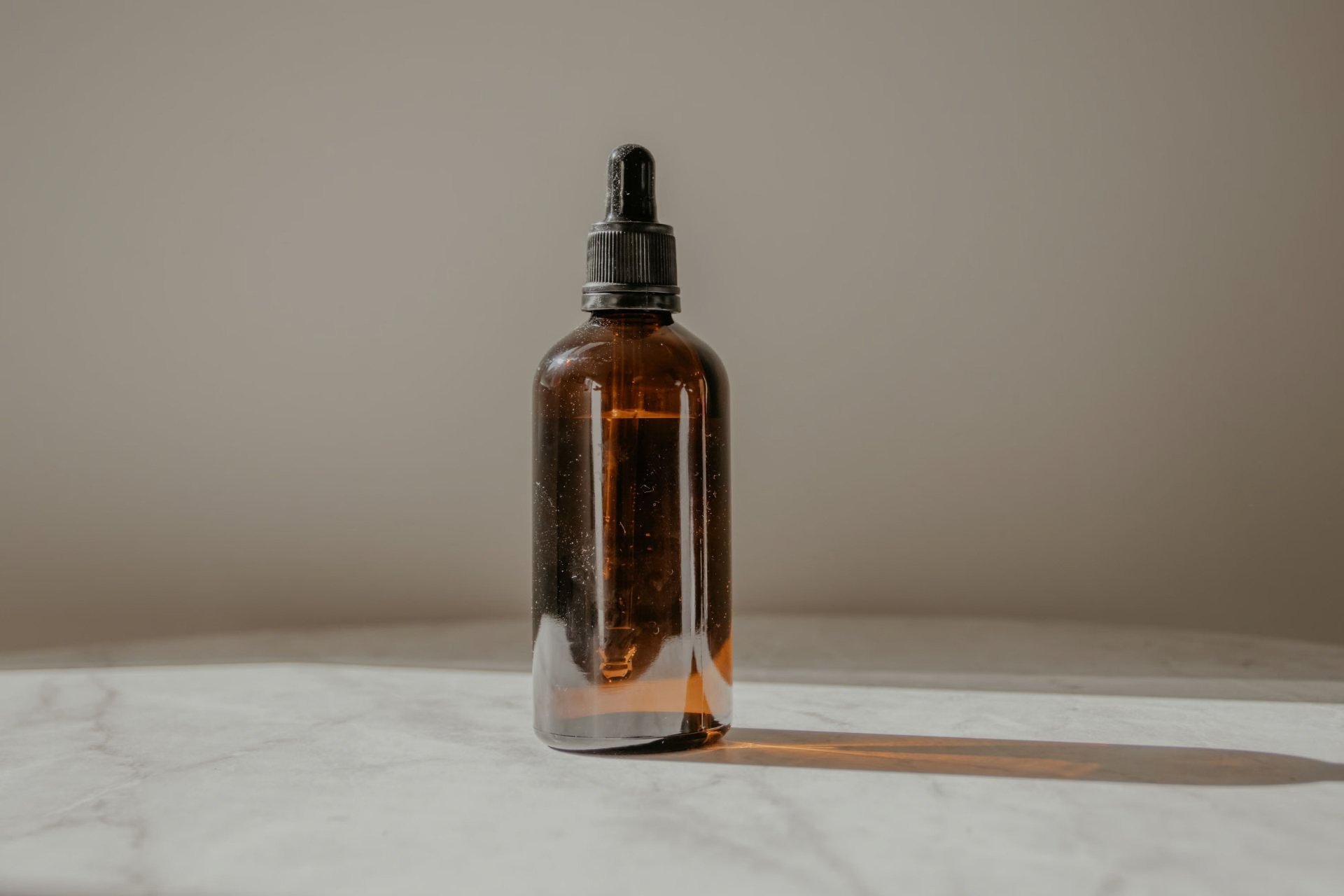
In the event that you begin to see your scalp becoming drier throughout the colder time of year, you'll profit from utilizing oil medicines to reestablish dampness. You can nourish your hair and scalp with a variety of oils, but coconut oil seems to be the most popular. You'll should simply knead the oil into your scalp. Research demonstrates the way that a few oils can infiltrate the hair shaft and keep your hair saturated and shielded from harm. Kneading your scalp will likewise assist with helping sound blood flow, which advances hair development.
2. Use products made with natural ingredients for your hair.
Cold weather can cause brittle hair and dry scalp, which can often be made worse by the shampoos and conditioners you use. Silicon, parabens, and allergens found in like manner hair care items can really burden your strands and deteriorate hair harm. Therefore, when you shop for hair care products, look for ones that contain natural ingredients like glycerin, honey, rosemary, and aloe vera. Pick hydrating shampoos and conditioners that guard against natural harm.
3. Use heat tools sparingly because your hair is already too fragile during the winter.
Your hair will lose all of its moisture when you blow dry it or style it with heat. Research shows this is a certain method for getting hair breakage and divided closes. So it's ideal to restrict the utilization of intensity styling devices however much as could reasonably be expected. If you have to use these tools on your hair, use a heat-protection serum and medium heat instead of the highest setting.
4. Wear a cap
Your hair typically feels exceptionally fragile when presented to the chilly climate. Extreme weather, which can weaken and break your hair, can be protected from by wrapping your hair in a scarf or hat. But it's important to make sure the hat is made of fabric that lets your skin breathe and isn't too tight. Hair static can be made worse by harsh fabrics like cotton.
5. Avoid taking a shower that is too hot
On chilly mornings, it can be tempting to take a shower that is too hot. However, it may not be the best option for your hair every time. Utilizing boiling water isn't great for the hair or scalp and could again strip your hair of its normal oils. Therefore, it is always preferable to wash your hair with warm water and reduce the heat. And if you can, rinse your hair with cold water at the very end; it will assist with fixing the fingernail skin.
6. Apply a week after week profound conditioner
On the off chance that you're generally occupied, odds are you simply storm out of the shower after you cleanser your hair and miss the vital stage of applying a profound conditioner a while later. During the chilly winter months, a deep conditioner gives the hair exactly what it needs. It contains more focused fixings that enter each strand with dampness and supplements. just let the conditioner sit for 15 to 30 minutes and afterward give your hair an exhaustive wash.
What happens to your hair when it's cold?
Cold weather can really hurt your hair. Here are a few different ways a decrease in temperature can influence your hair:
1. Dry hair
The air also becomes drier as the temperature drops. Your scalp and hair are dehydrated as a result of the lack of humidity. Dandruff, a flaky scalp, and frizzy hair are typically the outcomes.
2. A rise in hair loss
It's critical to take note of that chilly climate doesn't straightforwardly cause balding. Yet, assuming that you see more hair dropping out in the colder time of year, it's predominantly in light of the fact that the dry air outside sucks out dampness from your hair and scalp and makes it dry. Without hydration, your hair becomes weak and delicate. As a result, its chances of breaking and falling out increase.
3. Static
Typically, static hair grows more during the colder months. Static is the electric charge in your hair that is frequently produced by the dry air. You may be aware that static hair adores nothing more than to adhere to clothing or skin, which is unattractive.
4. Dull hair
The absence of dampness on your hair and scalp can likewise leave it looking dull. Since your hair becomes drier because of the chilly climate, your standard gleaming strands will battle to sparkle.
5. Divide ends.
Split ends are another common effect of winter weather. All that dryness can make hair brittle and easy to break and split.
Hair Products to add to your hair care routine in winter
Your hair needs you to show it loads of adoration and additional consideration throughout the colder time of year. Winter is a great time to make adjustments to your hair care routine to prevent beautiful hair from being damaged by the cold. The best winter hair care routine is as follows:
- Pre-crap oil. This is the absolute initial phase in battling dry winter hair, and it truly has a tremendous effect. The best oil to utilize is either coconut or almond oil. It should be applied to dry hair approximately an hour before you plan to get in the shower.
- Shampoo. Continuously pick a delicate and hydrating cleanser throughout the colder time of year. Use a shampoo that works best for your hair type.
- Conditioner. After you flush the cleanser, apply a conditioner to soggy hair. Rinse your hair after using the product for ten minutes.
- Hair cover. You ought to profound condition your hair with a hair cover. This is very different from a regular conditioner, and it gives your hair more moisture.
- Hair cream. A hair serum nourishes and hydrates your hair in addition to detangling it. This causes your hair to feel amazing areas of strength for and.
- Shaving cream. You are aware that excessive washing, particularly during the winter, can deplete your hair's natural oils. Try a dry shampoo the next time you feel like your hair needs a refresh instead of being washed. You'll get new hair without drying out it.
Taking care of your hair and scalp is important all year long, but in the winter, when temperatures drop, it's even more important. Winter weather conditions causes bothersome and flaky scalps as well as dry and fragile hair. In any case, integrating some simple yet viable hair care ventures into your routine can have a major effect in the general strength of your hair and appearance. You can use some of the suggestions above to keep your hair healthy and shining throughout the winter.
FAQ
- Is it good to oil your hair in the winter?
Absolutely! Oiling your hair and scalp is much more useful in the virus season to forestall dry hair and reestablish dampness. However, it's best not to leave oil on your scalp for too long if you have dandruff.
- Does the wintertime dehydrate hair?
Indeed, your hair loses dampness all the more rapidly in the virus air and because of indoor warming. Consequently, focusing on hydrating your hair is crucial.
- Is wearing a hat harmful to one's hair?
No, hair loss is not directly caused by wearing a hat on its own. Hair loss is caused by hormones, genetics, lifestyle, and overall health.