Top 10 beaches in Canada
-
 Loading...
 - Daniella Chapman
- 26 May 2022
- 287 Views
- 0 Like
- 0 Comment
Depending on where you are, the incoming tide won’t necessarily destroy your sandcastles. With only six of Canada’s 13 provinces and territories enjoying ice-free access to open ocean, many of the nation’s sandiest beaches abut large freshwater lakes.
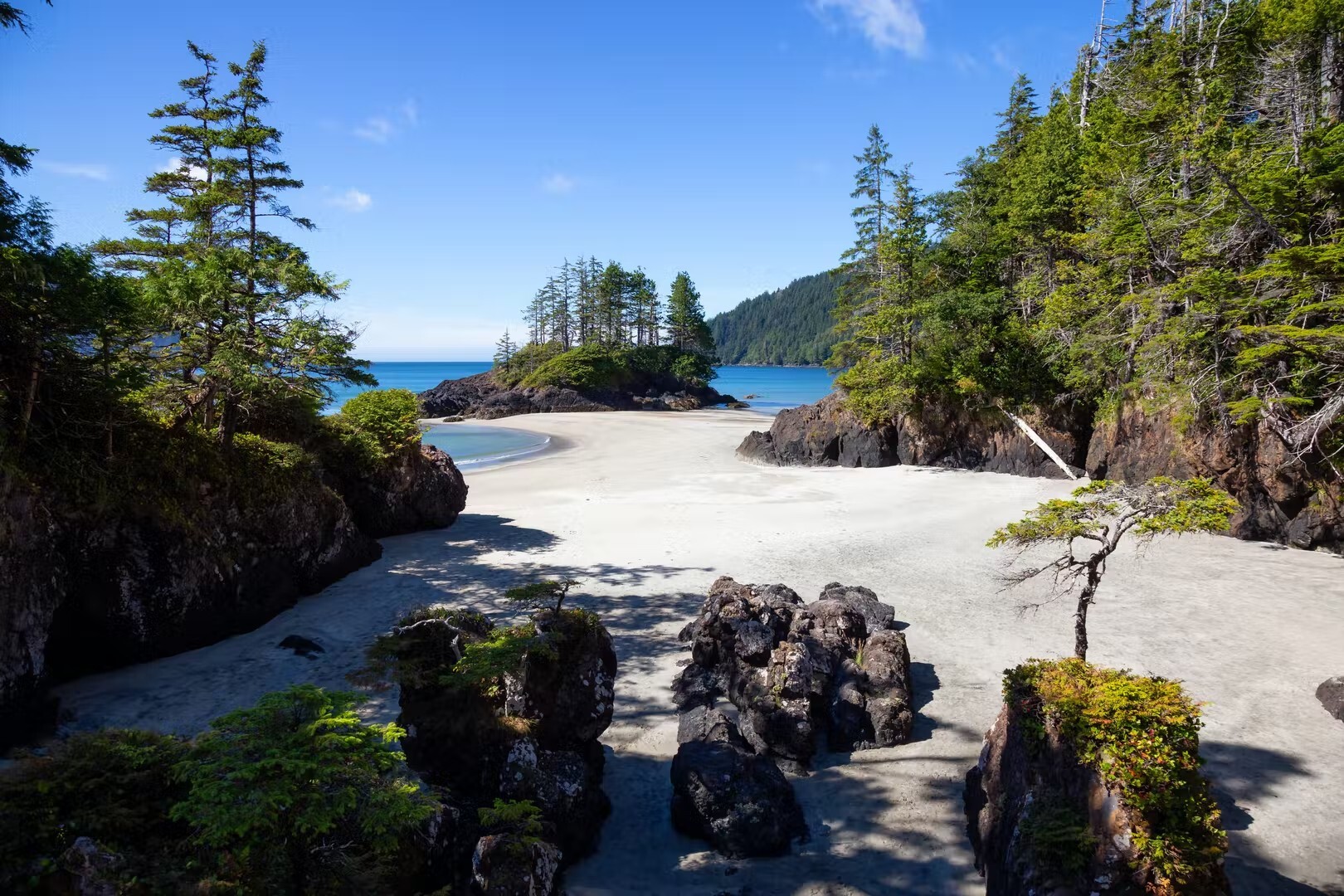
San Josef Bay, British Columbia
Best wilderness beach
With a reputation for tempestuous weather and tricky access, northern Vancouver Island excels in wild lonesome beaches. The 1.6-mile (2.5km) trail to San Josef Bay starts at the end of a 43-mile (70km) unpaved logging road from Port Hardy.
When the forest finally parts, you’ll be delivered onto a windswept expanse of crashing surf and forested sea stacks where bushes and trees have been contorted by fierce Pacific storms. Bring a tent and binoculars. You can camp right on the smooth sandy beach and the "bins" will enhance your appreciation of the resident wildlife including eagles and ospreys.

Stanhope Beach, Prince Edward Island
Best beach for avoiding the crowds
The huge, dune-rimmed beach at Stanhope on the north shore of Prince Edward Island sees far fewer tourists than its immediate neighbors. For a quiet ramble, free of bustle and bounding dogs, head to the boardwalk that traverses the park's marram-grass dunes, an important nesting site for the piping plover.
Continue west and you’ll encounter the Covehead Harbour Lighthouse, a white clapboard structure that exudes a diminutive PEI charm. Track east, and you’ll end up at Dalvay by The Sea, a handsome Queen Anne revival style hotel built in 1895.
Wasaga Beach, Ontario
Best beach for swimming
Canada might not plug its beaches like its national parks or cosmopolitan cities, but it can legitimately claim to possess the longest freshwater beach in the world. Wasaga Beach, in the Ontario town of the same name, is a 8.7-mile-long (14km) expanse of soft sand that kisses the shores of Georgian Bay in Lake Huron. This is the closest full-fledged beach resort to Toronto and thousands of visitors pile in every summer when the elongated strip can get rowdy.
Notwithstanding, the beach is part of a provincial park meaning it’s equipped with trails, park naturalists and opportunities to spot owls and woodpeckers. The well-used sand is split into six zones. Areas one and two are the most heavily trafficked, five is best for families, six suits social distancers. All have warm, shallow water that’s safe for swimming.
Chesterman Beach, British Columbia
Best beach for surfing
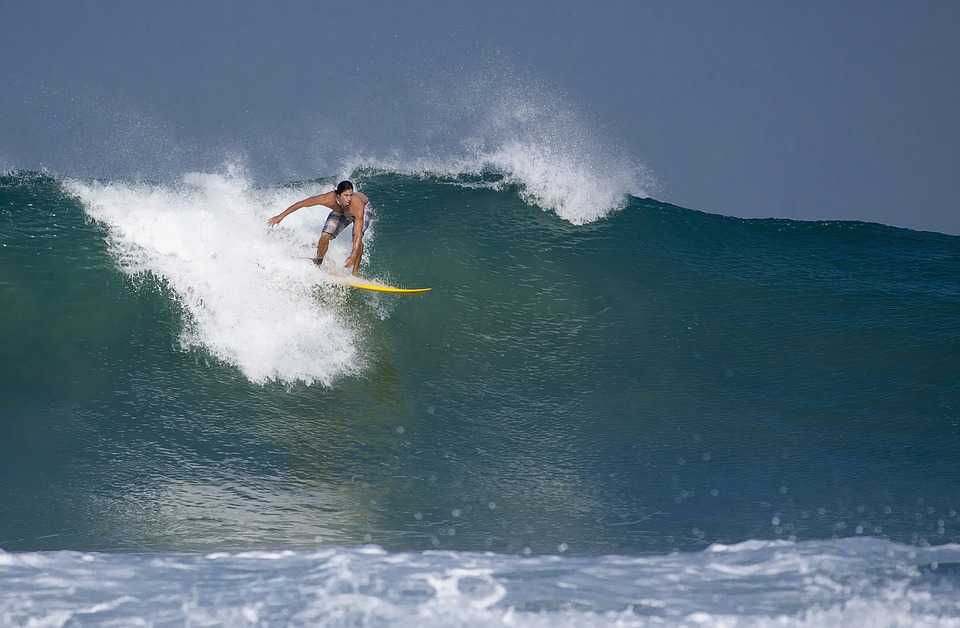
Choosing your favorite beach in Canada’s surfing capital, Tofino, is like choosing your favorite deluxe sports car. They’re all ridiculously good. Most surveys list Long Beach at No. 1 because it’s, well, long; but many Tofitians (locals) rank the surfer’s hub of Chesterman as the most complete scimitar of sand.
Unlike Long Beach, Chesterman is close enough to town to reach by bike (with your surfboard clipped to a special bike-rack) and firm enough to cycle on if you need some leg exercise before cresting the Pacific waves. Ringed by rock-pools, islets and a narrow sand spit, it’s beautiful in both early morning mist and fiery orange-ripple sunset. The surfing, of course, is sublime.
Parlee Beach, New Brunswick
Best beach for families
With the warmest sea water in Canada and International Blue Flag certification proclaiming its safety, accessibility, and environmental credentials, Parlee is far and away New Brunswick’s finest ribbon of sand. The beach is soft and golden and the water shallow and positively balmy. In high summer, lifeguards patrol at all hours making it a favorite among families.
Commercialization is kept to a minimum with grassy dunes buffering a manicured strip of showers, change rooms, and poutine-plying eating joints. Locals in the know, save their appetites for the nearby lobster capital of Shediac. The Beach Boys once played a concert at Parlee adding to the beach’s carefree rock n roll spirit. Read More…