Top 10 Do's and Don'ts – Backing Vocalists

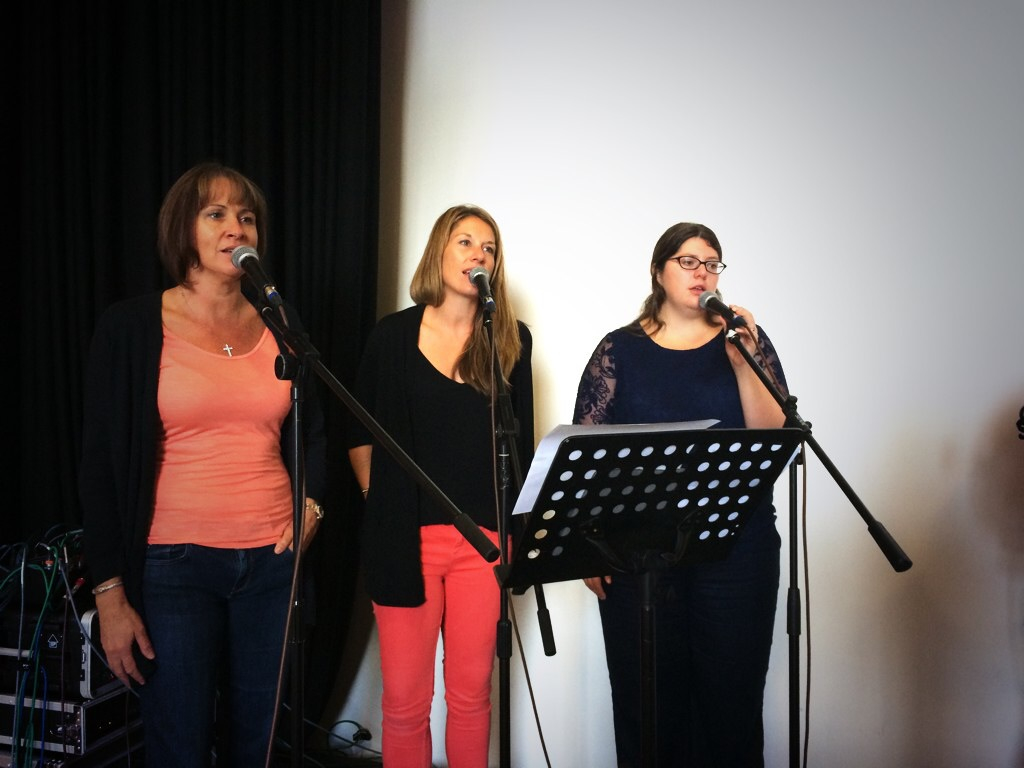
Tips for praise team backing vocalists
You just turn up, stand in front of the mic and sing. There’s tuning, no adjusting the sound, it’s just you and your voice.
Sounds simple enough – there’s no kit to carry – and if you are blessed with a decent voice, you’re good to go.
But it’s not that simple is it? Yours is a support role for the star of the show, the worship leader, and in many respects you have to make him or her look good. It’s the ultimate act of humility, which means your job is the most difficult of all. It seems like a thankless task but what you do is extremely valuable because you have the same instrument as the congregation. If you get it wrong everyone notices but if a bass player or a guitarist gets it wrong, only bass players and guitarists in the congregation notice.
So here’s a guide to help you become even more unnoticeable. We know, it’s a hard life…
1 Don’t… miss cues
Getting ‘lost’ in worship is to be encouraged. The spirit guides you and there’s nothing quite like singing with a passion and a heart that’ll connect you with God. It’s a powerful thing. However, you must remember that you have been chosen to do a job and that job is to serve the congregation with your voice. Service is the most powerful part of worship and if God has been good enough to bless you with the voice of an angel it’s your responsibility to use it responsibly. Missing cues suggests that you don’t really care about leading the congregation and helping the worship leader do his or her job. Be helpful, pay attention and be professional.
2 Don’t… lengthen every note
This is the backing vocalist’s equivalent of a guitar solo. The lengthened note is symptomatic of a backing vocalist who wants to be noticed – a sort of ‘look at me, ain’t I a beautiful singer’ cry for help. A backing vocalist who does this regularly is monumentally annoying. The lengthened note sounds like an attempt to upstage the worship leader, particularly if the worship leader doesn’t have a fantastic voice. Don’t do this: keep true to the melody and if the chart says it wants crotchet at the end of the line don’t stick a semi-breve in there.
3 Don’t… overuse vibrato
Use vibrato when it’s appropriate: if you keep plundering this technique you can sound like Rolf Harris’s wobbleboard. A singer who understands vibrato is manna from heaven –he or she can use it to great effect and its power can be overwhelming. There is a caveat though: on the more tender songs it just sounds try hard particularly if the vocalist has a technique that makes them look like Shirley Bassey. Jazzy types who have been watching too many Cleo Laine videos can be off-putting too. Read More...