Top 5 African Countries Most Affected by Hunger
-
 Loading...
 - Princewill Okocha
- 10 Jan 2025
- 46 Views
- 0 Like
- 0 Comment
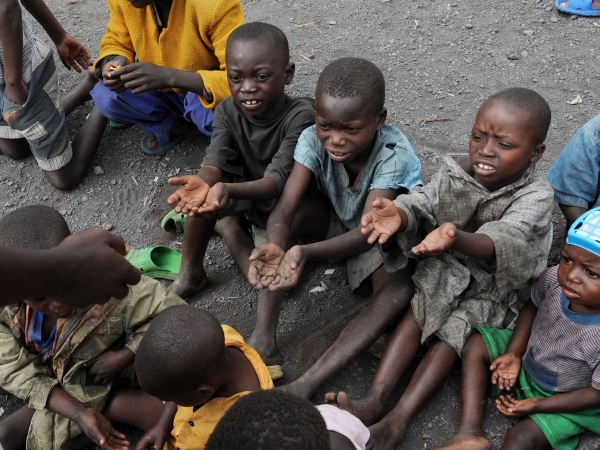
Hunger and food insecurity are pressing issues in many African countries, exacerbated by factors such as conflict, climate change, economic instability, and weak agricultural systems. According to the March 2024 Cadre Harmonisé food security report by the Permanent Inter-State Committee for Drought Control in the Sahel (CILSS), nearly 55 million people in West and Central Africa are expected to face severe food shortages during the June to August 2024 lean season. This alarming statistic highlights the urgent need for intervention and support. Here are the top five African countries most affected by hunger:
5. Niger
Hunger Index Score: 34.1 Niger is grappling with severe hunger due to its rapidly growing population, political instability, and climate challenges. The increasing demand for food, coupled with limited resources, has created a precarious situation. Erratic rainfall and desertification have significantly reduced food production, while armed insurgencies along its borders have displaced communities and disrupted farming activities. In 2024, over 4.3 million people in Niger are at risk of hunger.
4. Democratic Republic of Congo (DRC)
Hunger Index Score: 34.9 (Alarming) The Democratic Republic of Congo is facing one of the largest hunger crises globally, driven by conflict, poverty, and weak agricultural systems. Violence in the eastern regions has displaced millions, disrupting farming and food distribution networks. Economic instability, characterized by high inflation and unemployment, has made food unaffordable for many. Despite having fertile land, the DRC's agricultural sector remains underdeveloped due to a lack of investment. Approximately 26.4 million people in the DRC are experiencing hunger.
3. Madagascar
Hunger Index Score: 36.3 Madagascar is severely impacted by food insecurity, primarily due to climate change. The country has faced devastating droughts and cyclones, particularly in the southern regions. This area is currently experiencing its worst drought in decades, referred to as a “climate famine.” Widespread poverty hampers recovery efforts from crop losses and makes it difficult for families to purchase food. Chronic malnutrition affects nearly half of the children in Madagascar, stunting their growth and development. In 2024, over 1.5 million people are hungry in Madagascar.
2. Chad
Hunger Index Score: 36.4 Chad ranks as the second most affected country by hunger. The combination of a weak agricultural system, political instability, and harsh climatic conditions severely limits food access. Unpredictable rainfall and desertification have diminished crop production, while conflicts in neighboring countries have led to an influx of refugees, further straining Chad's resources. Poor infrastructure, including inadequate roads, complicates food delivery and aid distribution. Approximately 4.7 million people in Chad are facing hunger.
1. Somalia
Hunger Index Score: 44.1 Somalia is the most affected country in Africa when it comes to hunger. The nation suffers from long-term conflict, extreme weather conditions such as droughts and floods, and weak government support. Ongoing conflicts disrupt farming and food distribution, while armed groups hinder access to essential resources. Frequent droughts devastate crops and decimate livestock, leaving millions struggling to survive. Nearly half of Somalia’s population relies on food aid to meet their basic needs.
The hunger crisis in these African countries underscores the urgent need for comprehensive strategies to address the root causes of food insecurity. Factors such as conflict resolution, climate adaptation, and investment in agricultural infrastructure are crucial to improving food access and ensuring the well-being of millions. As the situation continues to evolve, it is imperative for governments, NGOs, and the international community to collaborate and implement effective solutions to combat hunger and support affected populations.