Top 5 Methods to Detect Hydrogen Sulfide in the Air

Hydrogen sulfide (H₂S) is a colorless gas known for its distinct rotten egg smell. While it occurs naturally in various environments, high concentrations can pose significant health and safety risks. Conducting a Hydrogen Sulphide test is crucial to ensure the air quality in industrial, residential, and environmental settings. Here are the top five methods to detect hydrogen sulfide in the air.
Hydrogen sulfide (H₂S) is a colorless gas known for its distinct rotten egg smell. While it occurs naturally in various environments, high concentrations can pose significant health and safety risks. Conducting a Hydrogen Sulphide test is crucial to ensure the air quality in industrial, residential, and environmental settings. Here are the top five methods to detect hydrogen sulfide in the air.
- Electrochemical Sensors
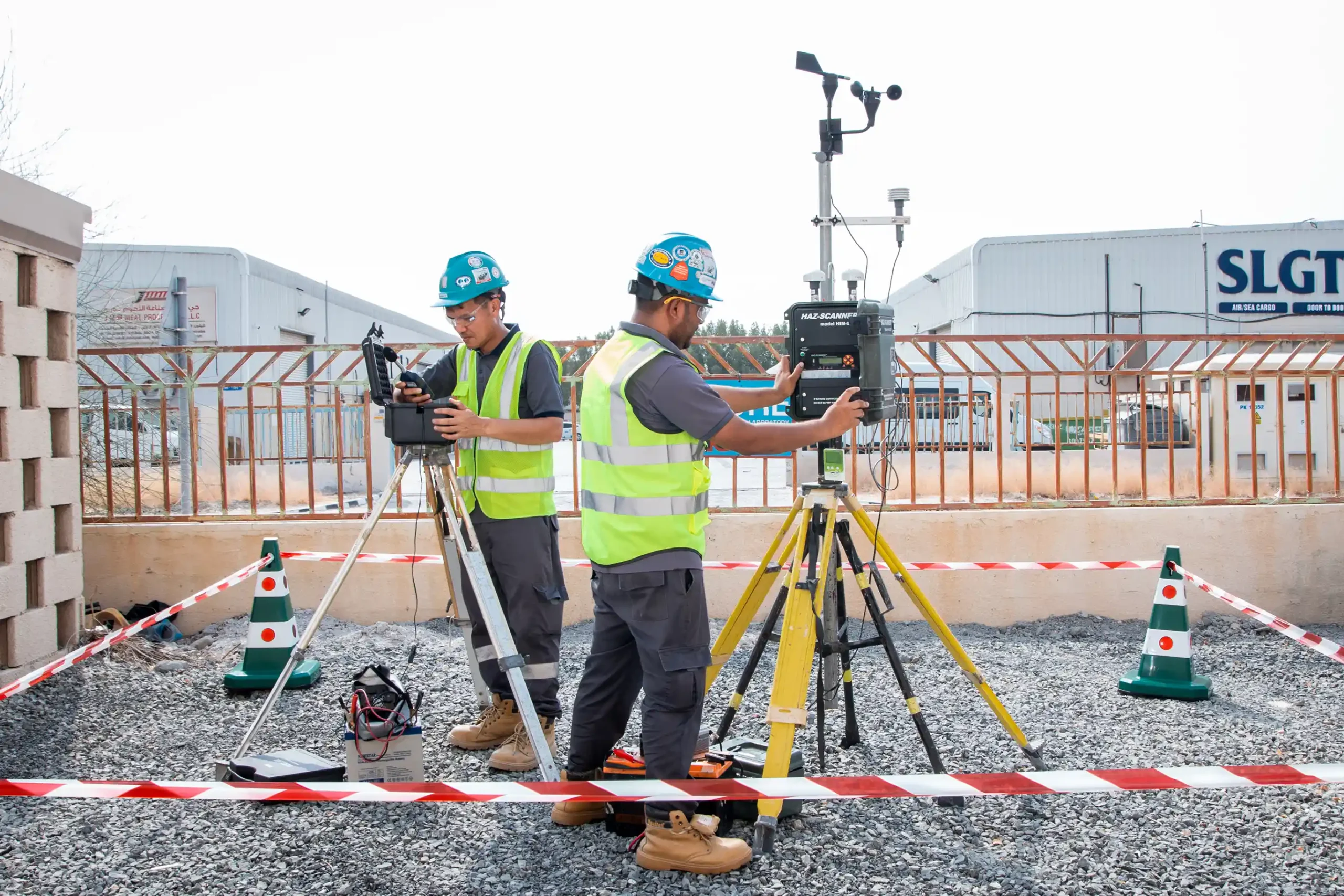
Electrochemical sensors are among the most widely used tools for detecting hydrogen sulfide. These sensors measure the concentration of H₂S through chemical reactions that generate an electrical signal. They are highly sensitive, portable, and ideal for real-time monitoring. Commonly used in industrial workplaces, these sensors ensure compliance with occupational safety standards.
Advantages:
- High sensitivity and accuracy
- Compact and portable design
- Suitable for continuous monitoring
Applications:
- Oil and gas industries
- Wastewater treatment plants
- Colorimetric Tubes
Colorimetric tubes offer a quick and cost-effective way to perform a Hydrogen Sulphide test. These glass tubes contain a reagent that changes color when exposed to H₂S. The intensity of the color change corresponds to the gas concentration, providing a semi-quantitative result.
Advantages:
- Easy to use
- No need for complex equipment
- Affordable for occasional testing
Applications:
- Field inspections
- Emergency response scenarios
- Photoionization Detectors (PIDs)
Photoionization detectors use ultraviolet light to ionize gas molecules, including hydrogen sulfide. The resulting ions are measured to determine the concentration of H₂S in the air. While PIDs are versatile and detect a wide range of volatile organic compounds (VOCs), they are also effective for detecting H₂S at low levels.
Advantages:
- Detects low concentrations
- Provides rapid results
- Multipurpose for various gases
Applications:
- Environmental monitoring
- Industrial hygiene
- Flame Photometric Detectors (FPDs)
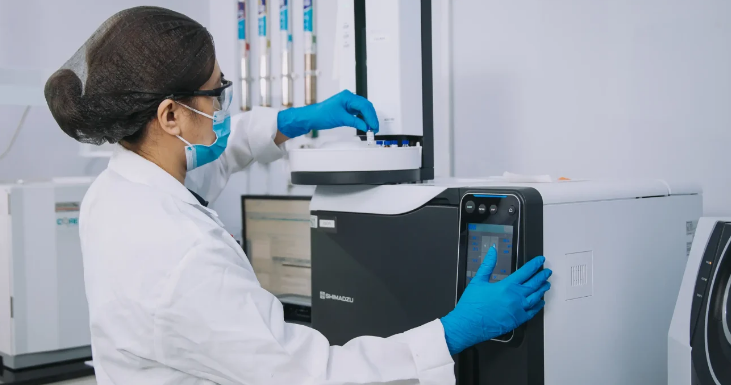
Flame photometric detectors are highly specialized instruments used for detecting sulfur compounds like hydrogen sulfide. These devices burn the gas sample in a flame, producing light emissions that are proportional to the H₂S concentration. While highly accurate, FPDs are typically used in laboratory settings rather than field applications.
Advantages:
- High precision
- Ideal for laboratory analysis
Applications:
- Research and development
- Gas chromatography studies
- Infrared (IR) Spectroscopy
Infrared spectroscopy is a non-invasive method for detecting hydrogen sulfide. This technique measures the absorption of infrared light by H₂S molecules, providing accurate quantitative results. Advanced IR sensors are now available for field use, making this method more accessible.
Advantages:
- Non-destructive testing
- High accuracy
- Suitable for continuous monitoring
Applications:
- Environmental air quality monitoring
- Industrial emissions control
Why Regular Hydrogen Sulphide Testing is Essential
Performing a Hydrogen Sulphide test is critical to maintaining safety and compliance. Prolonged exposure to H₂S can lead to severe health issues, including respiratory problems and even fatalities in high concentrations. Moreover, industries like oil and gas, agriculture, and waste management must adhere to strict regulations to prevent environmental contamination.
By leveraging advanced detection methods, you can ensure that your environment remains safe and compliant with health standards.
Final Thoughts
Hydrogen sulfide detection is an essential component of air quality management. Whether you need a quick field test or precise laboratory analysis, selecting the right detection method depends on your specific requirements. At CoreLab, we offer cutting-edge solutions and expertise to help you conduct accurate Hydrogen Sulphide tests. Contact us today to learn more about our services and how we can assist you in ensuring a safer environment.