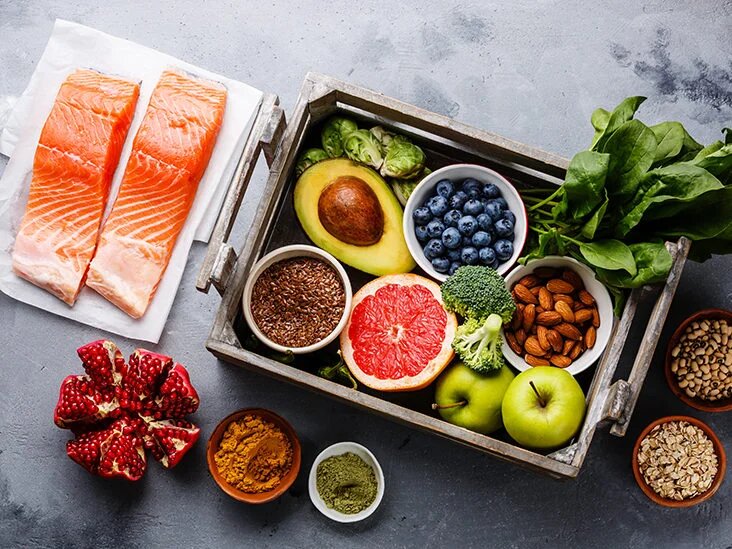
Top 7 Foods Highest in Vitamins: Boost Your Health Naturally
-
 Loading...
 - Estrada Eugenio
- 13 Jun 2023
- 105 Views
- 0 Like
- 0 Comment
When it comes to maintaining good health, ensuring an adequate intake of vitamins is crucial. Vitamins play a vital role in supporting various bodily functions, from promoting strong immune system function to aiding in cell growth and repair. While supplements can be an option, obtaining vitamins from natural food sources is always recommended. In this article, we will explore the top 7 foods highest in vitamins, providing you with valuable insights on how to enhance your well-being through a balanced and nutrient-rich diet.
1. Citrus Fruits: Bursting with Vitamin C

Citrus fruits like oranges, lemons, and grapefruits are not only refreshing but also packed with immune-boosting Vitamin C. This essential vitamin acts as an antioxidant, protecting the body against damage caused by harmful free radicals. Including citrus fruits in your diet can contribute to improved collagen production, healthy skin, and better absorption of iron from plant-based sources.
2. Leafy Green Vegetables: A Nutritional Powerhouse

Leafy green vegetables such as spinach, kale, and Swiss chard are rich in several vitamins, including Vitamin K, Vitamin A, and folate. Vitamin K is essential for blood clotting and bone health, while Vitamin A promotes healthy vision and immune function. Additionally, folate plays a crucial role in supporting cell growth and development, making leafy greens a must-have in your diet.
3. Berries: A Colorful Antioxidant Boost

Berries, including blueberries, strawberries, and raspberries, are not only delicious but also a fantastic source of vitamins and antioxidants. These vibrant fruits are loaded with Vitamin C and other potent antioxidants that help fight oxidative stress and reduce the risk of chronic diseases. Incorporating berries into your meals or enjoying them as a snack can contribute to a healthier you.
4. Nuts and Seeds: A Nutrient-Dense Snack
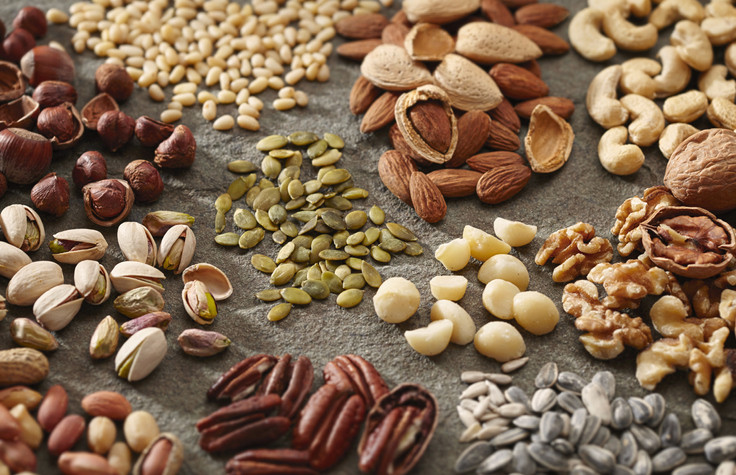
Nuts and seeds, such as almonds, walnuts, chia seeds, and flaxseeds, are packed with essential vitamins and minerals. They provide a healthy dose of Vitamin E, which acts as an antioxidant and supports skin health. Additionally, nuts and seeds contain B vitamins, such as niacin and folate, which are involved in energy production and DNA synthesis.
5. Fish: Rich in Omega-3 Fatty Acids and Vitamin D

Fatty fish, including salmon, mackerel, and sardines, are not only a great source of Omega-3 fatty acids but also Vitamin D. Omega-3 fatty acids are known for their anti-inflammatory properties and are beneficial for heart health. Vitamin D is essential for calcium absorption, bone health, and immune function. Including fatty fish in your diet, twice a week can provide you with a substantial amount of these essential nutrients.
6. Dairy Products: Calcium and Vitamin B12

Dairy products like milk, yogurt, and cheese are excellent sources of calcium, a mineral crucial for maintaining strong bones and teeth. Moreover, dairy products also contain Vitamin B12, which is essential for nerve function and the production of red blood cells. However, if you are lactose intolerant or follow a vegan diet, you can opt for fortified plant-based alternatives like almond milk or soy milk.
7. Sweet Potatoes: A Vitamin-Rich Starch
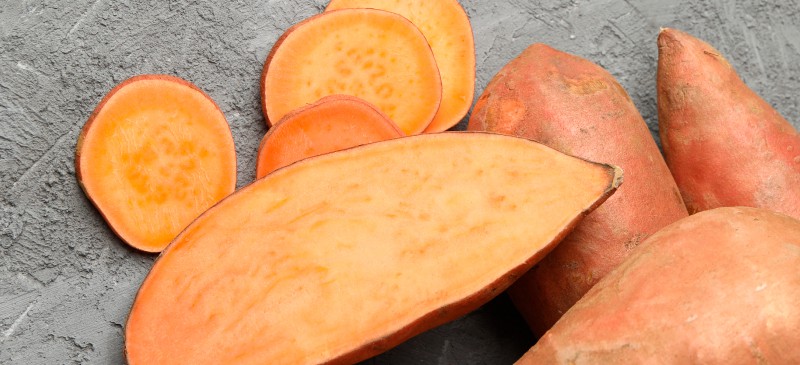
Sweet potatoes are not only delicious but also a great source of vitamins and minerals. They are particularly high in Vitamin A, which supports eye health and immune function. Additionally, sweet potatoes contain Vitamin C and several B vitamins, contributing to their nutritional value. Including sweet potatoes in your diet can add a healthy twist to your meals while providing you with essential vitamins.
Frequently Asked Questions
1. Which vitamins are crucial for immune function?
Vitamins that play a crucial role in supporting immune function include Vitamin C, Vitamin D, and Zinc. Vitamin C helps boost the production of white blood cells, which are vital for fighting infections. Vitamin D plays a role in regulating immune responses, while Zinc is involved in various immune system processes.
2. Can I get all the necessary vitamins from food alone?
In most cases, a well-balanced diet can provide you with the necessary vitamins for optimal health. However, certain individuals, such as pregnant women, older adults, or those with specific medical conditions, may require supplements or fortified foods to meet their nutrient needs. It's best to consult with a healthcare professional or registered dietitian for personalized guidance.
3. Are vitamins more effective when obtained from food or supplements?
While supplements can be beneficial for individuals with specific deficiencies, obtaining vitamins from natural food sources is generally preferred. Whole foods provide a variety of nutrients and phytochemicals that work synergistically to support overall health. Additionally, the absorption and utilization of vitamins from food are often more efficient compared to supplements.
4. Can excessive vitamin intake be harmful?
Yes, consuming excessive amounts of certain vitamins can have adverse effects. Fat-soluble vitamins, such as vitamins A, D, E, and K, can accumulate in the body and cause toxicity if taken in large doses. Water-soluble vitamins, such as Vitamin C and B vitamins, are generally safe in high doses as they are excreted through urine. However, it's important to follow recommended dietary guidelines and avoid megadoses of any vitamin without medical supervision.