Tough treatment in Ivory Coast schools, expelling 'losers' to boost grades
-
 Loading...
 - Shirley Sarfo
- 19 Sep 2024
- 64 Views
- 0 Like
- 0 Comment
As the new school year begins in Ivory Coast, students are facing a daunting challenge: those with average grades below 8.5 out of 10 will be excluded from pursuing their studies at the end of the year. This measure, reinstated by the authorities, aims to raise the general standard of education in the country. However, it has sparked mixed reactions among students, parents, and educators.
While some students, like Djenebou and Seydou, see the measure as a positive incentive to work harder, others are concerned that it may lead to students being blackmailed by teachers for good grades. The minister of national education, Mariatou Kone, defends the regulation, stating that it will encourage students to work and fight against mediocrity. However, critics argue that the measure is too drastic and may push students towards delinquency.
Mariam Eid, a mother of three, expresses her concerns about the potential consequences of the measure. "What are we going to do with the students who will be excluded? It's too drastic! We're going to turn them into bandits. We want the teaching to be up to par, but one step at a time." Her concerns are echoed by others who worry about the impact on students who may not have the necessary support or resources to succeed.
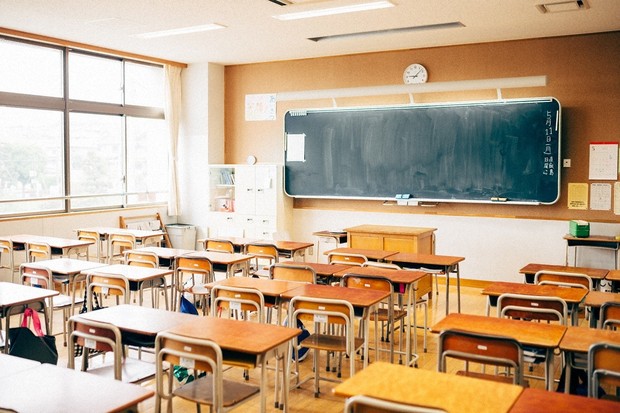
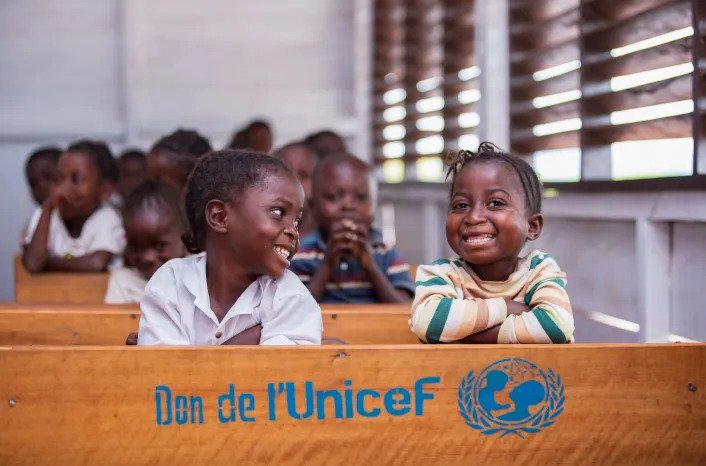
The Ivorian education system is facing numerous challenges, including overcrowded classrooms, a lack of teachers, and inadequate resources. The "measure of averages" may not be enough to address these underlying issues. As a teacher from Bouake points out, "students regularly rise up to denounce the lack of classrooms and desks." The government's recent announcement of free textbooks and classroom supplies is a step in the right direction, but more needs to be done to address the systemic problems.
The lack of resources is a major concern, with many schools struggling to provide even the most basic necessities. Officially, Ivorian state schools are free, but the price of uniforms, satchels, and supplies can quickly put a strain on the family budget -- not to mention illegal registration fees sometimes requested by certain establishments. This can lead to a situation where students from low-income households are at a disadvantage, making it even harder for them to succeed.
The minister of national education emphasizes that students who don't meet the grade requirements will not be barred from the school system, but will instead be redirected to vocational training or technical education. This approach is supported by Claude Kadio Aka, president of the Organization of the Parents of Pupils and Students in Ivory Coast (Opeeci), who stresses that "all our children are useful in the development of the country."
Vocational training and technical education can provide students with valuable skills and knowledge that can help them succeed in the job market. However, it is essential to ensure that these programs are well-funded and well-structured to provide students with the support they need.
The "measure of averages" is just one part of a larger puzzle. To truly improve the education system in Ivory Coast, the government needs to take a comprehensive approach that addresses the underlying issues. This includes increasing funding for education, reducing class sizes, improving teacher training, and providing support for students who are struggling academically.
The government must also work to address the root causes of the problems facing the education system, including poverty, inequality, and lack of access to resources. By taking a holistic approach, the government can create an education system that truly provides opportunities for all students, regardless of their background or circumstances.
The "measure of averages" is a controversial topic, and its impact will be closely watched in the coming months. While it may have some positive effects, such as encouraging students to work harder, it also raises concerns about the potential consequences for students who may not meet the grade requirements.
Ultimately, the future of education in Ivory Coast depends on the government's ability to address the underlying issues and create a system that truly provides opportunities for all students. By working together, the government, educators, and parents can create an education system that is fair, equitable, and provides students with the skills and knowledge they need to succeed.