Traditional Bolivian Clothing
-
 Loading...
 - Helena Boyle
- 05 Sep 2024
- 82 Views
- 0 Like
- 0 Comment
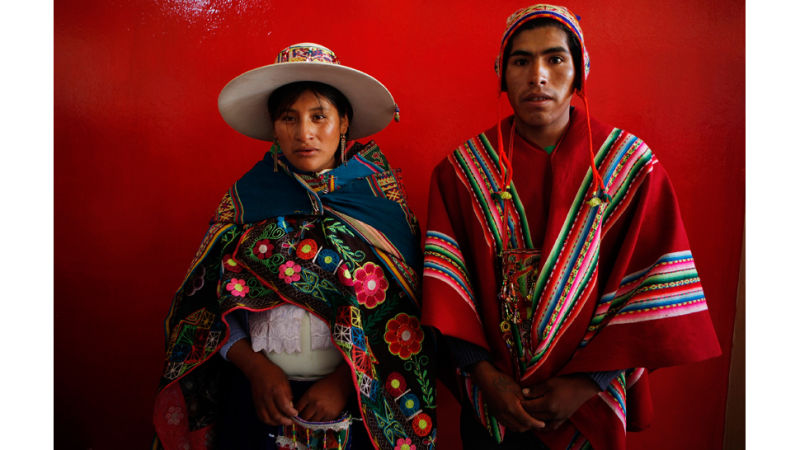
Traditional Bolivian clothing is a stunning reflection of the country's rich cultural heritage, blending indigenous, Spanish, and African influences. The vibrant colors, intricate patterns, and unique designs of Bolivian attire are a testament to the country's diverse history and its people's creativity. Here's a glimpse into the traditional clothing of Bolivia:
Women's Clothing
- Pollera: A traditional Bolivian skirt, the pollera is a colorful, layered skirt that can have up to 10 layers. Each layer represents a different aspect of Bolivian culture, such as the country's history, mythology, or daily life.
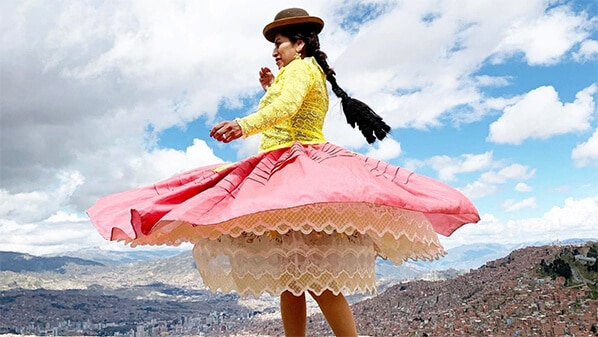
- Blusa: A long-sleeved blouse, often adorned with intricate embroidery, is worn with the pollera.
- Manta: A traditional Bolivian shawl, the manta is worn over the shoulder or as a headscarf. It's often made of wool or cotton and features vibrant colors and patterns.
Men's Clothing
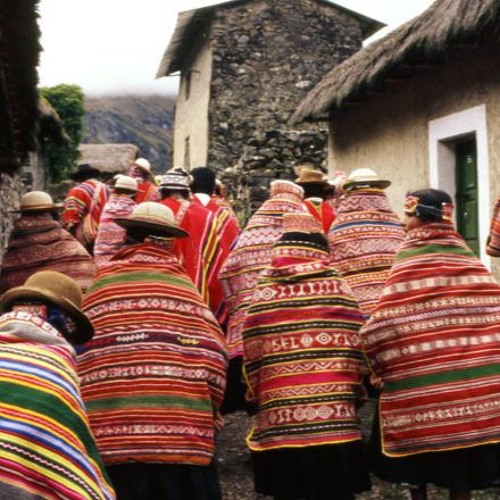
- Poncho: A traditional Bolivian poncho is a colorful, woven garment worn over the shoulder. It's often made of wool or cotton and features geometric patterns.
- Ch'alla: A traditional Bolivian hat, the ch'alla is a felt hat with a wide brim and a high crown. It's often worn by men in rural areas.
- Bombachas: Loose-fitting pants, often made of cotton or wool, are worn by men in traditional Bolivian attire.
Accessories
- Woven Bags: Traditional Bolivian bags, often made of wool or cotton, are woven with vibrant colors and patterns. They're used for carrying daily essentials.
- Silver Jewelry: Bolivian silver jewelry is renowned for its intricate designs and craftsmanship. It's often worn by women as a symbol of cultural identity.
- Textiles: Bolivian textiles are famous for their vibrant colors, intricate patterns, and unique designs. They're often used to create traditional clothing, accessories, and home decor items.
Traditional Bolivian clothing is not only a reflection of the country's cultural heritage but also a testament to its people's creativity, skill, and attention to detail. Each piece of clothing tells a story, and when worn together, they create a stunning visual representation of Bolivian culture.