Trends in Real Estate Prices in Zimbabwe

Real estate has long been seen as a safe and reliable investment in Zimbabwe. However, like any market, it is subject to fluctuations, particularly during periods of economic instability. While property values have generally trended upward, the market has experienced bumps along the way, with long-term ownership typically being more stable and rewarding.
Key Takeaways
Historical Trends: Property prices in Zimbabwe, especially in urban hubs like Harare, have seen substantial growth over recent years. That said, economic downturns have occasionally led to dips in values, testing the long-held belief that real estate is a consistently safe investment.
Market Dynamics: Key factors that influence real estate prices in Zimbabwe include supply and demand, the broader economic climate, and prevailing interest rates. These elements play a pivotal role in shaping both buyer behavior and property values.
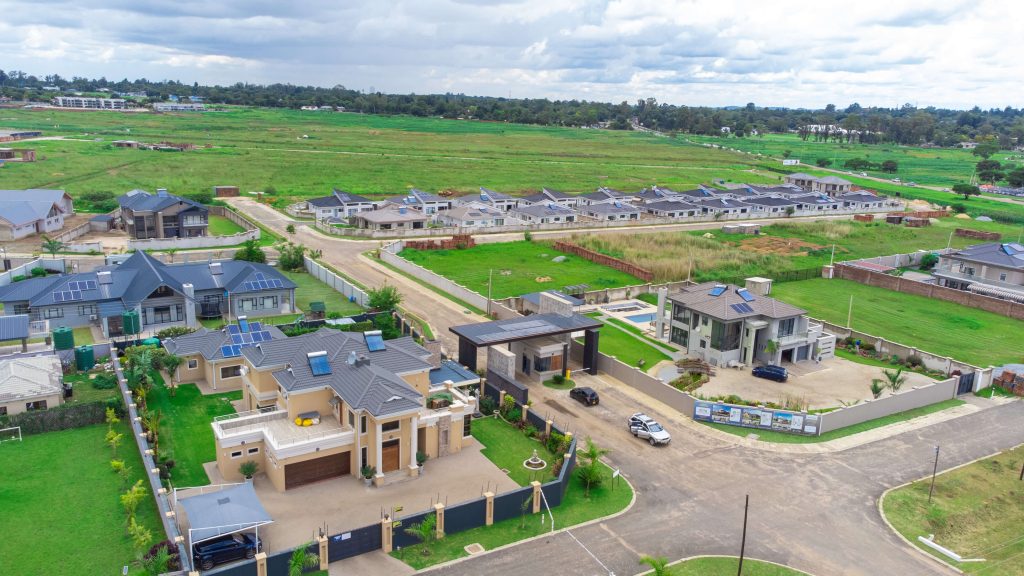
Location Matters: Real estate prices vary dramatically depending on the region or neighborhood. Prime areas like Borrowdale and Highlands in Harare tend to see higher property values compared to other parts of the country.
Investment Considerations: While property investment remains lucrative, potential buyers and investors must factor in rental yields, maintenance costs, and the likelihood of capital gains when evaluating returns on their investments.
Recent Trends
Increased Demand: Zimbabwe’s growing population, coupled with rising incomes, has spurred demand for housing, leading to upward pressure on property prices.
Economic Stability: When Zimbabwe experiences periods of economic stability, investor confidence strengthens, boosting demand for property and, consequently, prices.
Limited Supply: A shortage of available properties, particularly in desirable urban areas, continues to contribute to rising prices, as demand often outpaces supply.
Statistics
Average Price Increases: Between 2023 and 2024, property prices in Harare’s northern suburbs, such as Borrowdale and Mount Pleasant, increased by an average of 15-20%.
Rental Yields: Zimbabwean rental yields have generally remained competitive compared to other investment options, although they can vary depending on location and property type.
Mortgage Rates: Mortgage interest rates have seen significant fluctuations in recent years, which affects affordability for potential homebuyers, making the market challenging for many despite the growing demand.
Conclusion
Zimbabwe’s real estate market presents both opportunities and challenges. While the market has demonstrated growth, particularly in prime urban areas, it is crucial to understand the factors that drive property prices. Investors who adopt a strategic approach, consider long-term ownership, and weigh the economic environment can maximize returns and minimize risks.