Trump Wins Presidency for Second Time, Completing Improbable Comeback
-
 Loading...
 - Eva Reilly
- 06 Nov 2024
- 70 Views
- 0 Like
- 0 Comment
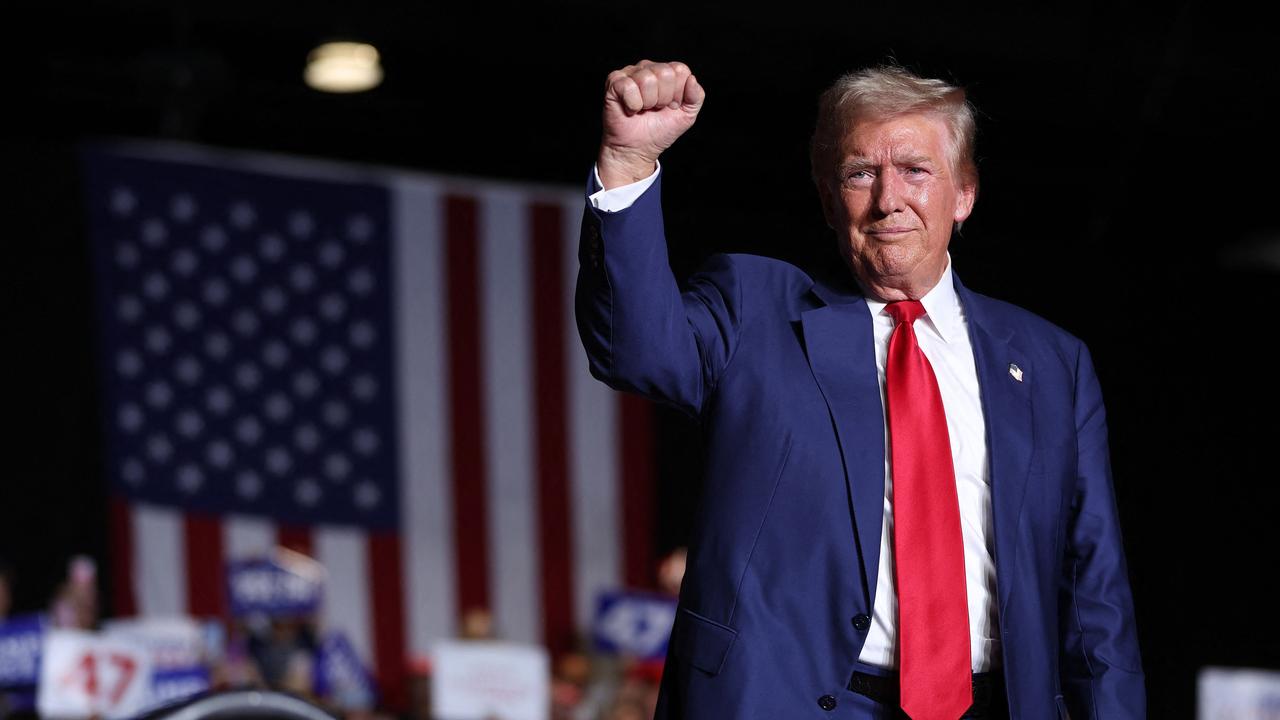
In a stunning political turnaround, former President Donald Trump has been projected to win the presidency for a second time, securing his place in history nearly four years after leaving Washington amid controversy and uncertainty. According to Decision Desk HQ (DDHQ), Trump clinched the necessary 270 electoral votes by winning key states, including Pennsylvania and Alaska, marking a remarkable comeback reminiscent of Grover Cleveland, the only other president to serve two nonconsecutive terms over 120 years ago.
Trump's victory comes in the wake of a tumultuous campaign that included a criminal trial, two assassination attempts against him, and a significant shift in the Democratic ticket after President Joe Biden withdrew from the race. The former president's return to power is a testament to his enduring influence within the Republican Party and the loyalty of his base, despite the numerous challenges he faced during his previous term and the controversies that followed.
The election was characterized by a fierce competition between Trump and Vice President Kamala Harris, with polling in seven key battleground states showing a tight race leading up to Election Day. Ultimately, Trump managed to flip Georgia back into his column, maintain his hold on North Carolina, and dismantle the so-called “blue wall” that had previously favored Democrats. In a notable shift, Trump is projected to have narrowly won the popular vote, a feat he did not achieve in either 2016 or 2020, and which Republicans have only accomplished once since 1992.
Trump's campaign capitalized on widespread voter discontent regarding rising costs, increased migration at the southern border, and perceived instability abroad during the Biden administration. Exit polls indicated that Trump made significant inroads with Latino voters, bolstered his margins in rural areas, and ran nearly even with Harris among young men—a demographic his campaign actively courted. This shift in voter demographics played a crucial role in his electoral success.
In his victory speech, Trump outlined an ambitious agenda, pledging to carry out the largest deportation operation in U.S. history, extend the tax cuts he enacted in 2017, impose universal tariffs on foreign imports, roll back protections for transgender youth, shut down the Education Department, and curb environmental regulations. He also indicated plans to fill his administration with loyalists, signaling a return to the combative and controversial style that characterized his first term.
Despite facing significant challenges, including a substantial deficit with female voters—exacerbated by Harris's focus on abortion rights following the Supreme Court's overturning of Roe v. Wade—Trump managed to rally support from various voter blocs. His ability to connect with voters on issues that resonated deeply, such as economic concerns and immigration, proved pivotal in his comeback.
Trump's path to victory was not without its obstacles. After losing the 2020 election, he spent weeks promoting unfounded claims of widespread voter fraud, culminating in the violent January 6 Capitol riot, which sought to disrupt the certification of Biden's victory. His subsequent legal troubles, including multiple indictments in 2023, raised questions about his viability as a candidate. However, he emerged from these challenges with a loyal base that remained steadfast in their support.
The political landscape has shifted dramatically since Trump left office, with Senate Republicans regaining a majority, potentially allowing him to strengthen the conservative grip on the Supreme Court. This election marks a significant moment for the GOP, as Trump’s return could further reshape the party in his image, especially with Senate Majority Leader Mitch McConnell's tenure coming to an end.
As the election unfolded, many political analysts and pundits had prematurely declared Trump politically dead, particularly after his tumultuous exit from the White House. However, he defied expectations by securing the GOP nomination and gaining momentum in the polls, especially after surviving an assassination attempt in July. His campaign strategy, which included partnering with outside groups to reach voters in battleground states, proved effective against the more established infrastructure of the Harris campaign.
At 78, Trump becomes the oldest person in U.S. history to be elected president, slightly older than Biden was in 2020. Despite previously stating he would have no problem releasing detailed medical records, he has declined to do so, raising questions about his health as he embarks on this new term.
As Trump prepares to take office again, he will be limited by the 22nd Amendment, which prohibits him from seeking reelection in 2028. Nevertheless, his return to the presidency marks a significant chapter in American political history, one that will undoubtedly shape the future of the Republican Party and the nation as a whole. The implications of his victory will be felt across the political spectrum, as both supporters and opponents brace for the challenges and changes that lie ahead.