Tunisia’s Saied Sets Presidential Election Date for October 6

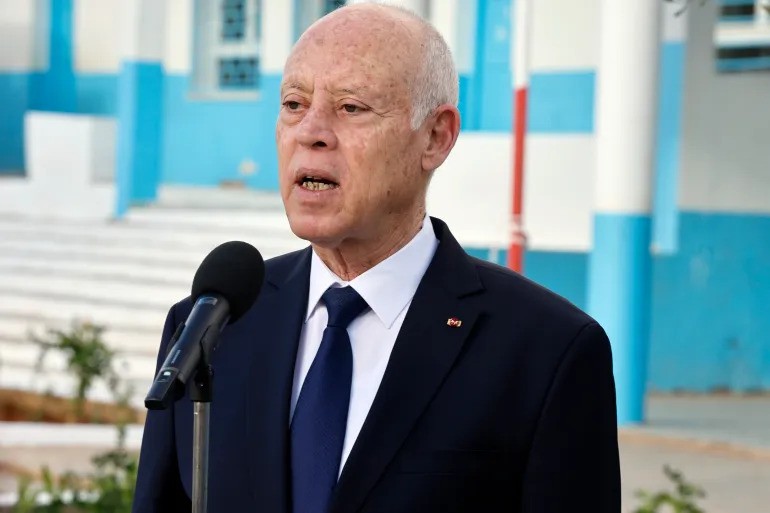
Tunisian President Kais Saied has announced that the presidential election will be held on October 6. This announcement comes amid a climate of political tension, with many of Saied’s political opponents and media critics facing prosecution or imprisonment.
In an official decree on Monday, President Saied confirmed the date for the presidential election. Although he did not declare his candidacy, it is widely anticipated that he will seek re-election for another five-year term. Saied, a former constitutional law professor, came to power in 2019, riding a wave of anti-establishment sentiment and pledging to combat corruption.
Power Consolidation
In 2021, Saied dismissed the elected parliament and assumed full control of the government, ruling by decree. This move, which the opposition labeled a coup, was followed by the drafting of a new constitution. Approved by a referendum in 2022, the new constitution established a presidential system, significantly diminishing the powers of the parliament.
Economic Challenges
Tunisia has been grappling with economic instability for over a decade. The country faces high unemployment rates, currently at 15%, and nearly one-third of its population lives in poverty. Saied’s consolidation of power has exacerbated the economic crisis, according to critics.
Crackdown on Opponents
Prosecutions and Imprisonments
Over 60 journalists, lawyers, and political opponents have been prosecuted, as reported by the National Union of Tunisian Journalists. The opposition argues that free and fair elections are impossible without the release of imprisoned politicians and without ensuring journalistic freedom.
Romdhane Ben Amor of the Tunisian Forum for Economic and Social Rights (FTDES) expressed concerns about Saied’s tactics. "Kais Saied from now until the elections has a long list of individuals, associations, parties and journalists whom he will gradually criminalise to always maintain the sympathy of his electoral base," he told Al Jazeera in May. Ben Amor warned that the regime efficiently silences critics.
Targeting Political Rivals
Key opposition figures, such as Free Constitutional Party leader Abir Moussi, have been jailed. Moussi, seen as a potential rival to Saied, has been imprisoned since last year on charges of harming public security. Other potential candidates, including Safi Saeed, Lotfi Maraihi, Nizar Chaari, and Abd Ellatif Mekki, face prosecution for various allegations, including fraud and money laundering.
Ennahdha leader Rached Ghannouchi is also in jail, accused of receiving foreign funding. Amnesty International has condemned his case, describing it as part of "a growing crackdown on human rights and opposition and a deeply worrying pattern."
Saied’s Stance
President Saied has criticized political opponents, accusing them of seeking office for personal gain. He has asserted that he will not hand over power to those he deems unpatriotic, emphasizing his commitment to his vision for Tunisia’s future.
As Tunisia prepares for the upcoming presidential election, the political landscape remains fraught with tension and uncertainty. The continued prosecution of opposition figures and media critics raises concerns about the fairness and credibility of the electoral process.