Types of Lizards: The 15 Lizard Species You Should Know!
-
 Loading...
 - Martins Abilio
- 17 Apr 2023
- 72 Views
- 0 Like
- 0 Comment
There are more than 6,000 unique species of lizards on Earth, and they are an incredibly diverse bunch of reptiles! From massive monitor lizards to tiny geckos, let’s take a look at some of the most fascinating lizard species you definitely need to know about. We’ll also briefly touch on how lizards are taxonomically categorized and what lizard species are in each main group!
The Five Classes of Lizards
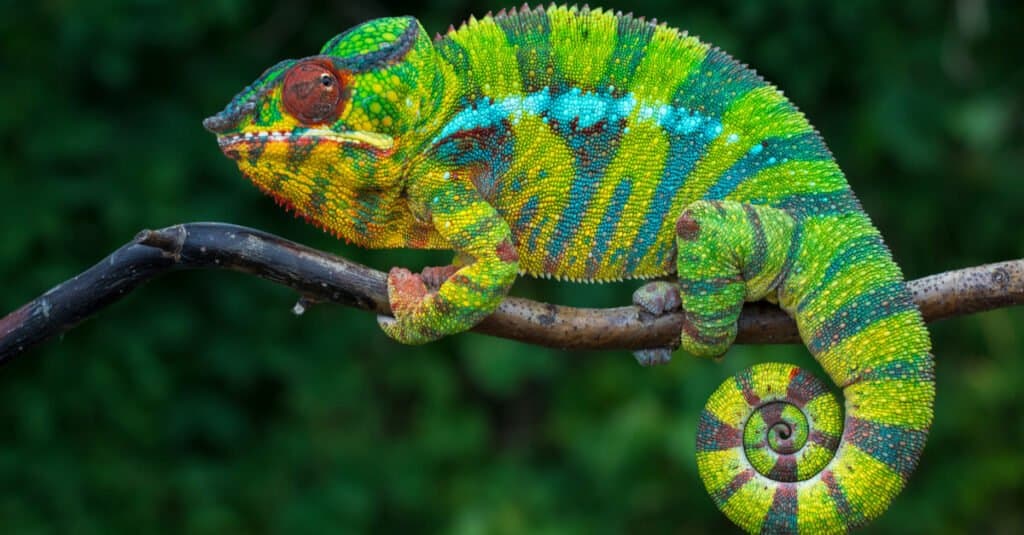
All lizards, including this panther chameleon, fall under one of five groups within the Lacertilia suborder. Chameleons, in particular, are classed within the Iguania group.
Before we get into specific species, it is helpful to understand how we classify lizards and the general types of lizards included within each.
Within the Squamata order of reptiles is the Lacertilia suborder, which contains all known lizard species. We can further break this suborder down into five main groups, or infraorders. These five infraorders loosely categorize all types of lizards based on traits like their body plans, how they’ve evolved over time, and other physical characteristics they may share.
The main five groups of lizards are:
Anguimorpha: A rather eclectic group that contains glass lizards, beaded lizards, crocodile lizards, alligator lizards, legless lizards, slow worms, knob-scaled lizards, galliwasps, and, oddly enough, varanids, better known as monitor lizards.
Gekkota: This group contains every single species of gecko, including those with eyelids. Most geckos are small in size, ranging from a mere half-inch long to around 20 inches. More than 60% of all species have sticky pads on their feet, making them agile climbers.
Iguania: Another sort of “catch-all” group that contains iguanas, chameleons, chuckwallas, helmet lizards, agamids or “dragon lizards,” collared lizards, and anoles.
Lacertoidea: Generally referred to as “true” lizards for how common most species are throughout Europe. However, with more species being discovered, they have been found to have a surprisingly wide distribution across Europe, Africa, Asia, and the Americas. This group contains lacertas and wall lizards, tegus, whiptails, spectacled lizards, and worm lizards.
Scincomorpha: This group contains all species of skinks as well as girdled lizards, plated lizards, and night lizards.
Of course, we could break these groups down even further, but that would make things a bit tedious and confusing for the purposes of an overview article like this. Now, without further ado, let’s take a look at a few unique species within each group! Read More…