UK Government Art Collection will review 300 works relating to slavery, colonialism and racism
-
 Loading...
 - Ainsley Murphy
- 04 Feb 2022
- 422 Views
- 0 Like
- 0 Comment
The UK’s Government Art Collection (GAC) has earmarked 300 paintings and prints that are due to be reinterpreted, mainly over issues relating to slavery, colonialism and racism. Each item was tagged on their website: “Interpretation about this artwork is under review”.
Following questions by The Art Newspaper, these tags were immediately removed from the website early last month. A spokesperson for the Department for Digital, Culture, Media and Sport (DCMS), to which the GAC belongs, says they had been tagged in error.
The spokesperson explains: “Due to an administrative error a number of paintings on the Government Art Collection website were incorrectly stated to be under review. This is not the case and the website has now been corrected.”
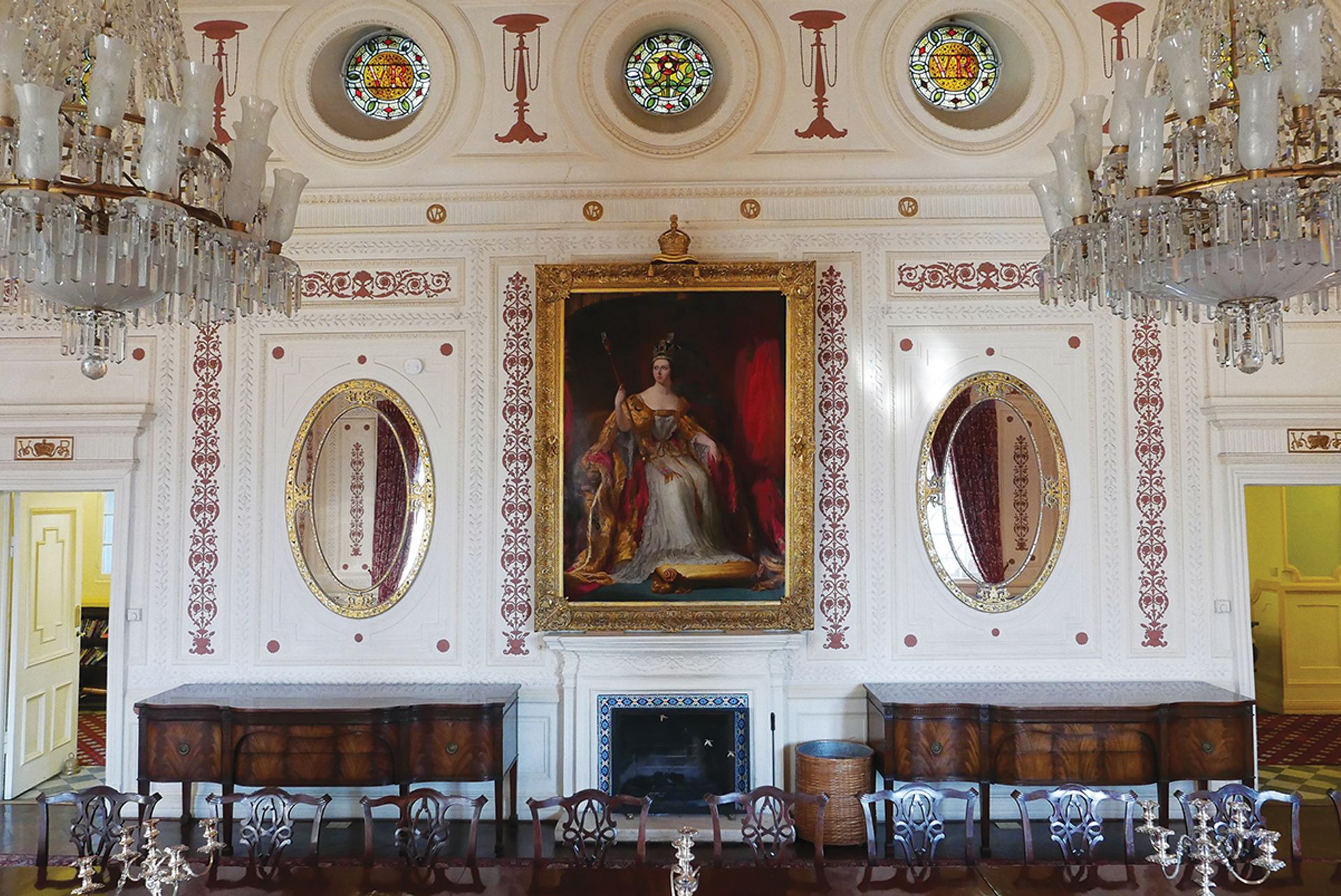
The tagged works included 26 portraits of Queen Victoria. Among the buildings in which they currently hang are British embassies and diplomatic missions in Berlin, Istanbul, Kathmandu, New Delhi, Paris, Rome, Stockholm, Tehran, Tokyo and Tunis, as well as the Cabinet Office and Lancaster House in London.
Although slavery in most of the British Empire had been formally abolished in 1833, four years before the queen’s accession, the system had not been entirely ended before she was crowned. Under Queen Victoria’s reign, imperial rule was expanded, usually by force, and she was made Empress of India in 1876.
Other GAC portraits of British monarchs earmarked for reinterpretation include those of Elizabeth I, Charles I, Charles II, William III, Anne, George I and William IV. Some of these kings and queens were involved with the Royal African Company, although inclusion may also have been due to an artist or patron being involved in questionable activities.
Two portrait prints of George Washington were tagged. Again, they may have been earmarked for reinterpretation because of the artists or patrons.
Some works are obvious candidates for reinterpretation. William Müller’s The Slave Market (1842) depicts a scene in Cairo, involving Arab rather than British buyers. This watercolour was bought by the GAC in 1964.
George Bickham’s How to get Riches (about 1736) depicts several sailing ships with an inscribed poem. Singing the praises of British traders, the poem includes the line: “New Lands to make, new Indies to explore”. Perhaps surprisingly, this historical item was bought as relatively recently as 1978.
There are 13 works relating to Jamaica, most of them early landscape prints. These include a pastel portrait by John Russell of Thomas Millward (1796), who owned a coffee plantation on the island. In the portrait Millward prominently holds a book recording Jamaican laws, which has a section on dealing with slaves.
The GAC’s Jamaican works include a lithograph by Joseph Kidd of Cocoa Nut Walk on the Coast near Runaway Bay in Jamaica (1838-40). The origin of the place name remains uncertain: the bay was named either after escaping slaves or the Spanish governor who fled the British in 1670.
Rethinking Rhodes
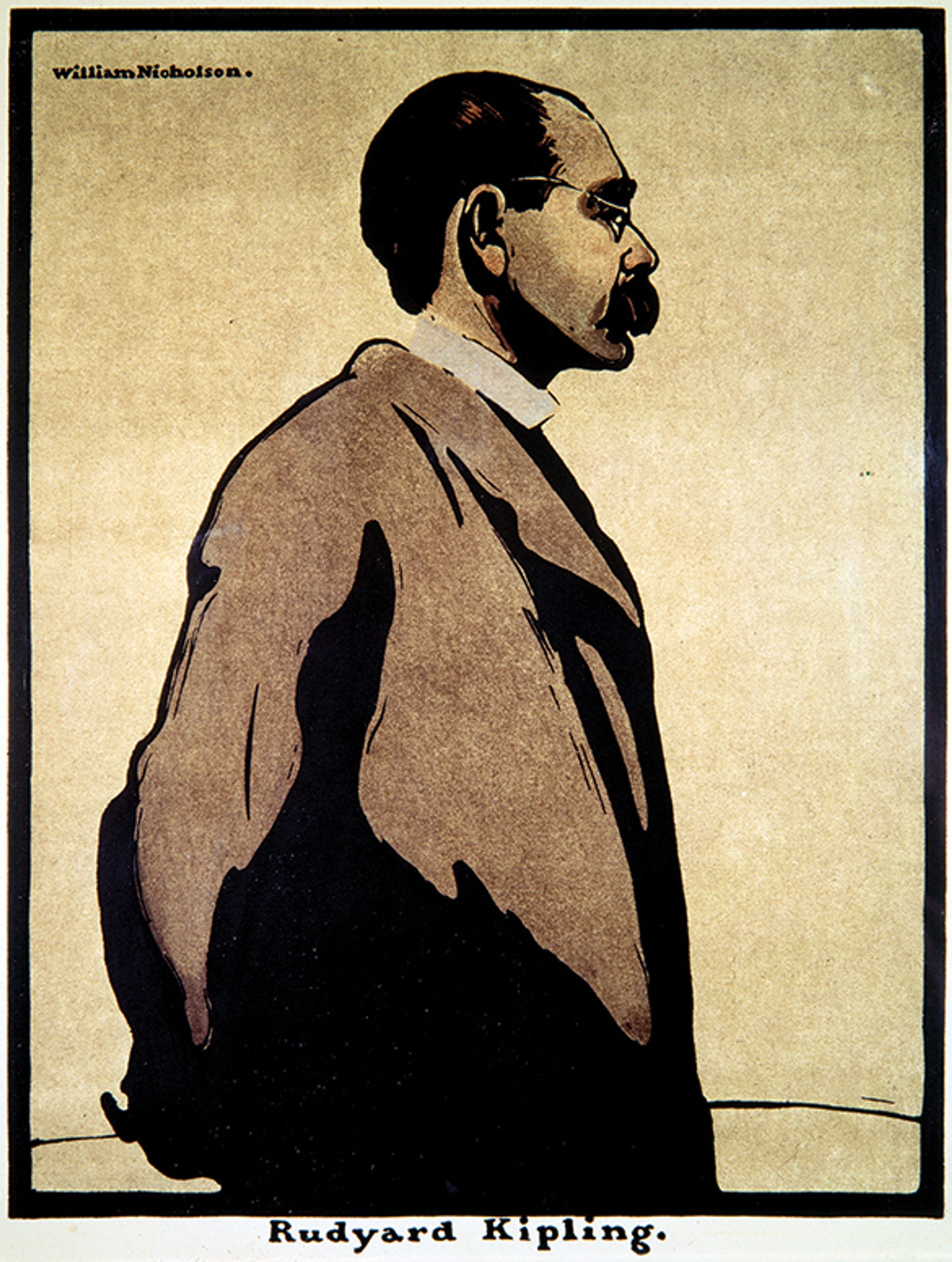
Two William Nicholson prints (1899) are due for reinterpretation. These depict Rudyard Kipling, author of the jingoistic poem “The White Man’s Burden”, and Cecil Rhodes, who energetically promoted imperial rule in southern Africa. Edward Lear’s three landscapes of Ceylon (Sri Lanka) are also included (1870s-80s).
As the GAC website explains, it is currently “reviewing interpretation about artworks and reappraising how they have been considered historically”. This is part of a much broader exercise that is taking place in most major UK museums, an initiative that has assumed greater importance since 2020 with the Black Lives Matter movement.
But what is new is that the GAC is no longer publicly identifying individual artworks that will be subject to possible reinterpretation. Read More…