UK Prime Minister Liz Truss resigns after failed budget and market turmoil
-
 Loading...
 - Kelly Jones
- 20 Oct 2022
- 63 Views
- 0 Like
- 0 Comment
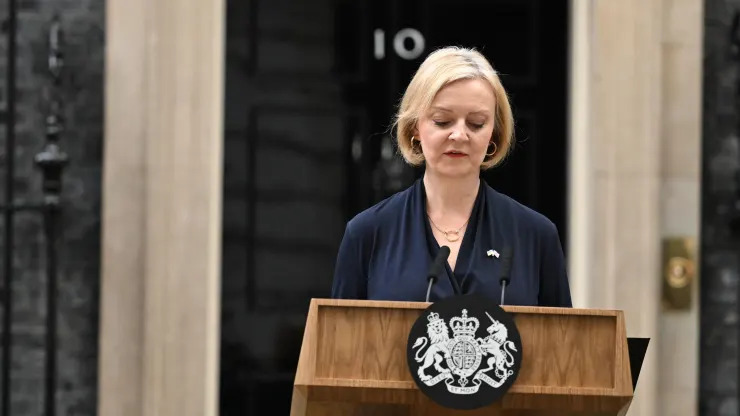
U.K. Prime Minister Liz Truss resigned Thursday following a failed tax-cutting budget that rocked financial markets and which led to a revolt within her own Conservative Party.
Truss said in a statement outside Downing Street: “We set out a vision for a low-tax, high-growth economy that would take advantage of the freedoms of Brexit.”
“I recognize though, given the situation, I cannot deliver the mandate on which I was elected by the Conservative Party. I have therefore spoken to His Majesty the King to announce that I am resigning as leader of the Conservative Party.”
The party is now due to complete a leadership election within the next week, faster than the usual two-month period. Graham Brady, the Conservative politician that is in charge of leadership votes and reshuffles, told reporters he was now looking at how the vote could include Conservative MPs and the wider party members.
Truss was in office for just 44 days, making her the shortest-serving prime minister in British history. For ten days of her premiership government business was paused following the death of Queen Elizabeth II.
Her resignation came after a meeting with Brady, who chairs the 1922 Committee — the group of Conservative MPs without ministerial positions who can submit letters of no confidence in the prime minister.
Just before the meeting, a Downing Street spokesperson told reporters Truss wanted to stay in office.
During the hour the meeting lasted, the number of MPs publicly calling for Truss to step down reached 17. The number who have written letters to Brady expressing no confidence in the prime minister was reported to be over 100 by Thursday. Read More…