UK School Librarians Face Pressure to Remove LGBTQ+ Books
-
 Loading...
 - Aziza Hamdy
- 26 Aug 2024
- 53 Views
- 0 Like
- 0 Comment
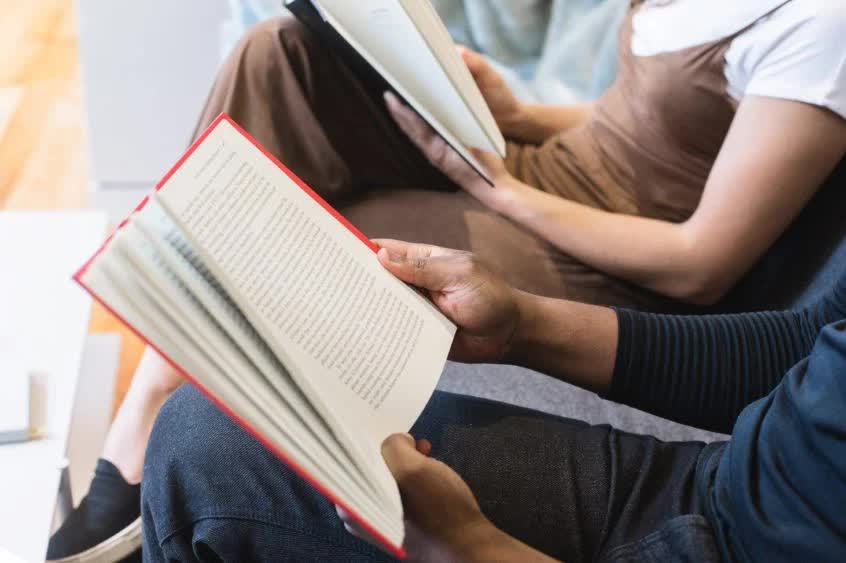
A recent survey by Index on Censorship has found that over 50% of UK school librarians have been asked to remove books from their shelves, with many of these titles being LGBTQ+ themed. The survey, which polled 53 librarians, revealed that in more than half of these cases, the books were taken off the shelves.
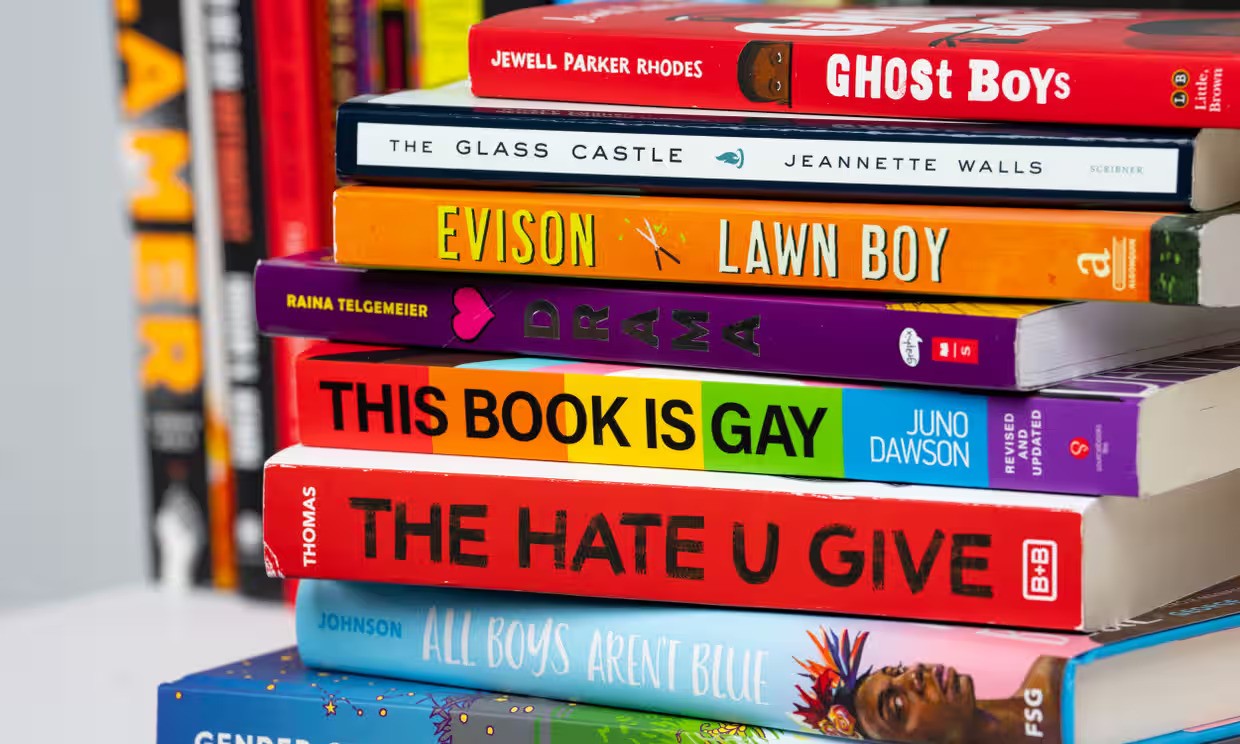
Some of the books that have been complained about include:
- This Book Is Gay by Juno Dawson
- Julián is a Mermaid by Jessica Love
- ABC Pride by Louie Stowell, Elly Barnes, and Amy Phelps
Alison Tarrant, chief executive of the School Library Association (SLA), expressed concern about the trend of censorship targeted at books written by queer authors or featuring queer characters. She noted that censorship can take many forms, including self-censorship, where librarians may avoid purchasing certain books to avoid complaints.
Tarrant suggested that the UK bans may be influenced by book censorship in the US, which reached record highs last year. She cited cases where groups or individuals from the US have stirred up or initiated complaints about certain books.
The SLA emphasizes the importance of school libraries having collection development policies in place to deal with complaints and censorship issues. Tarrant noted that school library staff may not be trained or properly supported to handle these situations, and senior leaders may not understand the role or pressures of a school librarian.
The pressure to deal with censorship issues can have an emotional impact on librarians and can be isolating. Tarrant emphasized the importance of school libraries providing a safe and inclusive space for all students, including those who identify as LGBTQ+. She noted that if LGBTQ+ books are not visible, it can lead to exclusion and otherness, affecting the extent to which pupils see themselves as readers.
A representative from LGBTQ+ rights charity Stonewall expressed concern about the removal of LGBTQ+ books from school libraries, stating that it can make LGBTQ+ young people feel ashamed and hidden. They emphasized the importance of inclusive resources and books in schools to provide reassurance and representation for LGBTQ+ students.