Ukraine's Legislative Challenge
-
 Loading...
 - Viola Bertoni
- 12 Oct 2022
- 64 Views
- 0 Like
- 0 Comment
Russia’s invasion of Ukraine has highlighted the weaknesses of both international and national justice systems. For Ukraine, deficiencies in its legislation and administrative procedures may put the ability to hold perpetrators accountable at risk.
Currently, Ukrainian legislation includes provisions on the classification and investigation of grave crimes, but has not incorporated all international standards, principles and specific provisions required for their prosecution.
In 2000, Ukraine signed the Rome Statute, the international treaty that established the International Criminal Court (ICC) and four core international crimes: genocide, crimes against humanity, war crimes and the crime of aggression. However, it is yet to ratify this treaty.
In 2014, Ukraine accepted ICC jurisdiction over alleged war crimes in the wake of the annexation of Crimea and the armed conflict in eastern Ukraine. In the preliminary investigation, which lasted from 2014 to 2020, then-ICC prosecutor Fatou Bensouda, classified the situation in Crimea as an international armed conflict. As for the Donbas, she stated it was a combination of an armed conflict between Russian and Ukrainian forces, as well as a conflict of non-international nature between government troops and armed groups from so-called Donetsk People’s Republic (DPR) and Luhansk People’s Republic (LPR).
Following the full-scale Russian invasion of February 24, 2022 and an appeal from 43 member states, the ICC’s prosecutor’s office launched a whole-covered investigation into the situation in Ukraine. The court operates on the principle of complementarity, according to which international jurisdiction does not replace the national system, even in relation to grave crimes, but complements it in the event the state is unwilling or unable to ensure an effective investigation. In May 2022, the ICC deployed a team of 42 investigators, forensic experts and support personnel in its largest ever field deployment.
The state is first and foremost responsible for prosecuting the most serious crimes committed on its territory or against its citizens; the ICC’s key task is to complement national law and judicial systems. The court’s limited resources and focus means that Ukraine should take the lead in justice processes.
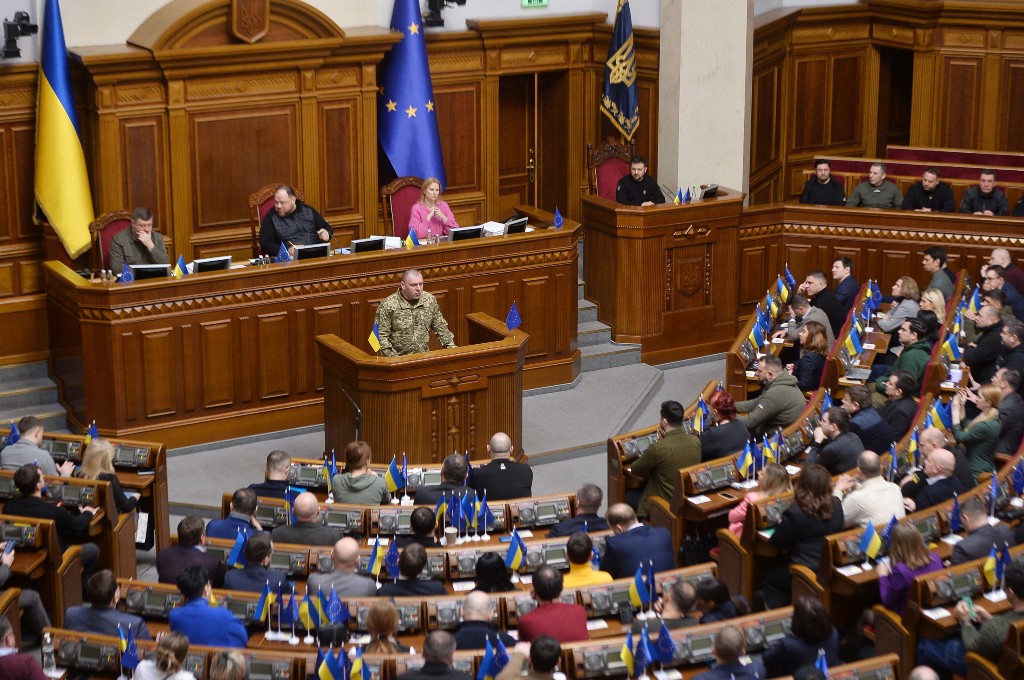
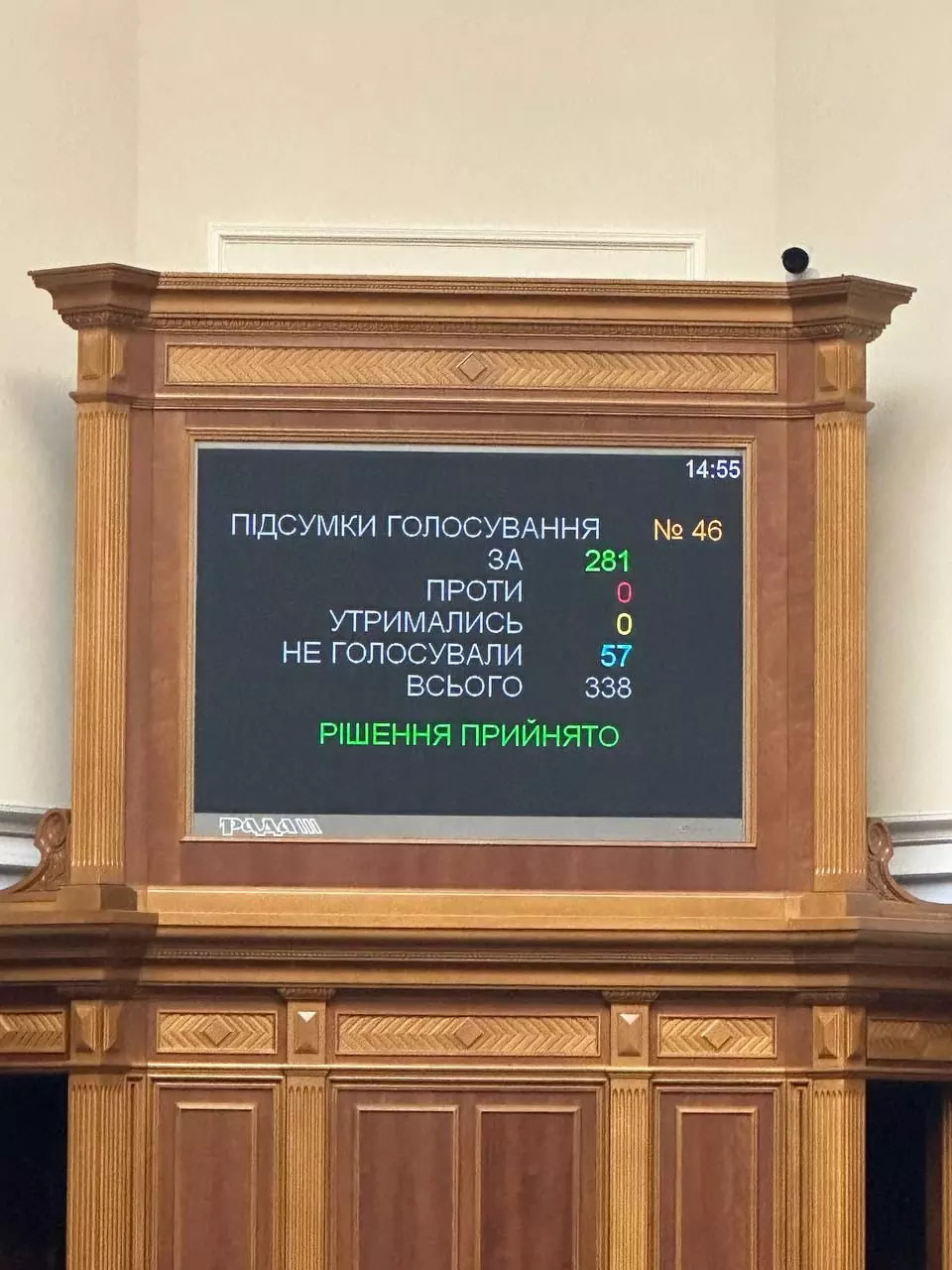
The Verkhovna Rada, the Ukrainian Parliament, has adopted a law enshrining cooperation with the ICC in its criminal procedure code. Read More...