Home Upload Photo Upload Videos Write a Blog Analytics Messaging Streaming Create Adverts Creators Program
Bebuzee Afghanistan Bebuzee Albania Bebuzee Algeria Bebuzee Andorra Bebuzee Angola Bebuzee Antigua and Barbuda Bebuzee Argentina Bebuzee Armenia Bebuzee Australia Bebuzee Austria Bebuzee Azerbaijan Bebuzee Bahamas Bebuzee Bahrain Bebuzee Bangladesh Bebuzee Barbados Bebuzee Belarus Bebuzee Belgium Bebuzee Belize Bebuzee Benin Bebuzee Bhutan Bebuzee Bolivia Bebuzee Bosnia and Herzegovina Bebuzee Botswana Bebuzee Brazil Bebuzee Brunei Bebuzee Bulgaria Bebuzee Burkina Faso Bebuzee Burundi Bebuzee Cabo Verde Bebuzee Cambodia Bebuzee Cameroon Bebuzee Canada Bebuzee Central African Republic Bebuzee Chad Bebuzee Chile Bebuzee China Bebuzee Colombia Bebuzee Comoros Bebuzee Costa Rica Bebuzee Côte d'Ivoire Bebuzee Croatia Bebuzee Cuba Bebuzee Cyprus Bebuzee Czech Republic Bebuzee Democratic Republic of the Congo Bebuzee Denmark Bebuzee Djibouti Bebuzee Dominica Bebuzee Dominican Republic Bebuzee Ecuador Bebuzee Egypt Bebuzee El Salvador Bebuzee Equatorial Guinea Bebuzee Eritrea Bebuzee Estonia Bebuzee Eswatini Bebuzee Ethiopia Bebuzee Fiji Bebuzee Finland Bebuzee France Bebuzee Gabon Bebuzee Gambia Bebuzee Georgia Bebuzee Germany Bebuzee Ghana Bebuzee Greece Bebuzee Grenada Bebuzee Guatemala Bebuzee Guinea Bebuzee Guinea-Bissau Bebuzee Guyana Bebuzee Haiti Bebuzee Honduras Bebuzee Hong Kong Bebuzee Hungary Bebuzee Iceland Bebuzee India Bebuzee Indonesia Bebuzee Iran Bebuzee Iraq Bebuzee Ireland Bebuzee Israel Bebuzee Italy Bebuzee Jamaica Bebuzee Japan Bebuzee Jordan Bebuzee Kazakhstan Bebuzee Kenya Bebuzee Kiribati Bebuzee Kuwait Bebuzee Kyrgyzstan Bebuzee Laos Bebuzee Latvia Bebuzee Lebanon Bebuzee Lesotho Bebuzee Liberia Bebuzee Libya Bebuzee Liechtenstein Bebuzee Lithuania Bebuzee Luxembourg Bebuzee Madagascar Bebuzee Malawi Bebuzee Malaysia Bebuzee Maldives Bebuzee Mali Bebuzee Malta Bebuzee Marshall Islands Bebuzee Mauritania Bebuzee Mauritius Bebuzee Mexico Bebuzee Micronesia Bebuzee Moldova Bebuzee Monaco Bebuzee Mongolia Bebuzee Montenegro Bebuzee Morocco Bebuzee Mozambique Bebuzee Myanmar Bebuzee Namibia Bebuzee Nauru Bebuzee Nepal Bebuzee Netherlands Bebuzee New Zealand Bebuzee Nicaragua Bebuzee Niger Bebuzee Nigeria Bebuzee North Korea Bebuzee North Macedonia Bebuzee Norway Bebuzee Oman Bebuzee Pakistan Bebuzee Palau Bebuzee Panama Bebuzee Papua New Guinea Bebuzee Paraguay Bebuzee Peru Bebuzee Philippines Bebuzee Poland Bebuzee Portugal Bebuzee Qatar Bebuzee Republic of the Congo Bebuzee Romania Bebuzee Russia Bebuzee Rwanda Bebuzee Saint Kitts and Nevis Bebuzee Saint Lucia Bebuzee Saint Vincent and the Grenadines Bebuzee Samoa Bebuzee San Marino Bebuzee São Tomé and Príncipe Bebuzee Saudi Arabia Bebuzee Senegal Bebuzee Serbia Bebuzee Seychelles Bebuzee Sierra Leone Bebuzee Singapore Bebuzee Slovakia Bebuzee Slovenia Bebuzee Solomon Islands Bebuzee Somalia Bebuzee South Africa Bebuzee South Korea Bebuzee South Sudan Bebuzee Spain Bebuzee Sri Lanka Bebuzee Sudan Bebuzee Suriname Bebuzee Sweden Bebuzee Switzerland Bebuzee Syria Bebuzee Taiwan Bebuzee Tajikistan Bebuzee Tanzania Bebuzee Thailand Bebuzee Timor-Leste Bebuzee Togo Bebuzee Tonga Bebuzee Trinidad and Tobago Bebuzee Tunisia Bebuzee Turkey Bebuzee Turkmenistan Bebuzee Tuvalu Bebuzee Uganda Bebuzee Ukraine Bebuzee United Arab Emirates Bebuzee United Kingdom Bebuzee Uruguay Bebuzee Uzbekistan Bebuzee Vanuatu Bebuzee Venezuela Bebuzee Vietnam Bebuzee World Wide Bebuzee Yemen Bebuzee Zambia Bebuzee Zimbabwe
Blog Image

Ukraine’s Nuclear Reactors Remain at Risk as One-Year Anniversary of War Looms

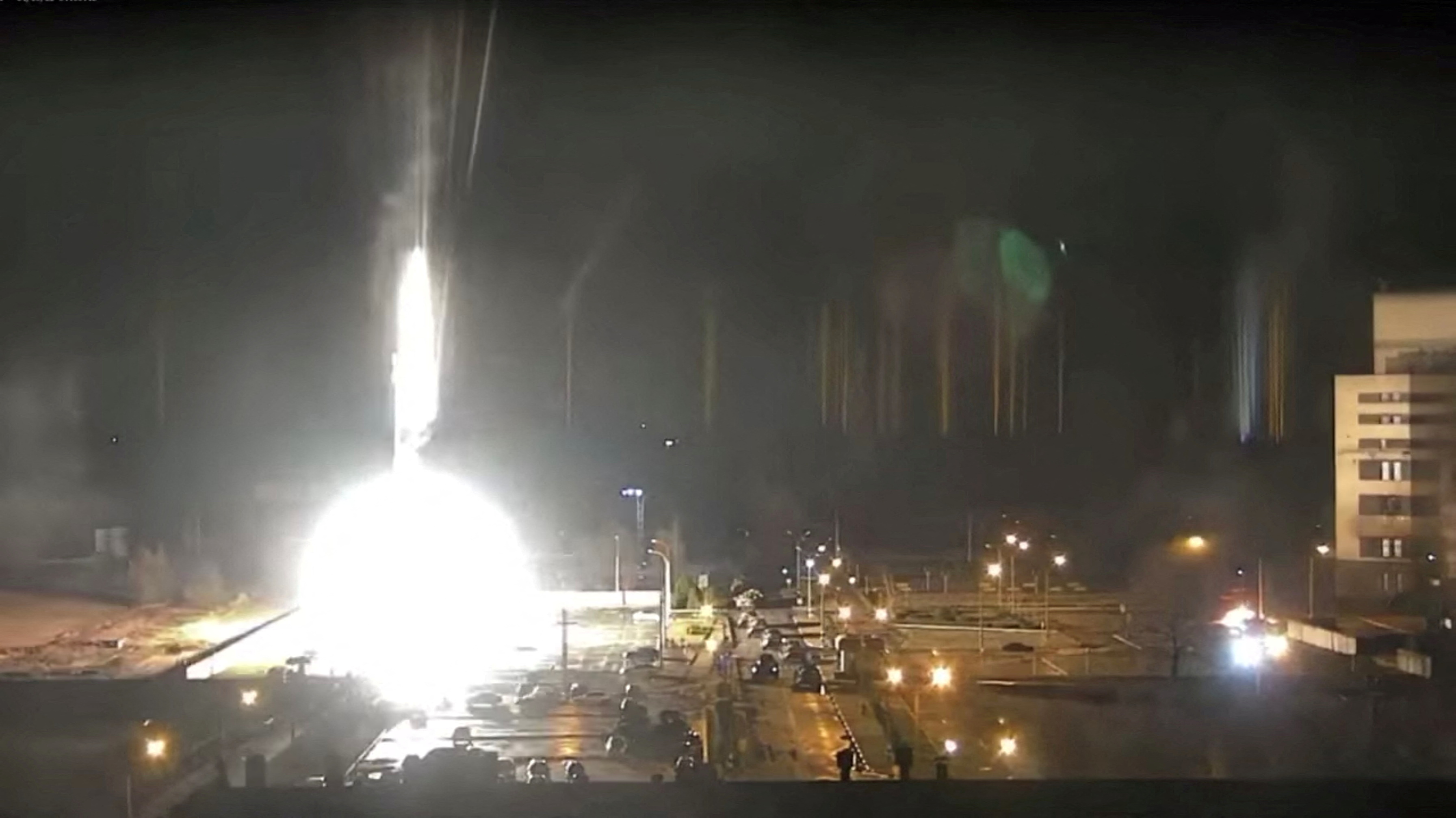
Since the war began, the 15 Ukraine reactors situated at four sites, along with the defunct Chornobyl nuclear plant, have been at the center of media attention, once again bringing to light the inherent and extreme dangers of nuclear power plants at any time, let alone during an armed conflict. And, on a few occasions, all of those sites have also been in the crosshairs of actual fighting, most notably the six-reactor Zaporizhzhia nuclear power plant, the largest both in Ukraine and all of Europe.

Despite pleadings by the International Atomic Energy Agency and its director, Rafael Grossi, not to engage in combat close to the nuclear plants, no effective deterrent or peaceful protective measure has been found or implemented, even as the IAEA continues to urge the creation of safe zones around the nuclear sites.

Grossi and others insist that the nuclear plants themselves are not the problem. “It’s very simple, the problem in Ukraine and in Russia is they are at war. The problem is not nuclear energy,” he told the BBC in an interview.

Except that it IS the nuclear plants that are the problem. After all, if Ukraine was powered by renewables and not nuclear plants, this wouldn’t even be an issue. As an Austrian government briefing paper, collected under “Fairy tales by the nuclear lobby,” said: “A ‘successful’ attack on a nuclear power plant in densely populated Europe would have radiological and economic consequences far beyond those experienced after Chernobyl or Fukushima. So far, no terrorist attacks on wind turbines or solar panels have been reported.”

An attack or other precipitating events caused by the war in Ukraine, could still result in such a disaster. Sadly, with the war raging on, nothing has really changed since the February 24, 2022 invasion.

Since it’s the most dangerous, being the largest, and also the closest to the worst of the fighting, let’s take Zaporizhzhia as our test case.

There are approximately 200 different radioactive isotopes contained in any given nuclear reactor and its waste inventories. Zaporizhzhia houses at least 2,204 tons of highly radioactive waste within the reactors and the irradiated fuel pools, according to a March 2022 Greenpeace analysis, looking at 2017 figures, the latest data available. At least 855 tons of those wastes are in the pools. The quantities are so high because the reactors have been in operation for several decades. The first unit came on line in 1985, the sixth in 1996.

Among those 200 isotopes are iodine-131, which attacks the thyroid, cesium-134 that accumulates in muscle and strontium-90 which acts like calcium in the body and is easily incorporated into bone. Since all reactors also make plutonium-239 — with a half-life of 24,000 years — as part of the fission process, it, too, could be propelled into the environment. As an alpha-emitting particle, it is most dangerous when inhaled, attacking lungs, kidneys and other organs. Read More…

Previous Post

Ukrainian prosecutors receive six armoured vehicles from EU to work in liberated territories

Next Post

Alstom will supply 25 additional Coradia Nordic regional trains to Norske tog in Norway

Comments