Ultimate eats: the world's top 10 food experiences for 2022
-
 Loading...
 - Daniella Chapman
- 11 Feb 2022
- 452 Views
- 0 Like
- 0 Comment
The inextricable link between food and travel is so fascinating (not to mention, delicious!) that we set our community of bloggers, writers and staff the task of trawling the planet for epic foodie adventures. Here are our most delicious food experiences – as ranked by some of the world’s top chefs!
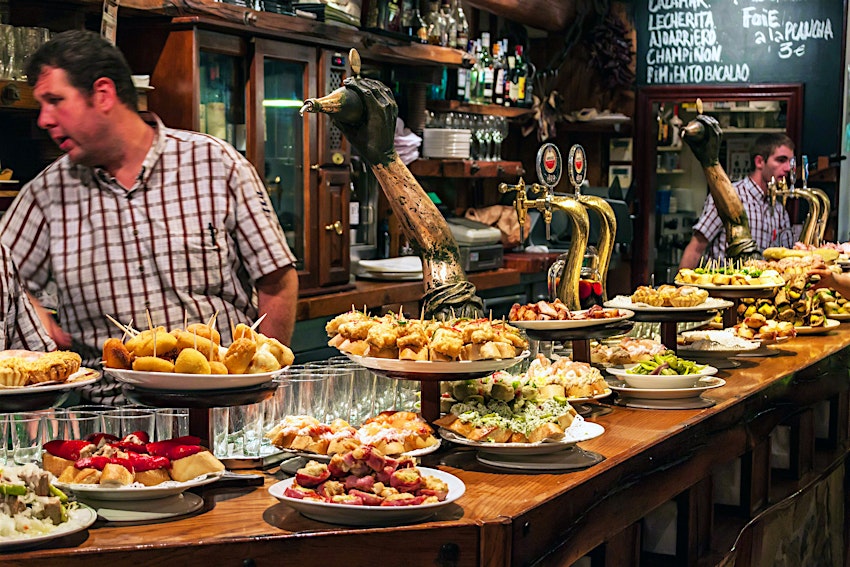
1. Pinxtos in San Sebastián
If there’s a better way to explore a culture’s cuisine than pintxos in San Sebastián, we’ll eat our shorts. The tiny bites (known as tapas outside of Basque Spain) are best consumed with an accompanying drink, seeing as you’ll be taking this particular culinary journey as a bar-hopping escapade through the streets of San Sebastián. Beginning their existence as small open sandwiches, pintxos can be experienced in many incarnations, from the traditional, piled-high toppings on bread, to molecular gastronomy renditions with flavors that defy what you see.
Needless to say, almost every local ingredient is represented. It’s hard to list favorites, but the simple examples are often the ones that blow your mind – battered white asparagus, a tuna and anchovy tart or maybe mushrooms braised with garlic. To get the full pintxos and San Sebastián experience, have a lazy day in the city and surrounds, take an afternoon nap and then head out around 9pm. You’ll never be more than a few minutes from your next bar, a whole new menu of tasty treats and a whole new group of people eating and drinking – just follow their leads.
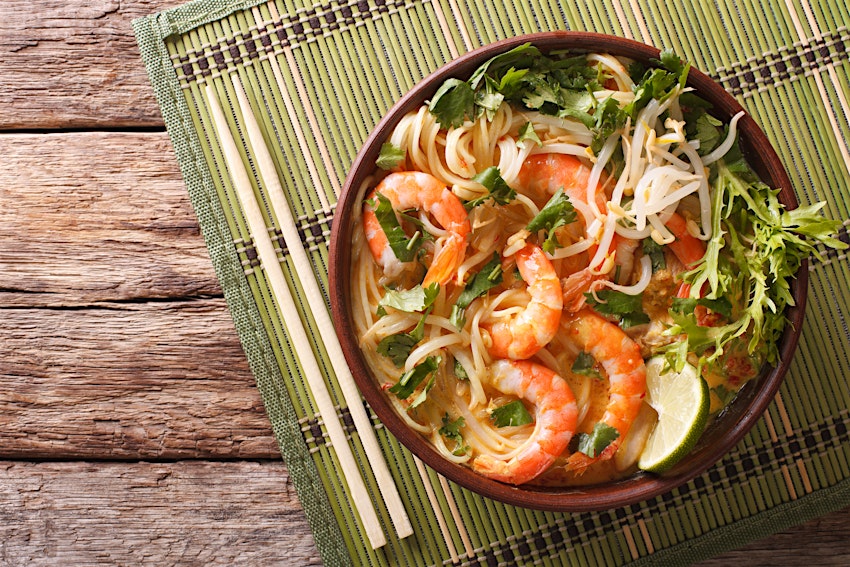
2. Curry laksa in Kuala Lumpur
Rich and creamy curry laksa is just about as tasty a bowl of food as you will find anywhere on the planet, but it’s in Malaysia and in particular in Kuala Lumpur, that you’ll find some of the best ways of eating it. Here are fantastic little hawker centers tucked into the shadows of towering skyscrapers, and at Madras Lane, just off Petaling St, you’ll come across competing curry laksa stalls vying for your attention.
Pick the one with the longest queue and when you have the bowl in your hands choose a plastic chair (make sure it’s connected to the stall where you bought your laksa or you’ll be in trouble) and begin the swoon-worthy, sweat-inducing process of eating. Come again the next day to try the neighboring stall’s version. A heady mix of spices and flavors (such as fresh turmeric, galangal, chili, candlenut and shrimp paste) go into the curry mix, which, when combined with coconut milk, creates the signature fiery orange appearance of the noodle soup. Two types of noodles (thin rice and thick egg), along with shredded chicken, shrimp, cockles, tofu puffs, bean sprouts, a sprinkling of fresh chili and mint and a squeeze of lime, make up the rest of the lip-smacking ingredients. It’s an only-in-Malaysia experience.
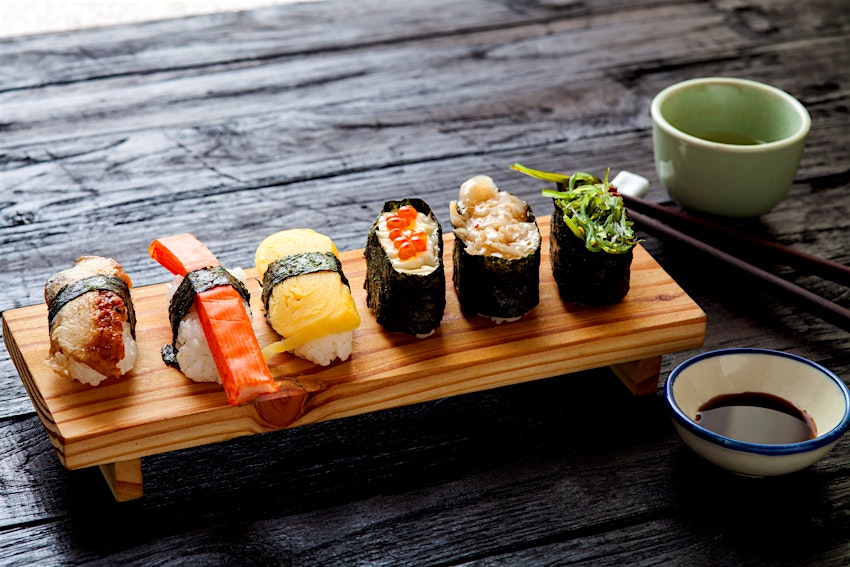
3. Sushi masterclass in Tokyo
We want to say that if you’re going to eat sushi in Tokyo, go to Sukiyabashi Jiro or Sushi Saito, but the inordinately long waiting lists to get in to either restaurant take the shine off the experience. That said, if your fairy godmother (aka hotel concierge) waves a magic wand, do not miss your chance; the sushi mastery on show at both places is undeniable. In the absence of a fairy godmother, however, there are some superb sushi restaurants in Tokyo that dish up life-changing experiences without the wait. Cases in point include Manten Sushi Marunouchi and JÅ«zÅ Sushi.
Most top-end sushi chefs will serve their sushi omakase style, which just means you leave it to them and they will select, prepare and serve your sushi as they see fit. Don’t kick back and relax just yet, though – there are some etiquette rules to abide by. Firstly, when your fresh piece of sushi is placed in front of you, pick it up with your hands, not chopsticks and don’t dip it in soy sauce or ask for any extra wasabi. The chef has seasoned the offering, so it is something of an insult to modify the flavor. Between courses, it’s fine to use chopsticks to pick up pickled ginger and the oshibori (hand towel) to clean your fingers.
Take your time and interact with the chef; it’s such an intimate setting and a perfect opportunity to learn more about this ancient culinary artform. Remember to pay attention to the rice as well as the fish. Sushi masters spend years perfecting their rice and consider it as important as all the other ingredients. Soak it all in – the tradition, the skill, the respect, the service, all amounting to the quintessential Japanese dining experience.
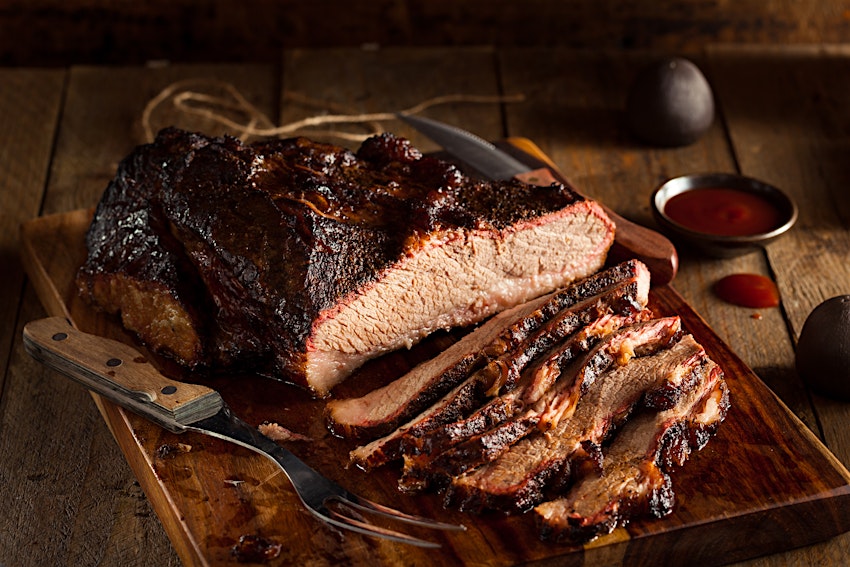
4. Beef brisket in Texas
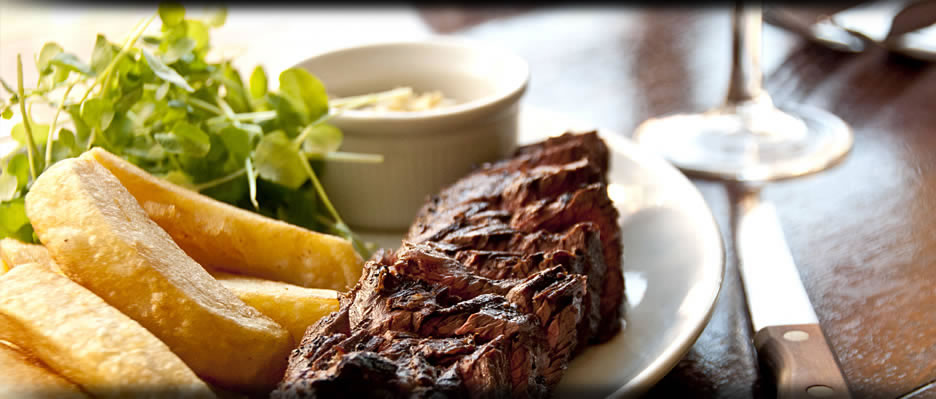
The folk in Texas know their barbecued meats. So when they line up for four or more hours to get some, it has to be special. That’s the situation at Franklin Barbecue, in Austin, six days a week. Franklin’s menu includes pulled pork, ribs, sausage and more, but the main attraction is its smoked beef brisket. It keeps it simple, rubbing the meat with a mix of salt and black pepper, and cooking it ‘low and slow’ in oakwood smoke until it’s fall-apart tender and encased in a thin, salty crust. It’s a juicy, smoky Texas classic, judged best in class by the Texans themselves.
Plenty of outsiders are fans too, including the late Anthony Bourdain (‘the finest brisket I’ve ever had’), Barack Obama (skipped the line, but paid for everyone behind him) and Kanye West (tried to skip the line, got bumped). You could drive to Lockhart, the state-legislated ‘Barbecue Capital of Texas’, and be back in the time it takes to get into Franklin’s. But the queue is good fun, you can have a beer and meet some friendly Texans while you wait, and damn, that brisket is good.
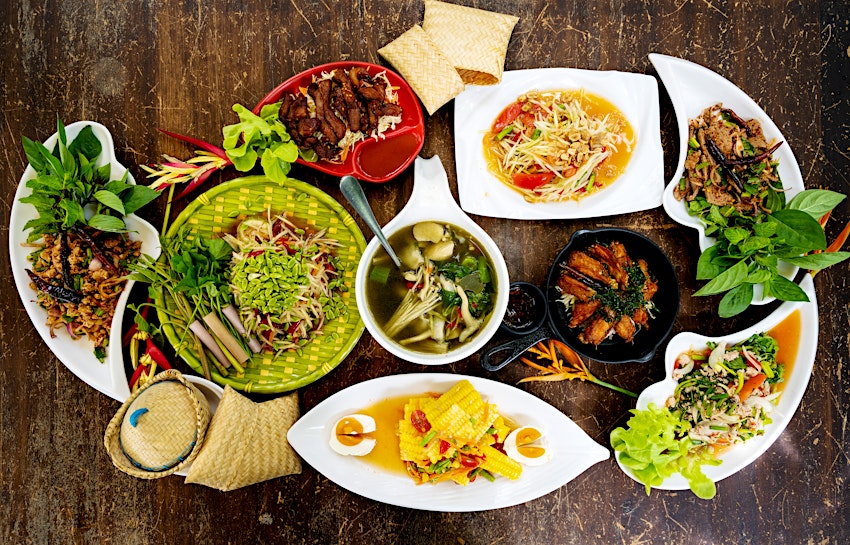
5. Som tum in Bangkok
Rarely does a salad generate so much hype, but then som tum, or green papaya salad as many of us know it, is no ordinary salad. Som tum is a bang of flavour – it’s sour, salty, sweet and intensely fiery. It’s also texturally extraordinary, combining the crunch of peanuts with cool slivers of pale green papaya and carrot, and small, sweet, juicy shrimps and tomatoes. It’s sold from street vendors all over Thailand but is particularly beloved in the capital, Bangkok, where it feels like there’s a seller on every corner.
Grabbing a plate of som tum on the street, amid all the traffic chaos and the stifling heat, is a rite of passage for visitors to the city, and the epitome of this is the rambling, streetside shack Jay So. But if you would prefer to revere your salad in relative peace and quiet, the restaurant Somtam Nua, at the Siam Center on Siam Square, has a worthy version – tamed slightly for Western palates but still delicious.
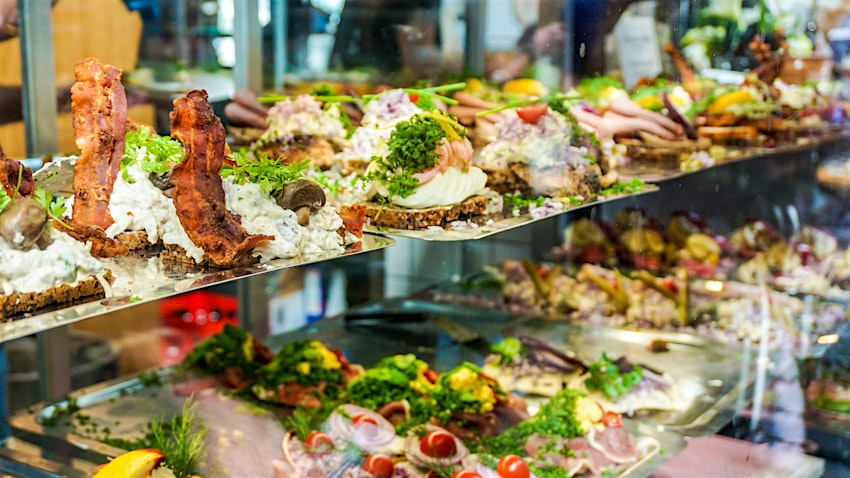
6. Smørrebrød in Copenhagen
Want to know what the best thing is since sliced bread? Danish smørrebrød, that’s what. Take a slice of rye bread, put some butter on it and then heap it with whatever tasty ingredients you like. Actually, it’s not that simple. There are some rules to smørrebrød that help to elevate it to something beyond just a piece of bread with toppings. Firstly, thin toppings go on first, followed by the bulkier kind; secondly, when eating more than one kind of smørrebrød at once (and this is nearly always the case, good luck stopping at one) you start with the slice that features herring, move on to fish, then meat and finish with cheese. This carefully choreographed sequence is designed to gently walk your palate through the flavor combinations so that one never overpowers the other.
If you’ve never had smørrebrød before there are some classic combinations you’ll see all over Denmark: pickled herring, onion and dill; mayonnaise, boiled egg, shrimp, dill and lemon; roast beef, pickles, onions and horseradish; blue cheese, apples and bacon, for example. But these are just a tiny sample of the almost limitless number of toppings.
At Copenhagen’s smørrebrød institution, Restaurant Schonnemann, which has been serving up the open-faced sandwich since 1877, the presentation is so delicate and refined it resembles sushi in style. Try the following for an ultimate smørrebrød experience, otherwise known as the world’s best sandwich degustation: herring marinated in dill cream with capers, onions and a fried egg; smoked salmon and smoked halibut with a crab and mayonnaise salad, tomato and basil; a breaded cutlet of pork with apples, thyme and onions; and finally, camembert with blackcurrant jam. And to drink? Why there are only more than 140 different schnapps, aquavit and genevers to choose from. That should do nicely. Read More…