Uncovering Secrets of Historic Paintings in the Modern Laboratory
-
 Loading...
 - Blanca Ajello
- 09 Jul 2024
- 63 Views
- 0 Like
- 0 Comment
Painters leave their mark on history through the artworks they create, each piece offering a window into the past. Modern technologies have enabled us to delve deeper into these works, uncovering hidden molecular features that reveal the artistic process, historical context, and degradation over time. This article explores how heritage scientists use advanced techniques like mass spectrometry to study historic paintings, textiles, and other cultural heritage objects.
What is Heritage Science?
Definition and Interdisciplinary Nature
Heritage science is an interdisciplinary field that merges scientific studies with cultural heritage to gain insights into historically significant materials. It encompasses chemistry, biology, physics, and art history to analyze and preserve cultural artifacts.
Objectives and Methods
The primary objectives of heritage science are to identify the materials used in cultural heritage objects and to understand their degradation processes. This knowledge helps in selecting appropriate restoration techniques and ensuring the long-term preservation of these objects.
Importance of Material Identification and Preservation
Understanding the materials in historic paintings is crucial for effective conservation. Different materials respond uniquely to cleaning solvents and restoration methods, making precise identification essential to preserve the artwork's integrity.
The Role of Mass Spectrometry in Heritage Science
Basics of Mass Spectrometry
Mass spectrometry is a powerful analytical technique that measures the mass-to-charge ratio of ions. It is used to identify the molecular composition of samples by ionizing chemical compounds and sorting the ions based on their mass-to-charge ratio.
Applications in Analyzing Cultural Heritage Objects
In heritage science, mass spectrometry helps analyze the proteins and metabolites in paintings, textiles, and other artifacts. This technique provides detailed information about the materials used and their chemical changes over time.
Case Study: Danish Golden Age Paintings
Why Study Eckersberg and Købke?
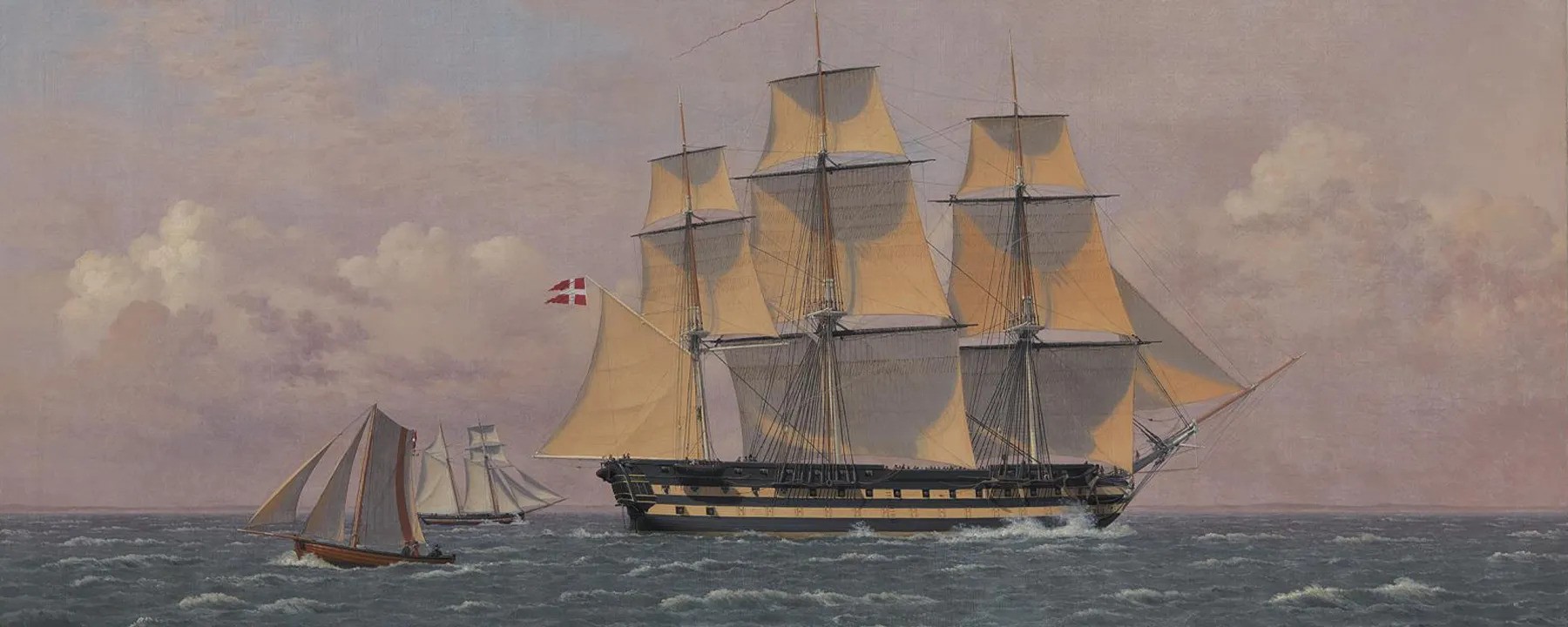
Christoffer Wilhelm Eckersberg and Christen Schiellerup Købke are two of Denmark's most significant painters from the Danish Golden Age. Their works, held at the National Gallery of Denmark, represent a crucial period in Danish art history.
Historical Context and Significance
The Danish Golden Age was a time of artistic flourishing in the first half of the 19th century. Studying these paintings provides insights into the techniques and materials used by artists of that era, enriching our understanding of Denmark's cultural heritage.
Collecting and Preparing Canvas Samples
Source of Canvas Samples
The National Gallery of Denmark restored many paintings in the 1960s, trimming the original canvases during a procedure called lining. These trimmings were preserved, providing a unique opportunity to study the paintings without further damage.
Techniques for Sample Preparation
Samples from the trimmings are prepared for analysis by extracting even smaller pieces. The ground layer, located between the canvas and the paint, is targeted for protein analysis.
Challenges in Proteomic Analysis
Extracting proteins from historical samples is challenging due to potential damage and the presence of inorganic pigments. Adjustments in extraction conditions, like higher temperatures, are often necessary to solubilize the proteins effectively.
Proteomic Analysis of Paintings
Protein Extraction Process
The extraction involves exposing canvas samples to a mixture of denaturing, reducing, and alkylating agents. This treatment solubilizes the proteins and opens disulfide bridges, making the proteins available for analysis.
Enzymatic Digestion and Tandem Mass Spectrometry
Extracted proteins are digested with enzymes to break them into peptides, which are then purified and analyzed using tandem mass spectrometry. This process identifies the amino acid sequences of the peptides.
Data Analysis and Protein Sequencing
The peptide sequences are compared to a protein database, allowing scientists to reconstruct the original protein sequences and identify the materials used in the paintings.
Surprising Findings: Yeast and Cereal Proteins
Discovery of Fermented Ground Layer
The analysis revealed proteins from yeast and cereals in the ground layer of the canvases. This indicates the use of a fermented material, likely a by-product of beer brewing, which has never been documented in paintings before.
Cultural and Historical Significance
Beer was a significant part of 19th-century Danish society. The presence of beer brewing by-products in these paintings highlights the cultural context and practical use of available materials by artists of that time.
Practical Studies and Emulsifier Role
Further studies showed that the residual yeast acted as an emulsifier, helping to mix hydrophobic oils and hydrophilic animal glue in the ground layer. This made the ground layer mixture easier to work with and more stable.
Understanding Protein Degradation
Deamidation and Aging
Protein degradation, such as deamidation, occurs over time and can indicate the age and conditions the painting has been exposed to. High levels of deamidation suggest that the proteins are original to the painting.
Indicators of Protein Age and Exposure Conditions
By comparing the degradation levels of proteins from different parts of the painting, scientists can infer whether the materials have been subjected to the same conditions and are likely from the same period.
Current Work in the Heritage Science Laboratory
Studying Silk Textiles
The Heritage Science Laboratory is also focusing on silk textiles in a project called SAFESILK. The project aims to understand the degradation of silk subjected to a process called weighting, where materials like metal ions are added to alter its properties.
Project SAFESILK
SAFESILK investigates how weighting agents affect the longevity and condition of silk museum objects, providing insights into better preservation methods for these textiles.
Analyzing Weighting and Textile Degradation
By studying different silk weighting methods, the project aims to establish correlations between the presence of weighting agents and the rate of textile degradation, contributing to improved conservation techniques.
Future of Proteomics in Heritage Science
Advancements in Technology
Technological advancements are making it possible to analyze smaller samples more accurately, reducing the need for invasive procedures. This progress allows for more extensive use of proteomics in heritage science.
Minimizing Destructive Sampling
The goal is to minimize the destructive and invasive aspects of proteomic research, making it possible to study a wider range of museum objects without causing damage.
Broader Applications in Art Preservation
Proteomics has vast potential in heritage science, from identifying materials and degradation processes to improving conservation methods. Continued research and technological improvements will enhance our ability to preserve cultural heritage.
Modern laboratory techniques, like proteomics and mass spectrometry, have revolutionized the study and preservation of historic paintings. By uncovering the molecular secrets of these artworks, scientists can better understand their creation, degradation, and the best methods for their preservation. The continued advancement of these technologies promises to further our ability to protect and appreciate cultural heritage for future generations.
FAQs
What is heritage science?
Heritage science is an interdisciplinary field that combines scientific analysis with cultural heritage studies to understand and preserve historically significant materials.
How is mass spectrometry used in analyzing paintings?
Mass spectrometry identifies the molecular composition of samples by measuring the mass-to-charge ratio of ions, providing detailed information about the materials used in artworks.
What challenges are faced during proteomic analysis?
Challenges include extracting proteins from damaged samples and dealing with the influence of inorganic pigments. Adjustments in extraction conditions are often necessary for successful analysis.
What was discovered in the Danish Golden Age paintings?
Proteomic analysis revealed the presence of yeast and cereal proteins, indicating the use of fermented materials likely from beer brewing by-products in the ground layer of the paintings.