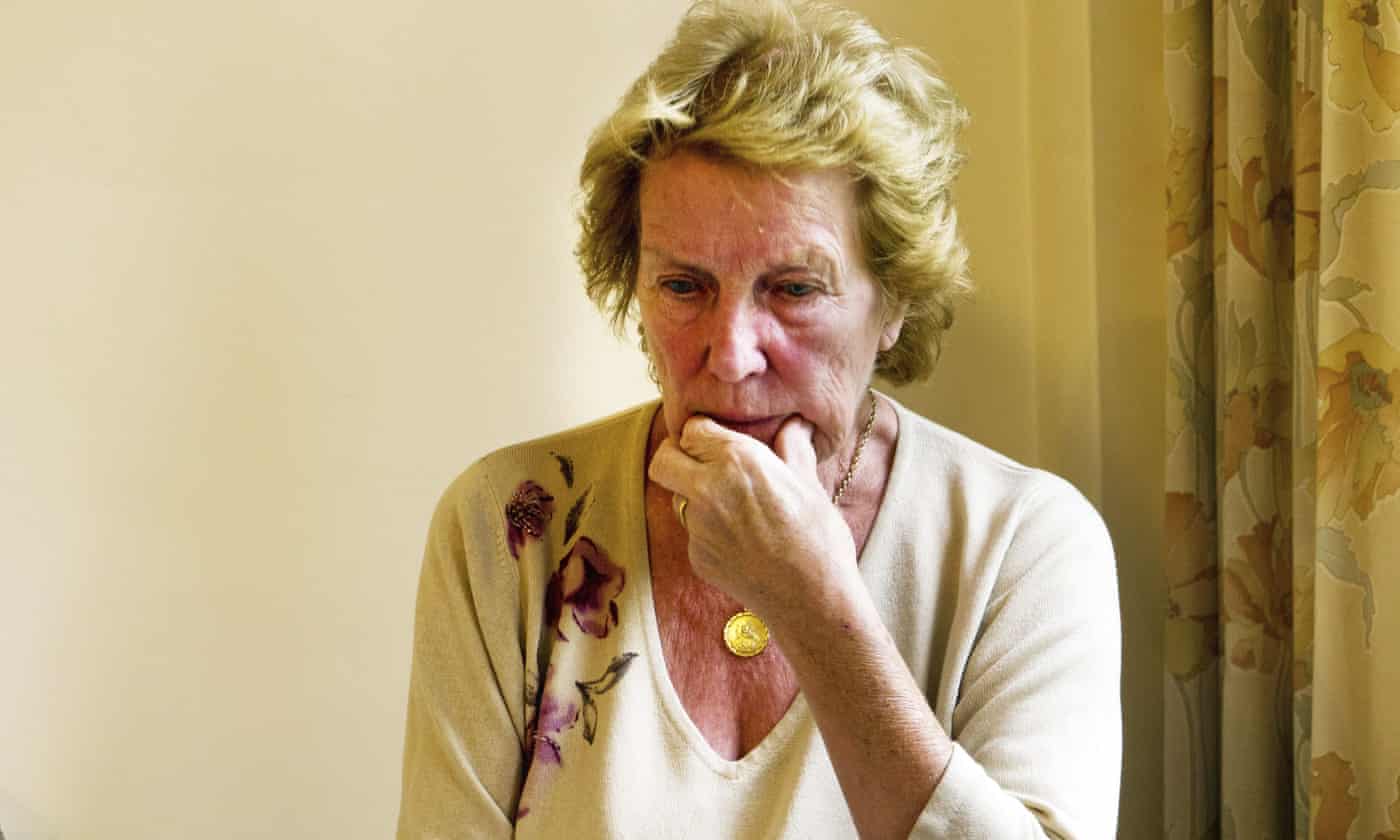
Understanding Dementia
-
 Loading...
 - Rafael Krause
- 13 Aug 2024
- 60 Views
- 0 Like
- 0 Comment
Dementia is a complex and multifaceted condition that affects millions of people worldwide. It is a broad term that describes a decline in cognitive function, including memory loss, difficulty with communication, problem-solving, and other thinking abilities. Dementia is not a normal part of aging, and it is not a single disease, but rather a group of symptoms that can be caused by various underlying factors.
What is Dementia?
Dementia is a progressive condition that affects the brain, leading to a decline in cognitive function. It is characterized by a range of symptoms, including:
- Memory loss: Difficulty remembering recent events, learning new information, and recalling familiar words and names.
- Communication difficulties: Trouble with speaking, reading, and writing.
- Problem-solving difficulties: Trouble with abstract thinking, making decisions, and judging time and space.
- Mood changes: Depression, anxiety, agitation, and aggression.
- Personality changes: Changes in behavior, such as becoming passive, suspicious, or withdrawn.
Types of Dementia
There are several types of dementia, each with its own unique characteristics and underlying causes. The most common types of dementia include:
1. Alzheimer's disease: The most common type of dementia, accounting for 60-80% of cases. Alzheimer's disease is a progressive condition that affects memory, thinking, and behavior.
2. Vascular dementia: Caused by reduced blood flow to the brain, often as a result of a stroke or small vessel disease.
3. Lewy body dementia: Characterized by the presence of abnormal protein clumps called Lewy bodies in the brain.
4. Frontotemporal dementia: A group of diseases that affect the front and temporal lobes of the brain, leading to changes in personality, behavior, and language.
5. Mixed dementia: A combination of Alzheimer's disease and another type of dementia, such as vascular dementia.
Causes and Risk Factors
While the exact causes of dementia are still not fully understood, research has identified several risk factors that may contribute to the development of the condition. These include:
- Age: The risk of developing dementia increases with age, with most cases occurring in people over the age of 65.
- Family history: A person with a family history of dementia is more likely to develop the condition.
- Genetics: Certain genetic mutations, such as those that cause Alzheimer's disease, can increase the risk of developing dementia.
- Lifestyle factors: A sedentary lifestyle, poor diet, and lack of social engagement may contribute to the development of dementia.
- Medical conditions: Certain medical conditions, such as diabetes, high blood pressure, and stroke, may increase the risk of developing dementia.
Diagnosis and Treatment
Diagnosing dementia can be challenging, as the symptoms can be similar to those of other conditions. A comprehensive diagnosis typically involves a combination of:
- Medical history: A thorough review of the person's medical history and symptoms.
- Physical examination: A physical examination to rule out other potential causes of the symptoms.
- Cognitive and neuropsychological tests: Tests to assess cognitive function, such as memory, language, and problem-solving abilities.
- Imaging tests: Imaging tests, such as MRI or CT scans, to rule out other potential causes of the symptoms.
While there is currently no cure for dementia, there are several treatments available to manage the symptoms and slow the progression of the condition. These include:
- Medications: Cholinesterase inhibitors and memantine, which can help manage symptoms such as memory loss and confusion.
- Non-pharmacological interventions: Interventions such as cognitive training, behavioral therapy, and caregiver support.
- Lifestyle modifications: Encouraging a healthy lifestyle, including regular exercise, social engagement, and a balanced diet.
Living with Dementia
Living with dementia can be challenging, both for the person with the condition and their caregivers. However, with the right support and resources, it is possible to live a fulfilling and meaningful life with dementia. Here are some tips for living with dementia:
- Stay active: Regular exercise and physical activity can help manage symptoms and slow the progression of the condition.
- Stay engaged: Engage in activities that bring joy and meaning, such as hobbies, socializing, and volunteering.
- Seek support: Seek support from family, friends, and healthcare professionals to manage the emotional and practical challenges of living with dementia.
- Plan for the future: Plan for the future, including making advance care plans and arranging for ongoing care and support.
Conclusion
Dementia is a complex and multifaceted condition that affects millions of people worldwide. While there is currently no cure, there are several treatments available to manage the symptoms and slow the progression of the condition. By understanding the causes, risk factors, and symptoms of dementia, we can work towards creating a more supportive and inclusive environment for people living with the condition.