
Understanding Hydrogen Sulphide: Why Testing is Essential for Safety

Hydrogen sulphide (H₂S) is a colorless gas known for its distinct odor, often compared to that of rotten eggs. While it may seem innocuous in small amounts, this compound can pose severe health risks and environmental hazards.
Hydrogen sulphide (H₂S) is a colorless gas known for its distinct odor, often compared to that of rotten eggs. While it may seem innocuous in small amounts, this compound can pose severe health risks and environmental hazards. Therefore, understanding hydrogen sulphide and the importance of regular testing is crucial for safety in various settings, especially industrial ones.
What is Hydrogen Sulphide?
Hydrogen sulphide is produced naturally from the decay of organic matter and is also generated in various industrial processes, including petroleum refining, sewage treatment, and mining. Its presence in the environment can be detrimental, leading to potential health issues, including respiratory problems and even death in high concentrations.
The Dangers of Hydrogen Sulphide Exposure
Exposure to hydrogen sulphide test can be hazardous. At low concentrations, it can cause irritation to the eyes, nose, and throat. Prolonged exposure can lead to more severe health effects, including:
- Headaches and dizziness
- Nausea and vomiting
- Respiratory distress
- Loss of consciousness
In extreme cases, inhalation of high levels can be fatal. Thus, understanding the risks associated with hydrogen sulphide exposure underlines the importance of routine testing.
Why Hydrogen Sulphide Testing is Essential
- Safety Assurance
Regular hydrogen sulphide testing is vital in environments where the gas may be present. Identifying its concentration ensures that safety measures are in place to protect workers and the public from potential hazards. - Regulatory Compliance
Many industries are subject to strict regulations regarding the monitoring of hazardous gases. Conducting regular hydrogen sulphide tests helps ensure compliance with local and international safety standards. - Environmental Protection
Hydrogen sulphide can have devastating effects on ecosystems. Testing helps to monitor and mitigate its release into the environment, preserving local wildlife and plant life. - Preventive Maintenance
Regular testing can aid in identifying potential leaks or failures in equipment. This proactive approach can prevent catastrophic accidents and reduce downtime, saving businesses money in the long run. - Health Monitoring
In workplaces where hydrogen sulphide exposure is a risk, regular testing can help in assessing the overall health of employees. Identifying trends in exposure can inform training and safety protocol adjustments.
Testing Methods for Hydrogen Sulphide
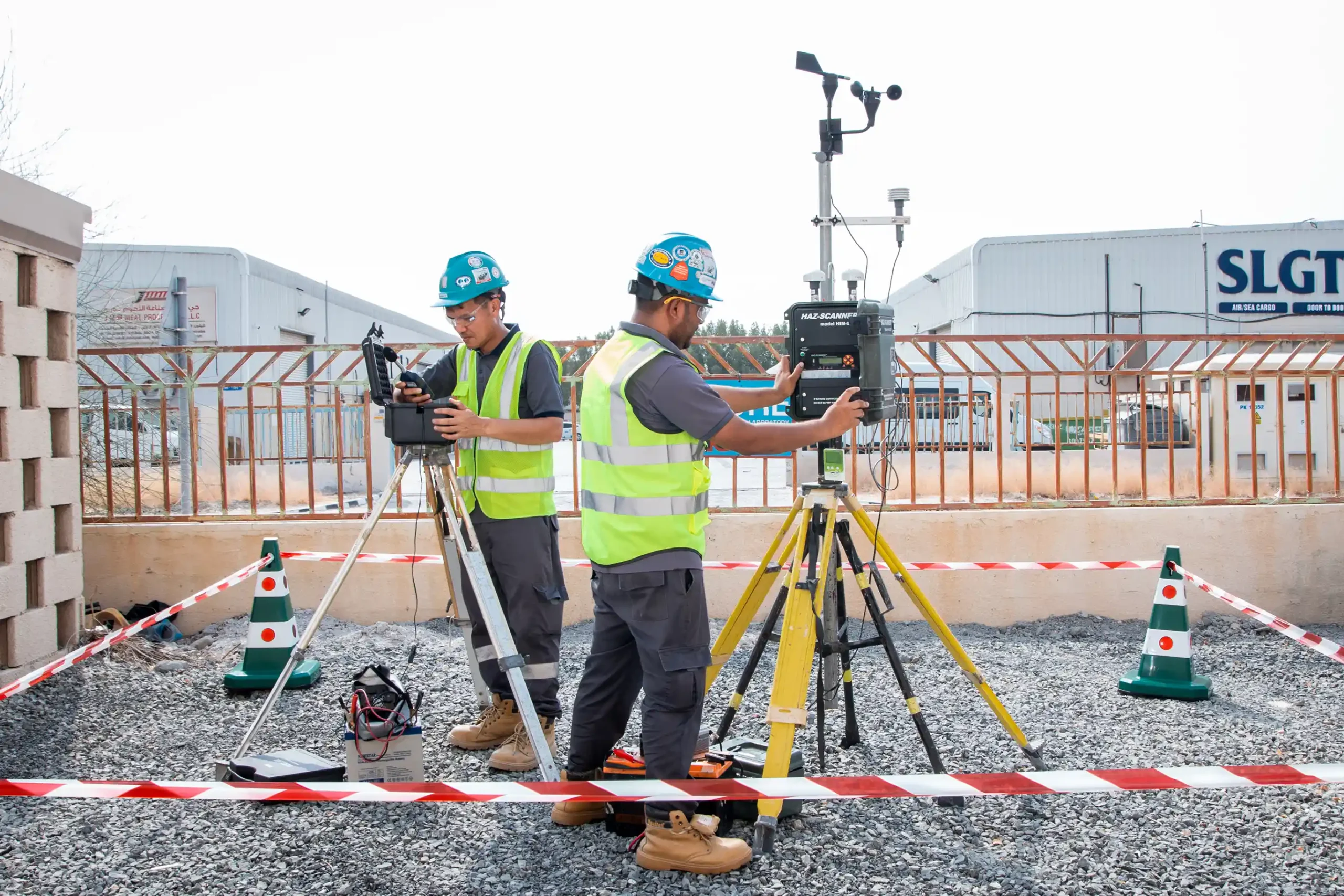
Several methods are available for conducting hydrogen sulphide tests, including:
- Colorimetric Tubes: These are simple, portable devices that provide immediate results.
- Electronic Detectors: Offering real-time monitoring, these devices can alert users to dangerous levels of hydrogen sulphide.
- Sampling and Laboratory Analysis: For more comprehensive results, samples can be collected and analyzed in a laboratory setting.
Conclusion
Understanding the significance of hydrogen sulphide testing is essential for ensuring safety in various environments. From protecting workers to safeguarding the environment, regular testing plays a crucial role in mitigating risks associated with this hazardous gas.
If you’re looking for reliable and accurate hydrogen sulphide testing solutions, consider partnering with CORE Laboratory. With advanced technology and expertise in environmental testing, CORE Laboratory can help ensure that you meet safety standards and protect both people and the environment from the dangers of hydrogen sulphide.


