Understanding Plastic Recycling Codes: What Can and Can’t Be Recycled?
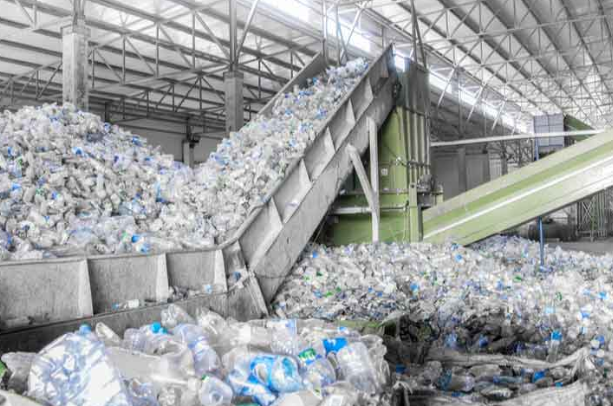
Plastic recycling plays a crucial role in reducing waste and conserving resources. However, not all plastics are created equal—some can be recycled easily, while others end up in landfills due to their composition. To help consumers and businesses make informed recycling decisions, plastic items are categorised using a numerical system known as recycling codes.
This guide explores plastic recycling codes, what they mean, and which types of plastics can and cannot be recycled. Understanding these codes can help reduce contamination in recycling streams and promote a more sustainable future.
What Are Plastic Recycling Codes?
Plastic recycling codes, also known as Resin Identification Codes (RIC), are numbers ranging from 1 to 7 found on plastic products, usually within a triangle of arrows. These numbers help identify the type of plastic used, making it easier to determine whether the item can be recycled.
Each number corresponds to a specific plastic resin, which has different recycling capabilities and environmental impacts. While some plastics are widely accepted by recycling facilities, others require specialised processing or are not recyclable at all.
The Seven Plastic Recycling Codes and Their Meanings
1. PET (Polyethylene Terephthalate)
Common Uses: Water bottles, soda bottles, food containers, polyester fabric.
Recyclability: PET is one of the most commonly recycled plastics. Many curbside recycling programs accept it, and it can be turned into new bottles, carpets, clothing, and other materials.
Recycling Tips: Rinse out bottles and remove caps before recycling.
2. HDPE (High-Density Polyethylene)
Common Uses: Milk jugs, detergent bottles, shampoo bottles, grocery bags.
Recyclability: HDPE is widely recycled and used to create new bottles, plastic lumber, and piping.
Recycling Tips: Clean containers before placing them in the recycling bin. Some areas have separate recycling programs for plastic bags.
3. PVC (Polyvinyl Chloride)
Common Uses: Plumbing pipes, vinyl flooring, cling wrap, medical tubing.
Recyclability: PVC is difficult to recycle due to the toxic chemicals used in its production. Most municipal recycling programs do not accept it.
Recycling Alternatives: Some specialised facilities may accept PVC, but it is best to reduce use when possible.
4. LDPE (Low-Density Polyethylene)
Common Uses: Bread bags, squeezable bottles, frozen food packaging, shopping bags.
Recyclability: While curbside programs often don’t accept LDPE, some grocery stores collect plastic bags and film for recycling.
Recycling Tips: Check for local drop-off points that accept LDPE plastics.
5. PP (Polypropylene)
Common Uses: Yogurt containers, straws, takeout containers, bottle caps.
Recyclability: PP is becoming more widely accepted in recycling programs and can be transformed into new containers, fibres, and auto parts.
Recycling Tips: Rinse food containers before recycling to prevent contamination.
6. PS (Polystyrene)
Common Uses: Styrofoam cups, packing peanuts, disposable plates, egg cartons.
Recyclability: Polystyrene is rarely recycled due to its lightweight structure and difficulty in processing. Most curbside programs do not accept it.
Recycling Alternatives: Look for mail-back programs or businesses that reuse packing peanuts.
7. Other (Mixed Plastics)
Common Uses: BPA-based plastics, polycarbonate, multilayer packaging, 3D printing filaments.
Recyclability: This category includes plastics that do not fit into the other six groups. Recycling varies depending on the specific material.
Recycling Tips: Check with local recycling centres to see if they accept specific types of #7 plastics.
What Plastics Can and Can’t Be Recycled?
Plastics That Are Commonly Recycled
- PET (#1) and HDPE (#2) are widely accepted in recycling programs.
- PP (#5) is increasingly being recycled in certain areas.
- LDPE (#4) can often be recycled through store drop-off programs.
Plastics That Are Hard to Recycle or Not Recyclable
- PVC (#3) and PS (#6) are rarely accepted in curbside recycling due to their chemical composition.
- Many mixed plastics (#7) require specialised recycling processes.
- Plastics contaminated with food, grease, or adhesives often cannot be recycled.
How to Improve Plastic Recycling Efforts
Reduce Contamination
One of the biggest challenges in recycling is contamination. Food residue, non-recyclable items, and mixed materials can ruin entire batches of recyclables. Always rinse containers and check local recycling guidelines before placing items in the bin.
Support Recycling Programs
Participating in store take-back programs, drop-off centres, and specialised recycling initiatives helps divert more plastics from landfills. Many retailers offer recycling for plastic bags, electronics, and other hard-to-recycle items.
Choose Sustainable Alternatives
Reducing plastic use is one of the best ways to combat plastic waste. Opt for reusable bags, bottles, and food containers whenever possible. Choosing products made from recycled materials also helps create a demand for recycled plastics.
Conclusion
Understanding codes for plastic recycling in Australia empowers consumers and businesses to make informed choices about waste management. While some plastics are widely recyclable, others pose challenges due to their chemical properties.
By following recycling guidelines, reducing contamination, and supporting sustainable practices like skip bin recycling, individuals can contribute to a more efficient and responsible recycling system. Small actions, such as properly sorting plastics and choosing eco-friendly alternatives, collectively make a significant impact on environmental conservation.


