'Until we meet again' by Netflix: is it true that in Quechua there is no such word goodbye?
-
 Loading...
 - Penelope Reynolds
- 05 Apr 2022
- 346 Views
- 0 Like
- 0 Comment
Friday, March 18, the first film made entirely in Peru under the production of Tondero was released on Netflix. 'Until we meet again' is the name of the feature film starring Stephanie Cayo and Maxi Iglesias.
The film tells the story of Salvador Compodónico, a successful Spanish businessman whose family owns a large hotel corporation in Spain. For the company's first international project, it flies to Cusco, the navel of the world. There he will meet Ariana, a backpacker and adventurous woman who wants to continue developing her life in complete freedom.
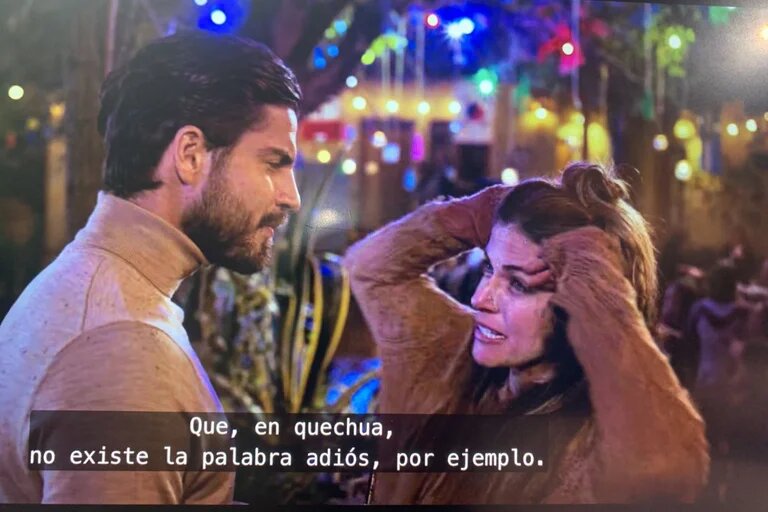
The name of the film is due to the fact that the protagonist points out that in the Quechua language there is no such word goodbye. And the closest thing is to say “Tupananchiskama”, which means “until we meet again”.
How real is this statement? Quechua experts came to the forefront on social networks to set the record straight. San Marquino Américo Mendoza, professor of indigenous studies at Harvard and researchers in Quechua, expressed his concern on Twitter. He points out that the film, with a wide range of audiences, replicates “exoticizing (and incorrect) conceptions about the Quechua language and Andean culture. What happened to Netflix?”
He adds that as someone who has been a cultural consultant for film and theater, it is important to clarify that those who plan these things are in charge of production, in this case Netflix and Tondero, and not in the cast of actors.
THE USE OF GOODBYE
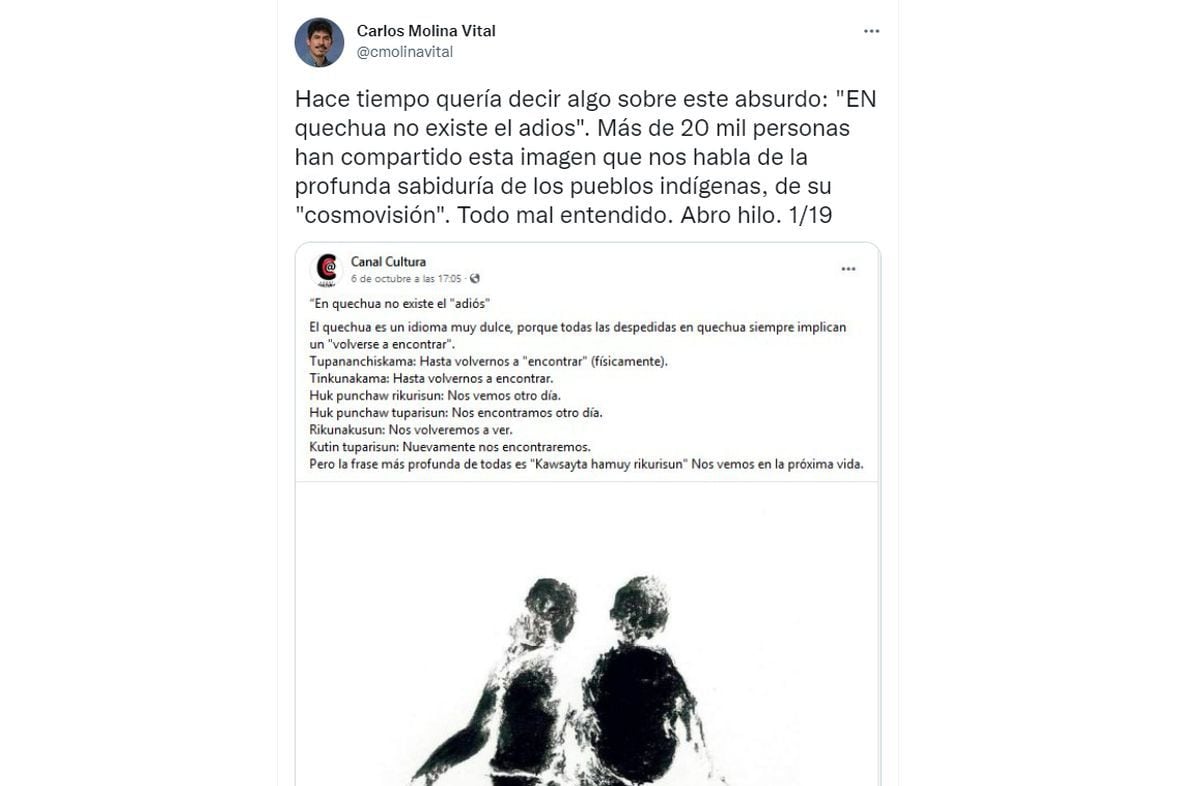
Reference is also made to Carlos Molina Vital, a professor, linguist and researcher of Quechua, based in the United States. In October 2021, Molina made a thread on Twitter where she says that it is absurd to say that goodbye does not exist in Quechua. “I have long wanted to say something about this absurdity,” he says and shares a meme that shows the same theory that is shared in the Netflix production. “More than 20 thousand people have shared this image that tells us about the profound wisdom of indigenous peoples, their 'worldview'. All misunderstood.”
He points out that the word “goodbye” has a clearly pragmatic meaning: it has no referential meaning such as' house ',' cat 'or 'bed'. The word is only understood as part of an interaction sequence in which someone closes the interaction, Molina explains. Read More…