Urgent Action Needed to Address Decline in UK Crab and Lobster Populations
-
 Loading...
 - Abel Mabbot
- 09 Oct 2024
- 57 Views
- 0 Like
- 0 Comment
The Marine Conservation Society (MCS) has raised alarms over the declining populations of crab and lobster in the UK, urging the government to take immediate action. The latest updates to the MCS's Good Fish Guide have highlighted a worrying trend, with crab and lobster among nearly 30 species downgraded on the sustainability scale this season.
Despite maintaining an overall 'amber' rating, indicating that improvements are needed, crab fisheries in regions such as Northumberland, Kent and Essex, Southern, Isle of Scilly, and Devon have received lower scores. This has prompted calls for urgent government intervention from the MCS, the UK's leading ocean membership charity.
Out of 146 ratings updated this autumn, 29 species have moved down the sustainability scale, while only ten have improved. The Good Fish Guide now includes 26 ratings for brown crab and 28 for European lobster caught in UK waters.
Kenneth Bodles, head of innovative conservation at the MCS, emphasized the potential for crab and lobster to become flagship species for sustainable fishing in the UK, supporting local communities. However, he stressed the need for consistent management measures across the country to achieve this goal.
The Good Fish Guide uses a traffic light system to help consumers and businesses make sustainable seafood choices. Currently, the UK has only one green-rated crab fishery in Shetland and one green-rated lobster fishery in Jersey, which the MCS cites as examples of sustainable practices.
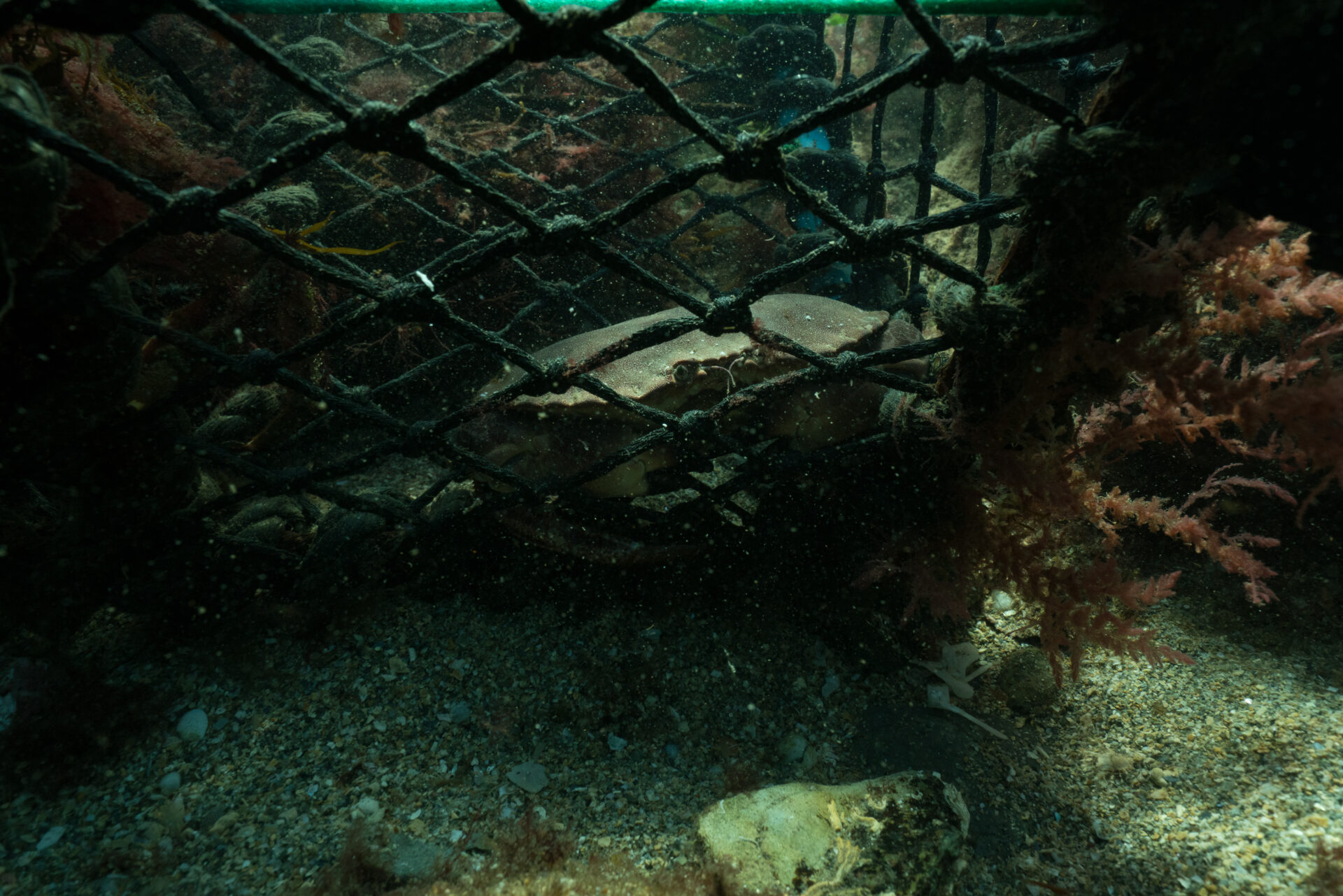
Shellfish are typically caught using baited pots, traps, or creels, which can be sustainable if managed properly. However, the lack of national regulations on pot numbers and catch limits poses a challenge. The UK Government's Fisheries Management Plan (FMP) for crab and lobster, published last December, aims to assess and restore stocks, but the MCS argues that it lacks clear measures and timelines.
Alice Moore, Good Fish Guide manager at the MCS, called for better management measures across the UK, noting that the FMP does not go far enough. She pointed to the successful management of fisheries in Shetland and Jersey as evidence that sustainable fishing is achievable.
A report by Greenpeace International in July highlighted the global failure of fisheries management over the past 70 years, with 35.4% of assessed fish stocks now severely overfished. The report advocates for the Global Ocean Treaty, adopted in June 2023, to address the ocean crisis and work with Regional Fisheries Management Organisations (RFMOs) to improve the situation.
Reshima Sharma, a political campaigner at Greenpeace UK, urged the UK government to sign the treaty into law and protect at least 30% of the world's oceans by the end of the decade, reinforcing the UK's position as a leader in ocean protection.