US Foreign Policy in 2026: Trump, Greenland, NATO & Iran Protests — Analysis
-
 Loading...
 - Ava Candace
- 15 Jan 2026
- 5 Views
- 2 Like
- 0 Comment
In early 2026, global geopolitics are sharply focused on a set of interconnected events involving former U.S. President Donald Trump, Greenland, NATO, and the ongoing Iran protests. These developments have sparked international debate over security, sovereignty, and diplomatic alliances.
Trump’s Renewed Push for Greenland
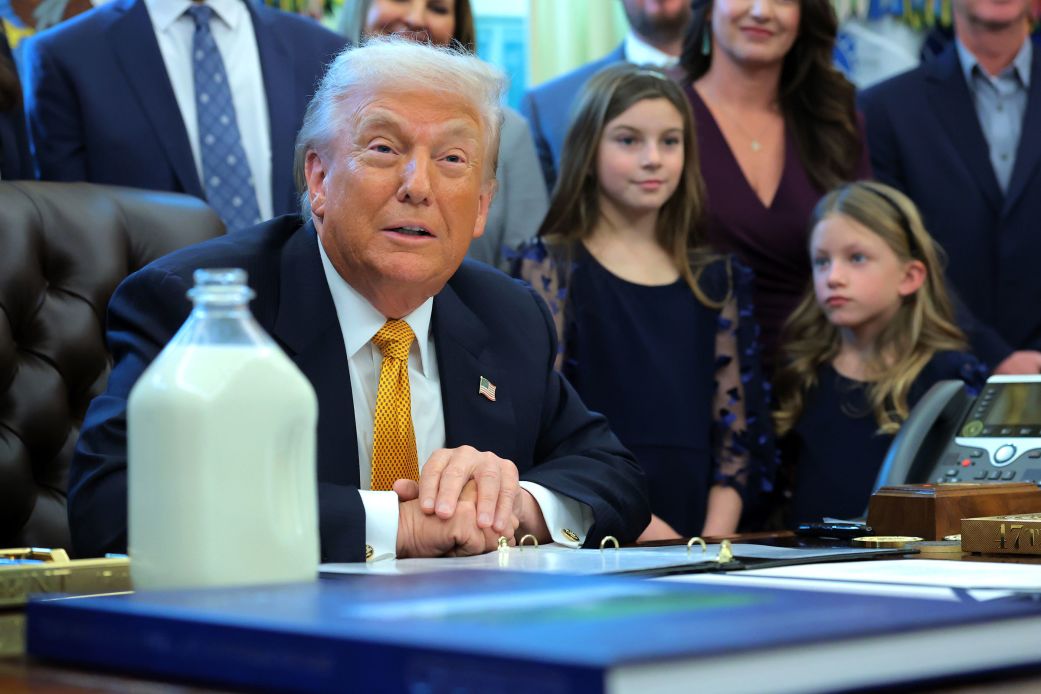
Former President Donald Trump has doubled down on his controversial insistence that the United States needs Greenland under American control, framing the move as essential for national security and the effectiveness of NATO. Trump publicly stated that “anything less than U.S. control of Greenland is unacceptable,” arguing that the alliance would be “more formidable” with Greenland under U.S. jurisdiction and that failing to secure it could open the door for Russia and China to fill the void.
This push has intensified diplomatic tensions between the U.S. and its NATO allies. Greenland is a self‑governing territory of Denmark and firmly opposed to becoming part of the United States. Greenland’s Prime Minister Jens‑Frederik Nielsen has stated clearly that the island chooses to remain aligned with Denmark, NATO, and the European Union.
Several European leaders, including those from Denmark, France, Germany, Italy, Poland, Spain, and the UK, have issued statements backing Greenland’s sovereignty and rejecting any attempt to infringe on Denmark’s territorial rights.
NATO and Geopolitical Strain
The U.S. drive toward Greenland has put pressure on NATO, an alliance based on mutual defense, because Greenland is already protected under NATO through Denmark. Danish officials have warned that any military attempt to seize the island could undermine or even end NATO cooperation.
In response, several NATO countries have dispatched military personnel to Greenland for joint exercises with Danish forces, showing support for Denmark’s stance and reinforcing the region’s defense infrastructure. France, Germany, Norway, Sweden, and other allies have participated in these deployments.
In Washington, high‑level talks involving U.S., Danish, and Greenlandic officials aimed at easing the dispute highlighted deep disagreements over the island’s future.
Iran Protests and US Reaction
Meanwhile, Iran has been experiencing widespread protests across many cities as citizens demonstrate against economic hardship, inflation, and political grievances. These protests have drawn international attention due to reports of a heavy government crackdown and thousands of arrests.
In response to the unrest, President Trump threatened possible U.S. military responses if Iranian authorities violently suppressed peaceful demonstrators, emphasizing that the United States was “ready to go” with strong options. However, there have also been reports that Trump recently pulled back on threats of direct military strikes, citing assurances that Iranian security forces would stop killings of protesters.
Polling data indicates strong opposition among Americans to U.S. military involvement in Iran. A Quinnipiac poll shows that roughly 70 % of voters oppose military action in Iran and believe the president should seek congressional approval for any such action.
Global Reaction and Public Opinion
The developments surrounding Greenland and Iran reflect broader global reactions to U.S. foreign policy. European governments have rallied behind Danish and Greenlandic sovereignty, while public opinion in the United States shows skepticism about assertive foreign military action.
Many analysts describe Trump’s approach as highly assertive and unilateral, raising concerns about the stability of long‑standing alliances and the future of international cooperation on security issues.
Conclusion
The unfolding situation with Trump’s Greenland plan, NATO tensions, and Iran protests highlights the complexity of modern geopolitics. As world leaders, international organizations, and everyday citizens react to these developments, the balance between security, sovereignty, and diplomacy remains at the forefront of global discussions.