US inflation jumped 8.5 percent in past year, highest since 1981
-
 Loading...
 - Thomas Thorn
- 12 Apr 2022
- 319 Views
- 0 Like
- 0 Comment
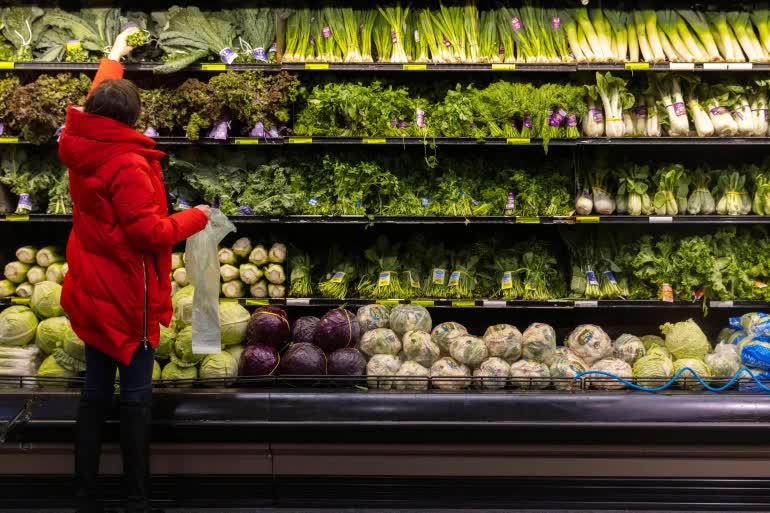
Inflation soared over the past year at its fastest pace in more than 40 years, with costs for food, gasoline, housing and other necessities squeezing American consumers and wiping out the pay raises that many people have received.
The Labor Department said Tuesday that its consumer price index jumped 8.5 percent in March from 12 months earlier — the biggest year-over-year increase since December 1981. Prices have been driven up by bottlenecked supply chains, robust consumer demand and disruptions to global food and energy markets worsened by Russia’s war against Ukraine.
The government’s report also showed that inflation rose 1.2 percent from February to March, up from a 0.8 percent increase from January to February.
The March inflation numbers were the first to capture the full surge in gasoline prices that followed Russia’s invasion of Ukraine on February 24. Moscow’s brutal attacks have triggered far-reaching Western sanctions against the Russian economy and have disrupted global food and energy markets. According to AAA, the average price of a gallon of gasoline — $4.10 — is up 43 percent from a year ago, though it has fallen back in the past couple of weeks.
The escalation of energy prices has led to higher transportation costs for the shipment of goods and components across the economy, which, in turn, has contributed to higher prices for consumers.
The latest evidence of accelerating prices will solidify expectations that the Federal Reserve will raise interest rates aggressively in the coming months to try to slow borrowing and spending and tame inflation. The financial markets now foresee much steeper rate hikes this year than Fed officials had signaled as recently as last month.
Even before Russia’s war further spurred price increases, robust consumer spending, steady pay raises and chronic supply shortages had sent US consumer inflation to its highest level in four decades. In addition, housing costs, which make up about a third of the consumer price index, have escalated, a trend that seems unlikely to reverse anytime soon.
Economists point out that as the economy has emerged from the depths of the pandemic, consumers have been gradually broadening their spending beyond goods to include more services. A result is that high inflation, which at first had reflected mainly a shortage of goods — from cars and furniture to electronics and sports equipment — has been emerging in services, too, like travel, health care and entertainment.
The expected fast pace of the Fed’s rate increases will make loans sharply more expensive for consumers and businesses. Mortgage rates, in particular, though not directly influenced by the Fed, have rocketed higher in recent weeks, making home buying more expensive. Many economists say they worry that the Fed has waited too long to begin raising rates and might end up acting so aggressively as to trigger a recession.
For now, the economy as a whole remains solid, with unemployment near 50-year lows and job openings near record highs. Still, rocketing inflation, with its impact on Americans’ daily lives, is posing a political threat to President Joe Biden and his Democratic allies as they seek to keep control of Congress in November’s midterm elections.
Economists generally express doubt that even the sharp rate hikes that are expected from the Fed will manage to reduce inflation anywhere near the central bank’s 2 percent annual target by the end of this year. Tilley, Wilmington Trust economist, said he expects year-over-year consumer inflation to still be 4.5 percent by the end of 2020. Before Russia’s invasion of Ukraine, he had forecast a much lower 3 percent rate. Read More...