US Supreme Court allows emergency abortions in Idaho for now
-
 Loading...
 - Chantel Jonkers
- 28 Jun 2024
- 60 Views
- 0 Like
- 0 Comment
Supreme Court Ruling on Emergency Abortions in Idaho
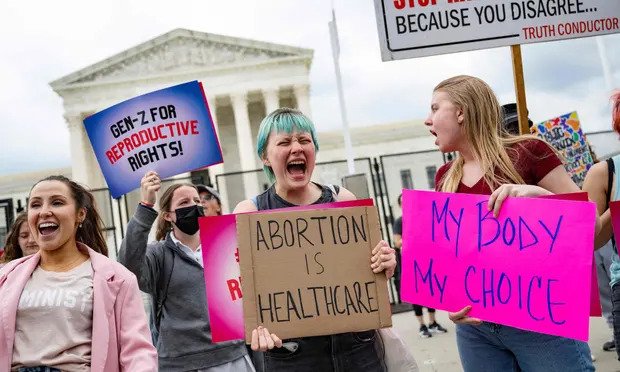
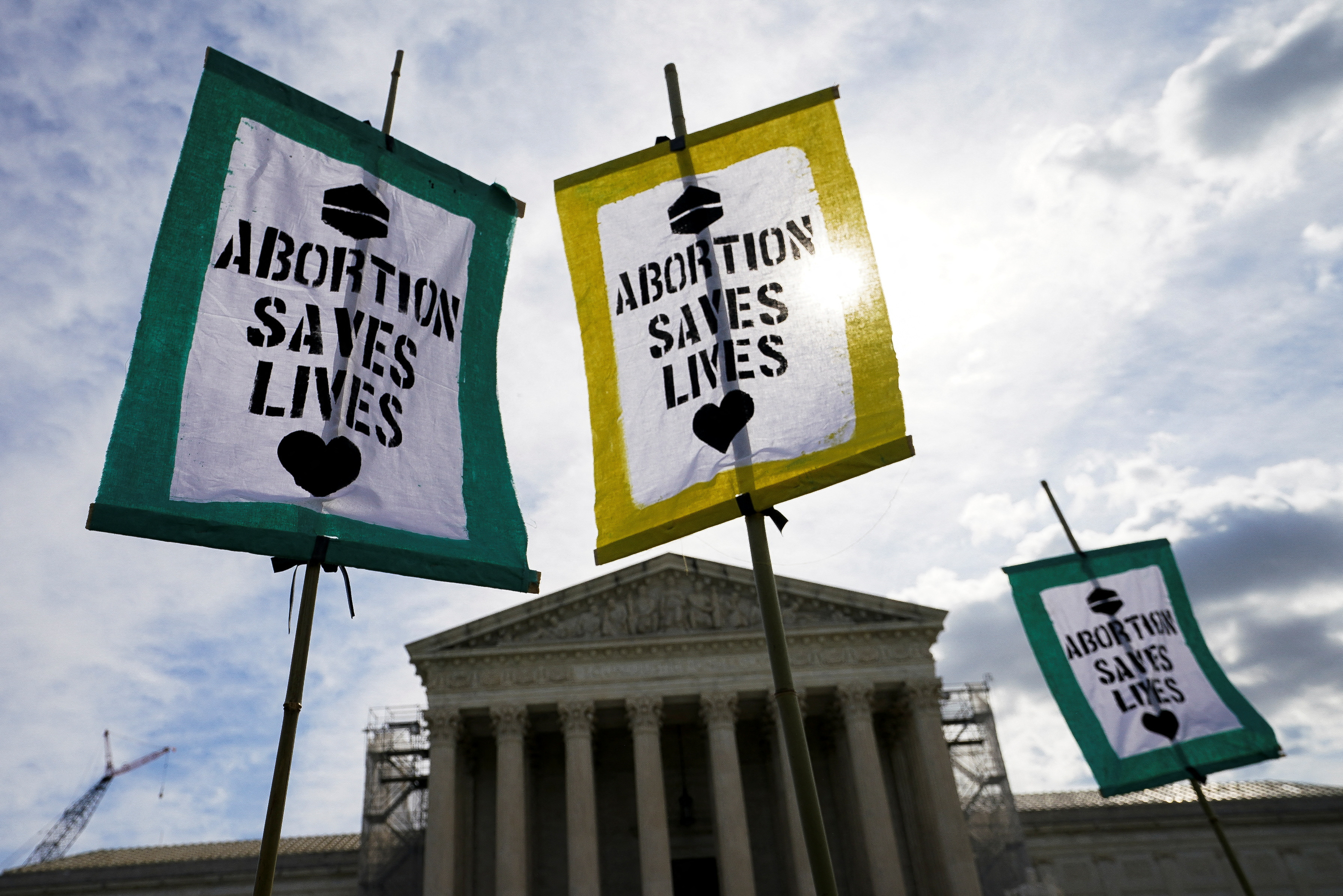
The U.S. Supreme Court has ruled to permit abortions to be performed in Idaho when pregnant women face medical emergencies, despite the state's near-total abortion ban. This decision comes as the justices refrained from resolving the underlying legal issue, focusing instead on immediate healthcare needs.
Key Points of the Ruling
Emergency Medical Treatment and Labor Act (EMTALA):
The court's 6-3 decision revives a federal judge's ruling that the 1986 EMTALA law, which requires hospitals receiving Medicare funds to "stabilize" patients with emergency medical conditions, takes precedence over Idaho's restrictive abortion laws.
Temporary Relief:
The ruling ensures that women in Idaho can access necessary emergency medical care while the case returns to the lower courts. President Joe Biden emphasized the importance of not denying essential care to women, linking the ruling to broader issues since the overturning of Roe v. Wade.
Political Context:
Biden's administration sued Idaho over its abortion ban, and the issue has become a central theme in his re-election campaign. Biden contrasts his stance with that of former President Donald Trump, who appointed three of the six justices who overturned Roe v. Wade in 2022.
Legal and Political Reactions:
Idaho's Republican officials hope the lower courts will uphold their state's law. Conversely, Liberal Justice Ketanji Brown Jackson expressed disappointment that the Supreme Court did not take a definitive stance on the law's requirements, leaving uncertainty in its wake.
Broader Implications
State Abortion Laws:
Following the reversal of Roe v. Wade, several Republican-led states enacted stringent abortion bans, often without exceptions for the health of pregnant women. This ruling brings temporary relief but leaves many questions unanswered about the interplay between state laws and federal requirements.
Medical Necessity:
Medical experts assert that conditions threatening a woman's life, such as gestational hypertension or excessive bleeding, may necessitate an abortion to stabilize the patient and prevent severe health complications.
Public Opinion
- Widespread Support:
A May Reuters/Ipsos poll indicated that 82% of registered voters, including a majority of both Democrats and Republicans, support permitting abortions to protect a pregnant patient facing a medical emergency.
Future Considerations
Ongoing Legal Battles:
-The Supreme Court's decision to dismiss the case as "improvidently granted" means it returns to the 9th U.S. Circuit Court of Appeals for further consideration. This ongoing legal process will continue to shape the landscape of abortion rights and healthcare laws in the United States.
Potential for Re-evaluation:
The unresolved legal questions may lead to further court battles and potential reevaluation by the Supreme Court, particularly regarding the balance between state restrictions and federal healthcare mandates under EMTALA.
In summary, the Supreme Court's ruling temporarily allows emergency abortions in Idaho, underscoring the complex and contentious nature of abortion laws in the post-Roe era. The decision highlights the ongoing conflict between state restrictions and federal mandates aimed at protecting patients' health.
Reactions and Statements
Political Reactions:
-President Joe Biden: In a statement following the ruling, Biden expressed relief that women in Idaho can access emergency medical care, but lamented the broader implications of restrictive state laws since the reversal of Roe v. Wade. He reiterated that no woman should have to leave her state to receive necessary healthcare.
-Mike Moyle: The Republican speaker of the Idaho House of Representatives expressed optimism that lower courts would uphold Idaho’s near-total abortion ban, allowing the state to govern itself according to its democratically enacted laws.
-Justice Ketanji Brown Jackson: Jackson criticized the Supreme Court for not resolving the case on its merits, arguing that the court missed an opportunity to provide clarity and certainty. She emphasized that the decision leaves pregnant patients in Idaho and other states vulnerable.
Legal and Advocacy Group Responses:
-Constitutional Accountability Center: Miriam Becker-Cohen of the liberal legal group said the court’s order was a partial remedy but failed to ensure long-term access to necessary medical abortions.
-Heartbeat International: Danielle White, general counsel for the anti-abortion group, expressed disappointment that the ruling did not settle the question of whether states must adopt a broad interpretation of EMTALA that could undermine state abortion bans.
Implications for Abortion Rights
The ruling has several significant implications for the future of abortion rights and healthcare:
Legal Precedents and Future Cases:
-The unresolved questions about the interaction between state abortion bans and federal healthcare mandates suggest that similar cases may arise in the future, potentially requiring further Supreme Court intervention.
Impact on Medical Practice:
-Medical professionals in states with strict abortion laws may face legal and ethical dilemmas when treating pregnant patients with life-threatening conditions, balancing state restrictions with federal requirements to provide emergency care.
Political Strategy and Campaigns:
-Abortion rights remain a pivotal issue in U.S. politics, influencing election campaigns and voter sentiments. Biden’s administration is likely to continue using the issue to mobilize support, while Republican candidates may face pressure to clarify their positions on exceptions for medical emergencies.
Broader Context and Statistics
-Public Opinion: The Reuters/Ipsos poll underscores broad public support for allowing abortions in medical emergencies, reflecting a significant divide between public sentiment and the legislative actions in some states.
-Historical Context: The reversal of Roe v. Wade marked a significant shift in U.S. abortion policy, leading to a patchwork of state laws that vary widely in their restrictions and protections for abortion access.
Future Developments
As the case moves to the 9th U.S. Circuit Court of Appeals, several key developments are anticipated:
-Lower Court Rulings: The appellate court’s decision will be closely watched for its interpretation of EMTALA and its implications for state abortion laws.
-Potential Supreme Court Re-evaluation: If the appellate court’s ruling is appealed, the Supreme Court may have another opportunity to address the unresolved legal questions, potentially setting a more definitive precedent.
-State Legislative Actions: States with restrictive abortion laws may revise their statutes in response to ongoing legal challenges and public opinion, aiming to balance state sovereignty with federal mandates and healthcare needs.
The U.S. Supreme Court’s decision to allow emergency abortions in Idaho, albeit temporarily, highlights the ongoing legal and ethical battles over abortion rights in the United States. As the case progresses through the lower courts, its outcomes will have significant implications for healthcare providers, patients, and the broader political landscape. The ruling underscores the complex interplay between state and federal laws, public opinion, and the evolving legal framework governing reproductive rights.