Home Upload Photo Upload Videos Write a Blog Analytics Messaging Streaming Create Adverts Creators Program
Bebuzee Afghanistan Bebuzee Albania Bebuzee Algeria Bebuzee Andorra Bebuzee Angola Bebuzee Antigua and Barbuda Bebuzee Argentina Bebuzee Armenia Bebuzee Australia Bebuzee Austria Bebuzee Azerbaijan Bebuzee Bahamas Bebuzee Bahrain Bebuzee Bangladesh Bebuzee Barbados Bebuzee Belarus Bebuzee Belgium Bebuzee Belize Bebuzee Benin Bebuzee Bhutan Bebuzee Bolivia Bebuzee Bosnia and Herzegovina Bebuzee Botswana Bebuzee Brazil Bebuzee Brunei Bebuzee Bulgaria Bebuzee Burkina Faso Bebuzee Burundi Bebuzee Cabo Verde Bebuzee Cambodia Bebuzee Cameroon Bebuzee Canada Bebuzee Central African Republic Bebuzee Chad Bebuzee Chile Bebuzee China Bebuzee Colombia Bebuzee Comoros Bebuzee Costa Rica Bebuzee Côte d'Ivoire Bebuzee Croatia Bebuzee Cuba Bebuzee Cyprus Bebuzee Czech Republic Bebuzee Democratic Republic of the Congo Bebuzee Denmark Bebuzee Djibouti Bebuzee Dominica Bebuzee Dominican Republic Bebuzee Ecuador Bebuzee Egypt Bebuzee El Salvador Bebuzee Equatorial Guinea Bebuzee Eritrea Bebuzee Estonia Bebuzee Eswatini Bebuzee Ethiopia Bebuzee Fiji Bebuzee Finland Bebuzee France Bebuzee Gabon Bebuzee Gambia Bebuzee Georgia Bebuzee Germany Bebuzee Ghana Bebuzee Greece Bebuzee Grenada Bebuzee Guatemala Bebuzee Guinea Bebuzee Guinea-Bissau Bebuzee Guyana Bebuzee Haiti Bebuzee Honduras Bebuzee Hong Kong Bebuzee Hungary Bebuzee Iceland Bebuzee India Bebuzee Indonesia Bebuzee Iran Bebuzee Iraq Bebuzee Ireland Bebuzee Israel Bebuzee Italy Bebuzee Jamaica Bebuzee Japan Bebuzee Jordan Bebuzee Kazakhstan Bebuzee Kenya Bebuzee Kiribati Bebuzee Kuwait Bebuzee Kyrgyzstan Bebuzee Laos Bebuzee Latvia Bebuzee Lebanon Bebuzee Lesotho Bebuzee Liberia Bebuzee Libya Bebuzee Liechtenstein Bebuzee Lithuania Bebuzee Luxembourg Bebuzee Madagascar Bebuzee Malawi Bebuzee Malaysia Bebuzee Maldives Bebuzee Mali Bebuzee Malta Bebuzee Marshall Islands Bebuzee Mauritania Bebuzee Mauritius Bebuzee Mexico Bebuzee Micronesia Bebuzee Moldova Bebuzee Monaco Bebuzee Mongolia Bebuzee Montenegro Bebuzee Morocco Bebuzee Mozambique Bebuzee Myanmar Bebuzee Namibia Bebuzee Nauru Bebuzee Nepal Bebuzee Netherlands Bebuzee New Zealand Bebuzee Nicaragua Bebuzee Niger Bebuzee Nigeria Bebuzee North Korea Bebuzee North Macedonia Bebuzee Norway Bebuzee Oman Bebuzee Pakistan Bebuzee Palau Bebuzee Panama Bebuzee Papua New Guinea Bebuzee Paraguay Bebuzee Peru Bebuzee Philippines Bebuzee Poland Bebuzee Portugal Bebuzee Qatar Bebuzee Republic of the Congo Bebuzee Romania Bebuzee Russia Bebuzee Rwanda Bebuzee Saint Kitts and Nevis Bebuzee Saint Lucia Bebuzee Saint Vincent and the Grenadines Bebuzee Samoa Bebuzee San Marino Bebuzee São Tomé and Príncipe Bebuzee Saudi Arabia Bebuzee Senegal Bebuzee Serbia Bebuzee Seychelles Bebuzee Sierra Leone Bebuzee Singapore Bebuzee Slovakia Bebuzee Slovenia Bebuzee Solomon Islands Bebuzee Somalia Bebuzee South Africa Bebuzee South Korea Bebuzee South Sudan Bebuzee Spain Bebuzee Sri Lanka Bebuzee Sudan Bebuzee Suriname Bebuzee Sweden Bebuzee Switzerland Bebuzee Syria Bebuzee Taiwan Bebuzee Tajikistan Bebuzee Tanzania Bebuzee Thailand Bebuzee Timor-Leste Bebuzee Togo Bebuzee Tonga Bebuzee Trinidad and Tobago Bebuzee Tunisia Bebuzee Turkey Bebuzee Turkmenistan Bebuzee Tuvalu Bebuzee Uganda Bebuzee Ukraine Bebuzee United Arab Emirates Bebuzee United Kingdom Bebuzee Uruguay Bebuzee Uzbekistan Bebuzee Vanuatu Bebuzee Venezuela Bebuzee Vietnam Bebuzee World Wide Bebuzee Yemen Bebuzee Zambia Bebuzee Zimbabwe
Blog Image

U.S. Task Force to consider routine kidney disease screening

An influential U.S. panel has added screening for chronic kidney disease (CKD) to its list of preventive services under active consideration, the group's chair told Reuters, a move that could help identify patients eligible for new drugs that treat the disease earlier.

The U.S. Preventive Services Task Force (USPSTF) last addressed the issue in 2012, finding insufficient evidence to assess routine screening for CKD in asymptomatic adults. That conclusion does not reflect the latest science and is now inactive, Dr. Carol Mangione, chair of the government-backed panel, said in an email.

The change has not been announced in any public forums, a USPSTF spokesperson confirmed.

A potential update is being driven in part by new drugs that can slow progression of a disease with no symptoms in its early stages but that can lead to kidney failure, which is fatal without dialysis filtering or a kidney transplant.

"For a screening to help people live longer, healthier lives, clinicians must be able to treat the condition once it is found. The existence of effective treatments is one of many important factors that the Task Force considers,” Mangione said.

Newer type 2 diabetes treatments known as SGLT2 inhibitors that work by prompting the kidneys to expel excess blood sugar through urine have been shown to have separate beneficial effects on the heart and kidneys.

AstraZeneca's (AZN.L) Farxiga won U.S. approval last year to slow progression of early-stage kidney disease. A large trial of Eli Lilly (LLY.N) and Boehringer Ingelheim's Jardiance was stopped in March after it became clear the drug was beneficial for kidney disease patients.

The National Kidney Foundation estimates that 37 million people in the United States have kidney disease, but around 90% do not know they have it. About 800,000 are living with end-stage renal disease, requiring dialysis or a transplant to stay alive.

"Most of kidney and cardiovascular disease is silent ... until something happens and then it is catastrophic," said Dr. Anjay Rastogi, director of the University of California Los Angeles kidney health program.

USPSTF recommendations typically trigger insurance coverage for diagnostic testing. Once the panel prioritizes an update of its screening recommendation, it would create a draft plan and post it for public comment. The full process could take as long as three years.

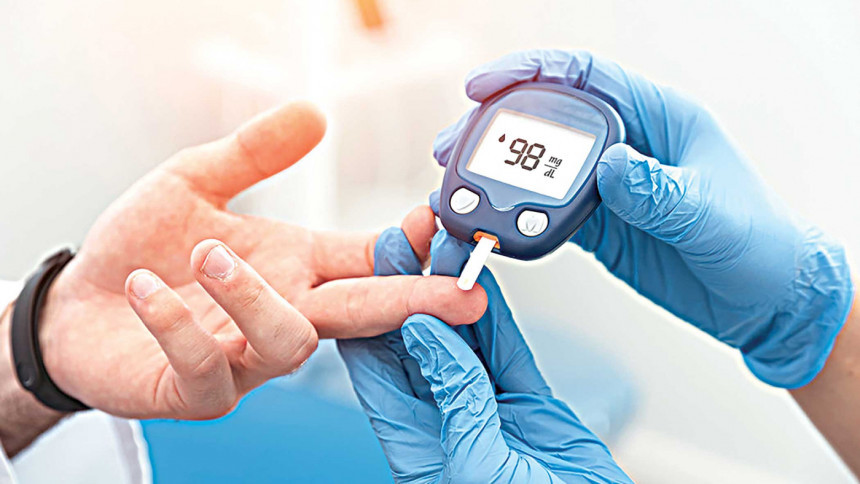
People with conditions such as hypertension and diabetes are at high risk of kidney disease, and several medical societies already recommend screening them for CKD. Diabetes is the leading cause of kidney failure, accounting for about 40% of new cases, the Kidney Foundation estimates.

OLDER DRUGS, 'DISMALLY LOW' USE

Until recently, treatment for those identified with early CKD consisted largely of decades-old blood pressure medicines.

Because many cases go undetected, use of these older drugs "is dismally low" at around 25% to 40% of CKD patients, said Dr. Katherine Tuttle, a kidney disease expert at the University of Washington in Seattle.  Read More...

Previous Post

Third possible case of monkeypox found in the U.S.

Next Post

Focus on coping, not curing: how to help an anxious child

Comments