Use Quality Source To Gain Information About Lvt Flooring
-
 Loading...
 - croawverawver
- 16 Aug 2024
- 63 Views
- 0 Like
- 0 Comment

When choosing LVT flooring for a space, there are numerous choices available to you. Selecting something that satisfies both your design brief and desired aesthetic is essential.
Durability, performance and installation options are also crucial considerations. For instance, healthcare environments often entail rolling and static loads that need to be endured by product constructions.
What is LVT?
LVT flooring combines the beauty and resilience of wood with vinyl's versatility for an ideal blend. Easy to maintain, waterproof, and highly resilient - LVT makes an excellent addition to homes, offices, and other commercial spaces alike.
Color can make an immediate statement in a room and adds visual interest without breaking the bank. Utilizing LVT for accented areas is an economical and attractive solution to highlight active or gathering zones.
LVT (Liquid Vinyl Tiles) are created when PVC (polyvinyl chloride) is heated and squeezed into sheets, then passed through a printing section where embossed visuals of stone or wood can be printed onto it, protected with clear coating for stain-resistance, then backed with PVC for strength and stability. Some rigid core products like Mannington Crown and City Park even feature sound abatement pads to increase comfort when listening to music; although floating LVT may be offered without needing for installations larger than small rooms.
What are the benefits of LVT?
LVT flooring has become an increasingly popular option among homeowners, providing them with an attractive alternative to hardwood and tile flooring. Constructed using durable waterproof material with decorative layers resembling natural materials like wood and stone. Furthermore, LVT requires minimal upkeep while offering numerous design choices and easy maintenance, making it a smart option for many homes.
Scratching LVT floors is often an issue, but you can reduce its effects by placing protective pads under furniture and adopting a no-shoe policy in the home. A combination of regular sweeping and mopping usually keeps lvt flooring looking as new.
LVT flooring is significantly easier to install than hardwood or tile floors, thanks to the click-and-lock installation methods used by MSI vinyl products. Most can even be easily assembled without professional help allowing for time and cost savings on installation costs. In addition, LVT features soft treading and in some types even comes equipped with extra layers designed to dampen footsteps for quieter living environments - perfect for family homes as well as being environmentally-friendly since no trees were cut down during production!
Where can I install LVT?
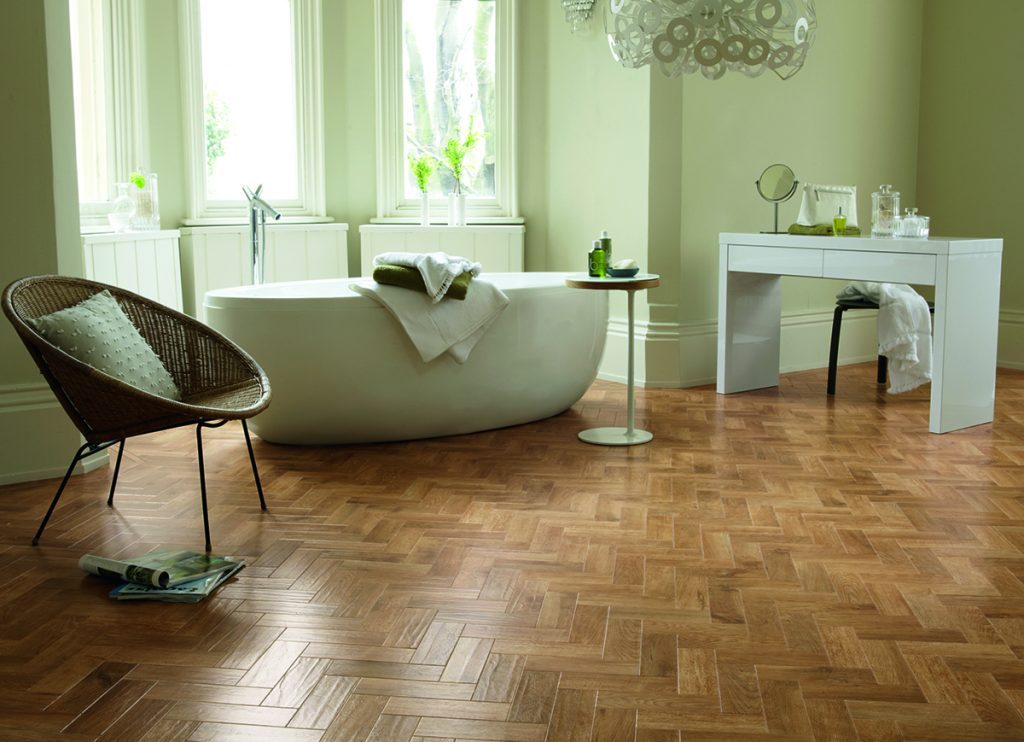
LVT flooring is both water-resistant and highly durable, making it the perfect choice for kitchens and bathrooms. Plus, maintenance requirements are minimal: just some occasional sweeping or mopping (avoid using harsh cleaners) will keep it looking its best!
LVP flooring can be easily installed over many surfaces, including existing floors. Installation methods range from glue-down to loose-lay.
Selecting an appropriate wear layer for your project is of utmost importance, with 12-mil products best suited for residential and light commercial settings, while 40-mil products should withstand heavier traffic loads and rolling loads. In addition, choose an adhesive that can withstand static and rolling load abuse to help avoid indentations caused by adhesive displacement and improper metering, helping prevent indented flooring. It is also vital that all manufacturer instructions and recommendations be strictly abided with in order to guarantee a proper and successful installation that saves both money, time, and headaches in the long run!