Home Upload Photo Upload Videos Write a Blog Analytics Messaging Streaming Create Adverts Creators Program
Bebuzee Afghanistan Bebuzee Albania Bebuzee Algeria Bebuzee Andorra Bebuzee Angola Bebuzee Antigua and Barbuda Bebuzee Argentina Bebuzee Armenia Bebuzee Australia Bebuzee Austria Bebuzee Azerbaijan Bebuzee Bahamas Bebuzee Bahrain Bebuzee Bangladesh Bebuzee Barbados Bebuzee Belarus Bebuzee Belgium Bebuzee Belize Bebuzee Benin Bebuzee Bhutan Bebuzee Bolivia Bebuzee Bosnia and Herzegovina Bebuzee Botswana Bebuzee Brazil Bebuzee Brunei Bebuzee Bulgaria Bebuzee Burkina Faso Bebuzee Burundi Bebuzee Cabo Verde Bebuzee Cambodia Bebuzee Cameroon Bebuzee Canada Bebuzee Central African Republic Bebuzee Chad Bebuzee Chile Bebuzee China Bebuzee Colombia Bebuzee Comoros Bebuzee Costa Rica Bebuzee Côte d'Ivoire Bebuzee Croatia Bebuzee Cuba Bebuzee Cyprus Bebuzee Czech Republic Bebuzee Democratic Republic of the Congo Bebuzee Denmark Bebuzee Djibouti Bebuzee Dominica Bebuzee Dominican Republic Bebuzee Ecuador Bebuzee Egypt Bebuzee El Salvador Bebuzee Equatorial Guinea Bebuzee Eritrea Bebuzee Estonia Bebuzee Eswatini Bebuzee Ethiopia Bebuzee Fiji Bebuzee Finland Bebuzee France Bebuzee Gabon Bebuzee Gambia Bebuzee Georgia Bebuzee Germany Bebuzee Ghana Bebuzee Greece Bebuzee Grenada Bebuzee Guatemala Bebuzee Guinea Bebuzee Guinea-Bissau Bebuzee Guyana Bebuzee Haiti Bebuzee Honduras Bebuzee Hong Kong Bebuzee Hungary Bebuzee Iceland Bebuzee India Bebuzee Indonesia Bebuzee Iran Bebuzee Iraq Bebuzee Ireland Bebuzee Israel Bebuzee Italy Bebuzee Jamaica Bebuzee Japan Bebuzee Jordan Bebuzee Kazakhstan Bebuzee Kenya Bebuzee Kiribati Bebuzee Kuwait Bebuzee Kyrgyzstan Bebuzee Laos Bebuzee Latvia Bebuzee Lebanon Bebuzee Lesotho Bebuzee Liberia Bebuzee Libya Bebuzee Liechtenstein Bebuzee Lithuania Bebuzee Luxembourg Bebuzee Madagascar Bebuzee Malawi Bebuzee Malaysia Bebuzee Maldives Bebuzee Mali Bebuzee Malta Bebuzee Marshall Islands Bebuzee Mauritania Bebuzee Mauritius Bebuzee Mexico Bebuzee Micronesia Bebuzee Moldova Bebuzee Monaco Bebuzee Mongolia Bebuzee Montenegro Bebuzee Morocco Bebuzee Mozambique Bebuzee Myanmar Bebuzee Namibia Bebuzee Nauru Bebuzee Nepal Bebuzee Netherlands Bebuzee New Zealand Bebuzee Nicaragua Bebuzee Niger Bebuzee Nigeria Bebuzee North Korea Bebuzee North Macedonia Bebuzee Norway Bebuzee Oman Bebuzee Pakistan Bebuzee Palau Bebuzee Panama Bebuzee Papua New Guinea Bebuzee Paraguay Bebuzee Peru Bebuzee Philippines Bebuzee Poland Bebuzee Portugal Bebuzee Qatar Bebuzee Republic of the Congo Bebuzee Romania Bebuzee Russia Bebuzee Rwanda Bebuzee Saint Kitts and Nevis Bebuzee Saint Lucia Bebuzee Saint Vincent and the Grenadines Bebuzee Samoa Bebuzee San Marino Bebuzee São Tomé and Príncipe Bebuzee Saudi Arabia Bebuzee Senegal Bebuzee Serbia Bebuzee Seychelles Bebuzee Sierra Leone Bebuzee Singapore Bebuzee Slovakia Bebuzee Slovenia Bebuzee Solomon Islands Bebuzee Somalia Bebuzee South Africa Bebuzee South Korea Bebuzee South Sudan Bebuzee Spain Bebuzee Sri Lanka Bebuzee Sudan Bebuzee Suriname Bebuzee Sweden Bebuzee Switzerland Bebuzee Syria Bebuzee Taiwan Bebuzee Tajikistan Bebuzee Tanzania Bebuzee Thailand Bebuzee Timor-Leste Bebuzee Togo Bebuzee Tonga Bebuzee Trinidad and Tobago Bebuzee Tunisia Bebuzee Turkey Bebuzee Turkmenistan Bebuzee Tuvalu Bebuzee Uganda Bebuzee Ukraine Bebuzee United Arab Emirates Bebuzee United Kingdom Bebuzee Uruguay Bebuzee Uzbekistan Bebuzee Vanuatu Bebuzee Venezuela Bebuzee Vietnam Bebuzee World Wide Bebuzee Yemen Bebuzee Zambia Bebuzee Zimbabwe
Blog Image

Using Hydroquinone for Hyperpigmentation

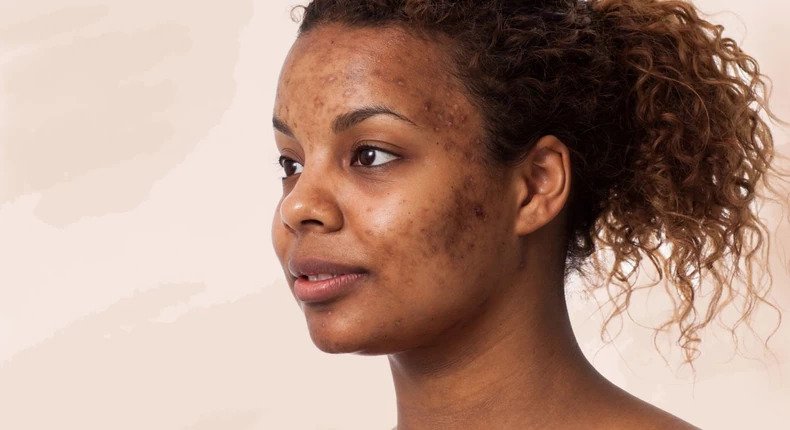
Hydroquinone is a popular skin-lightening agent commonly used to treat hyperpigmentation, a condition characterized by darkened skin areas. It is available in various concentrations, ranging from 2% to 4%, and can be found in creams, gels, lotions, and emulsions.

What is Hydroquinone?

Hydroquinone is a phenolic compound that works by inhibiting the production of melanin, the pigment responsible for skin color. It is often used to treat hyperpigmentation caused by acne, melasma, freckles, and lentigines.

How to Use Hydroquinone for Hyperpigmentation

To use hydroquinone effectively, follow these steps:

- Patch Test: Before starting treatment, perform a patch test to check for any adverse reactions. Apply a small amount of hydroquinone to a discrete area of skin and wait 24 hours to see if any irritation occurs.

- Cleanse and Dry the Skin: Ensure the affected area is clean and dry before applying hydroquinone.

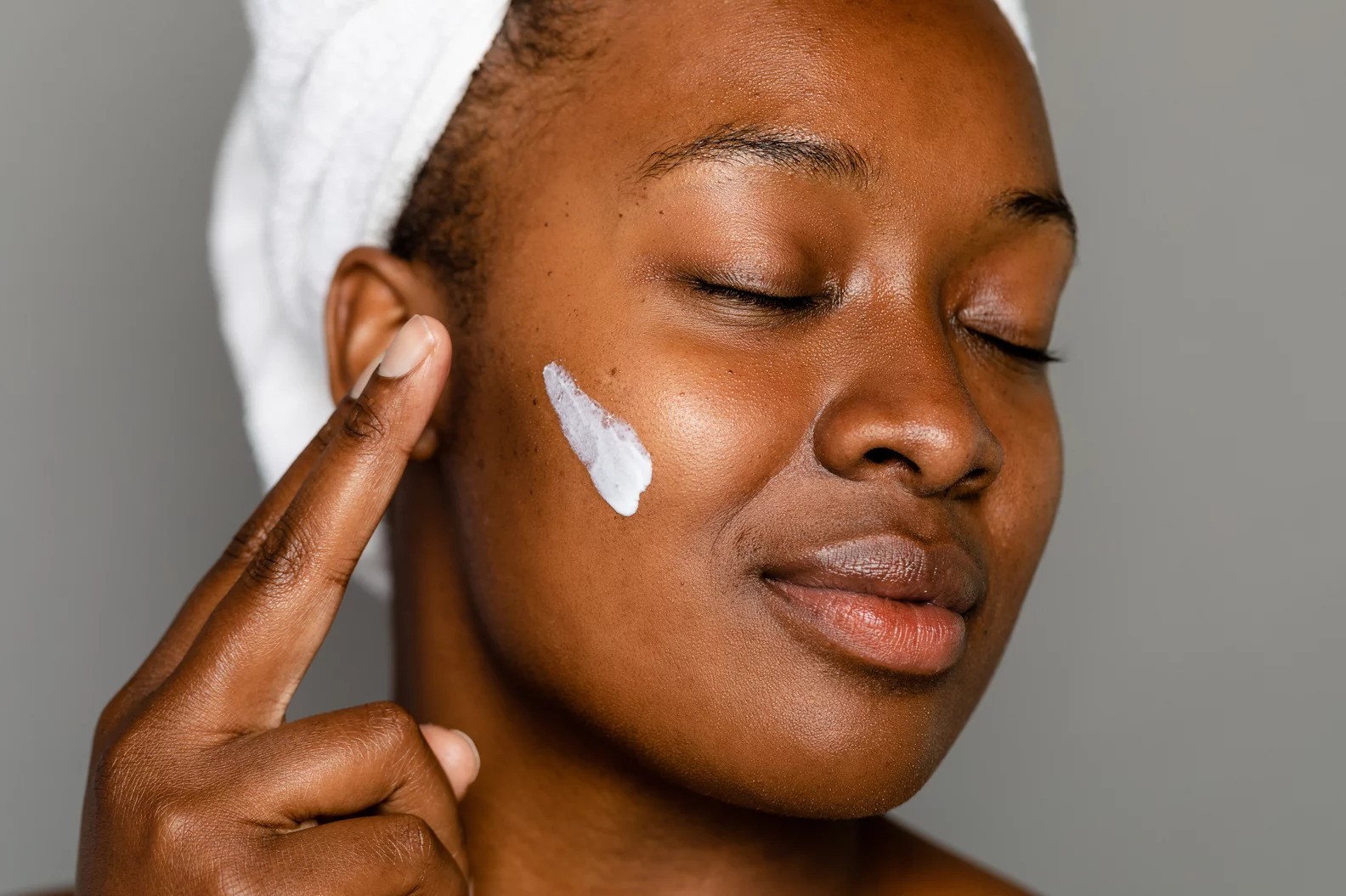
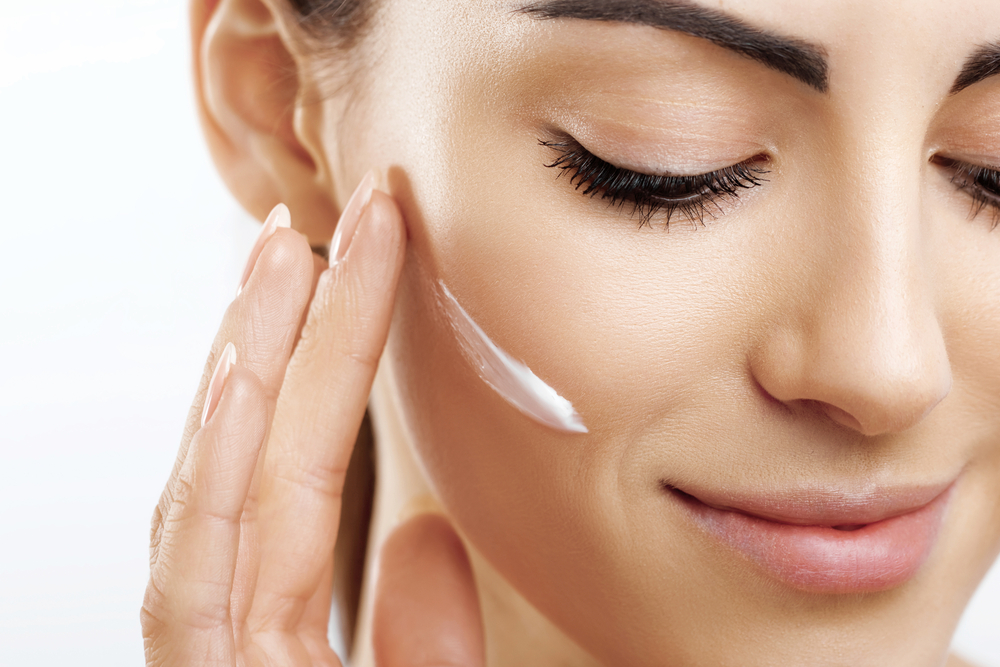
- Apply a Thin Layer: Apply a thin layer of hydroquinone to the affected area, gently rubbing it in until fully absorbed.

- Wash Hands Thoroughly: Wash your hands thoroughly after applying hydroquinone to prevent accidental skin lightening.

- Repeat as Directed: Repeat the application process as directed by the product label or your doctor's instructions.

Precautions and Side Effects

While hydroquinone is generally safe, it can cause some side effects, including:

- Skin Dryness: Hydroquinone can cause skin dryness, especially if used in high concentrations or for extended periods.

- Irritation: Some individuals may experience irritation, itching, or redness when using hydroquinone.

- Contact Dermatitis: Rarely, hydroquinone can cause contact dermatitis or allergic reactions.

Long-Term Use and Risks

Long-term use of hydroquinone can lead to ochronosis, a condition characterized by blue-black pigmentation and caviar-like spots on the skin. To minimize this risk, use hydroquinone as directed and for the recommended duration.

Alternatives to Hydroquinone

If you're concerned about the potential risks associated with hydroquinone, consider alternative skin-lightening agents, such as:

- Azelaic Acid: A natural ingredient that can help reduce melanin production and hyperpigmentation.

- Glycolic Acid: An alpha-hydroxy acid that can help exfoliate the skin and reduce hyperpigmentation.

- Kojic Acid: A natural ingredient that can help inhibit melanin production and reduce hyperpigmentation.

Conclusion

Hydroquinone can be an effective treatment for hyperpigmentation when used correctly and in moderation. Always follow the recommended usage guidelines and take necessary precautions to minimize potential side effects. If you're unsure about using hydroquinone or experience any adverse reactions, consult with a dermatologist or healthcare professional for guidance.


Previous Post

Lichen Planopilaris Treatment: A Comprehensive Guide

Next Post

5 Tips to Extend the Lifespan of Your Manicure

Comments