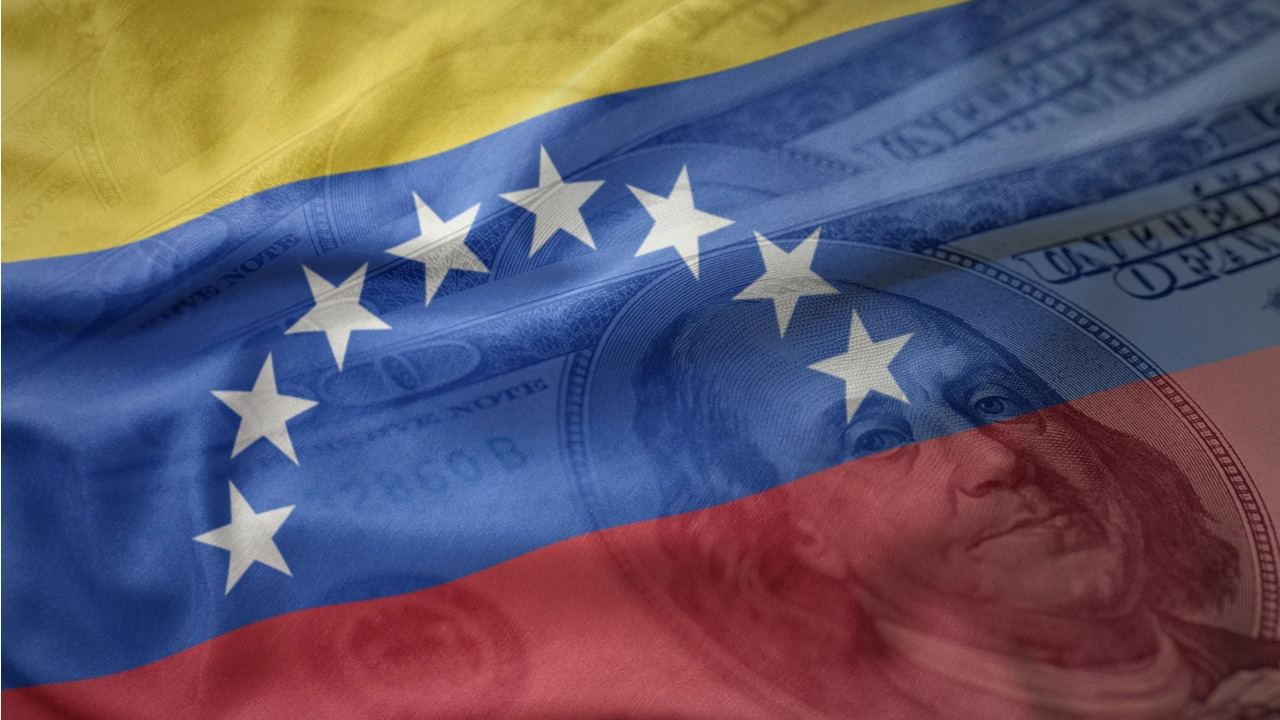
Venezuela Bets on De-Dollarization After Foreign Currency and Crypto Tax Is Applied
-
 Loading...
 - Seth Simon
- 10 May 2022
- 311 Views
- 0 Like
- 0 Comment
Venezuela Seeks to Strengthen Its Fiat Currency
After having defacto dollarization, which the president of the country called an “escape valve” from the economic crisis that Venezuela had faced five years ago, now the country is seeking to establish its fiat currency, the bolivar, as an interesting choice for payments. A new tax called the IGTF, which seeks to tax transactions and payments made in dollars, foreign currency, and crypto at 3% in some instances, seems directed to aid in achieving this purpose.
However, this might not yet be the time for such adjustments, now that Venezuela is just exiting a period of hyperinflation that was also combined with the devaluation of its fiat currency, which had to be redenominated a pair of times. Asdrubal Oliveros, a national economist who manages Ecoanalitica, a consulting firm, declared:
"It is a risky bet, with bad timing, because the recovery is very weak and the economy is still suffering from chronic inflation, not hyperinflation, but chronic inflation. It is very high to restore confidence in the currency from one day to the next."
De-Dollarization in Progress
However, the measure seems to be having a real effect on the spending patterns of Venezuelans. According to numbers presented by the bank superintendence, the use of the national fiat currency has shown a rise after the tax was presented and started being applied. Numbers show that digital transactions in local currency increased by 21%, and debit payments by 22%. Read More…