Vietnamese Pig's Ear Cookies: A Unique Delight for Your Taste Buds
-
 Loading...
 - Dandan Huang
- 08 Jun 2023
- 67 Views
- 0 Like
- 0 Comment
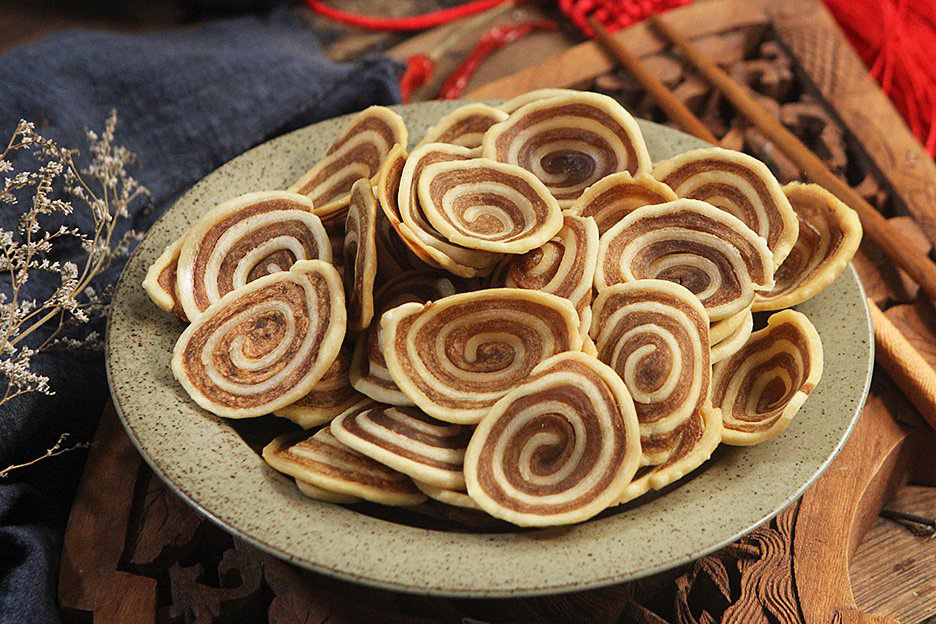
Welcome to the delectable world of Vietnamese Pig's Ear Cookies! These crispy and flavorful treats are a delightful fusion of Vietnamese and Chinese cuisines, combining a crunchy texture with a hint of sweetness. In this article, we will delve into the intriguing history and preparation of these cookies, explore various recipe variations, and provide useful tips for baking them to perfection. So, grab a cup of tea and let's embark on a mouthwatering journey into the realm of Vietnamese Pig's Ear Cookies!
The Origins of Vietnamese Pig's Ear Cookies
Vietnamese Pig's Ear Cookies, also known as "Bánh Tai Heo," have a fascinating history rooted in the culinary traditions of Vietnam and China. The name itself is derived from the unique shape of the cookies, which resembles a pig's ear. These delightful treats have been cherished by generations, serving as a symbol of cultural fusion and culinary craftsmanship.
Legend has it that Vietnamese Pig's Ear Cookies originated in Southern Vietnam during the 17th century when Chinese immigrants settled in the region. With their culinary expertise, they introduced this delectable treat to the local Vietnamese community. Over time, the cookies gained immense popularity and became an integral part of Vietnamese festive celebrations and traditional ceremonies.
Traditional Recipe: A Timeless Classic
The traditional Vietnamese Pig's Ear Cookie recipe showcases the simplicity and elegance of Vietnamese cuisine. This classic recipe requires a few basic ingredients that can be easily found in most kitchens. Here's a step-by-step guide to preparing these delightful cookies:
Ingredients:
2 cups all-purpose flour
1/2 cup powdered sugar
1/4 teaspoon salt
1/2 cup unsalted butter, softened
1/2 teaspoon vanilla extract
1/4 cup milk
1 egg yolk, beaten
Sesame seeds for garnish
Instructions:
1. In a large mixing bowl, combine the all-purpose flour, powdered sugar, and salt. Mix well.
2. Add the softened butter and vanilla extract to the dry ingredients. Use your fingertips to rub the butter into the flour mixture until it resembles coarse crumbs.
3. Gradually add the milk, a little at a time, and knead the dough until it forms a smooth ball. Be careful not to over-knead the dough, as it may result in tough cookies.
4. Preheat the oven to 350°F (175°C).
5. On a lightly floured surface, roll out the dough into a thin sheet, approximately 1/8 inch thick.
6. Using a round cookie cutter or a glass, cut out circles from the dough. Then, make a small slit in the center of each circle and fold one side through the slit to create the pig's ear shape.
7. Place the cookies on a baking sheet lined with parchment paper, leaving some space between them.
8. Brush the cookies with the beaten egg yolk and sprinkle sesame seeds on top for added flavor and texture.
9. Bake in the preheated oven for 12-15 minutes, or until the edges turn golden brown.
10. Once baked, remove the cookies from the oven and let them cool on a wire rack. The cookies will continue to crisp up as they cool.
Exploring Flavor Variations
While the traditional Vietnamese Pig's Ear Cookies recipe is undeniably delightful, there's always room for creativity and personalization in the culinary world. Here are a few flavor variations that you can experiment with to add a unique twist to your cookies:
1. Matcha Green Tea: Infuse the cookie dough with the vibrant and earthy flavors of matcha green tea powder. Simply add 1-2 tablespoons of matcha powder to the dry ingredients and proceed with the recipe as usual. The resulting cookies will have a delightful green hue and a subtle tea flavor.
2. Pandan: Pandan leaves are widely used in Southeast Asian cuisine for their fragrant and slightly sweet taste. To incorporate pandan flavor into your cookies, extract the juice from a handful of pandan leaves and add it to the dough along with the milk. This will lend a unique and aromatic twist to the traditional recipe.
3. Citrus Zest: For a refreshing citrusy kick, add the zest of an orange or a lemon to the dough. The zest will infuse the cookies with a burst of tangy flavor and a delightful aroma.
Feel free to explore these variations or create your own by experimenting with different extracts, spices, or even dried fruits. Let your creativity run wild, and you might stumble upon a new flavor combination that becomes your signature Pig's Ear Cookie!
Baking Tips for Perfect Vietnamese Pig's Ear Cookies
Baking Vietnamese Pig's Ear Cookies requires attention to detail and a few handy tips to ensure that they turn out crispy, flavorful, and visually appealing. Here are some tips to help you achieve perfection in every batch:
1. Chill the Dough: After kneading the dough, refrigerate it for at least 30 minutes. Chilling the dough allows the butter to solidify and prevents the cookies from spreading excessively during baking.
2. Use Parchment Paper: Line your baking sheet with parchment paper to prevent the cookies from sticking and ensure even baking.
3. Don't Overcrowd: Leave some space between the cookies on the baking sheet to allow air circulation, which promotes even browning.
4. Adjust Baking Time: Keep a close eye on the cookies while they bake, as the baking time may vary depending on your oven. Aim for a golden brown color on the edges to achieve the perfect balance of crispness and tenderness.
5. Cool Completely: Allow the cookies to cool completely on a wire rack before storing them in an airtight container. This will help them retain their crispness and prevent moisture buildup.
By following these tips, you'll be well on your way to baking a batch of Vietnamese Pig's Ear Cookies that are sure to impress your friends and family!
Health Benefits of Vietnamese Pig's Ear Cookies
While Vietnamese Pig's Ear Cookies are undoubtedly a delightful treat for your taste buds, it's worth mentioning some potential health benefits associated with their key ingredients. Here's a closer look at the nutritional value and advantages of indulging in these cookies in moderation:
1. Iron Boost: The all-purpose flour used in the cookie dough contains iron, which is an essential mineral that supports healthy red blood cell production and oxygen transport in the body.
2. B Vitamins: The powdered sugar used in the recipe provides a small amount of B vitamins, including thiamin and riboflavin. These vitamins play a crucial role in energy metabolism and maintaining overall well-being.
3. Moderate Indulgence: Vietnamese Pig's Ear Cookies can be enjoyed as an occasional treat as part of a balanced diet. However, due to their butter and sugar content, it's important to consume them in moderation to maintain a healthy lifestyle.
Remember, while these cookies offer some nutritional value, they should be savored primarily for their taste and cultural significance. As with any indulgence, balance is key!
Frequently Asked Questions
1. What are the main ingredients used in Vietnamese Pig's Ear Cookies?
The main ingredients used in Vietnamese Pig's Ear Cookies include all-purpose flour, powdered sugar, unsalted butter, vanilla extract, milk, egg yolk, and sesame seeds. These simple ingredients come together to create a delightful treat with a unique shape and delicate texture.
2. Can I substitute any ingredients in the traditional recipe?
While it's best to follow the traditional recipe for an authentic Vietnamese Pig's Ear Cookie experience, you can experiment with substitutions to cater to dietary restrictions or personal preferences. For example, you can try using a plant-based butter alternative for a vegan version, or gluten-free flour for those with gluten sensitivities.
3. How long do Vietnamese Pig's Ear Cookies stay fresh?
When stored in an airtight container at room temperature, Vietnamese Pig's Ear Cookies can stay fresh for up to two weeks. However, for optimal taste and texture, it's recommended to consume them within the first week.
4. Are there any vegan or gluten-free variations available?
Yes, there are various vegan and gluten-free alternatives available for Vietnamese Pig's Ear Cookies. To make a vegan version, substitute plant-based butter for dairy butter, and use a plant-based milk alternative. For gluten-free cookies, replace the all-purpose flour with a gluten-free flour blend. Just keep in mind that the texture and taste may differ slightly from the traditional recipe.
5. What is the best way to store Vietnamese Pig's Ear Cookies?
To maintain their crispness and flavor, it's best to store Vietnamese Pig's Ear Cookies in an airtight container at room temperature. Avoid exposure to moisture or excessive heat, as these factors can affect the texture and freshness of the cookies.
6. Can I freeze Vietnamese Pig's Ear Cookies?
Yes, Vietnamese Pig's Ear Cookies can be frozen for future enjoyment. Ensure that they are completely cooled before placing them in an airtight container or freezer bag. When you're ready to enjoy them, thaw the cookies at room temperature and allow them to regain their crispness before serving.
In conclusion, Vietnamese Pig's Ear Cookies offer a unique and delightful experience for those seeking to explore the diverse world of international cuisine. From their fascinating cultural origins to the crispy texture and delicate sweetness, these cookies are a true testament to the culinary craftsmanship of Vietnam.
Whether you decide to stick to the traditional recipe or experiment with exciting flavor variations, Vietnamese Pig's Ear Cookies are sure to impress your taste buds and leave a lasting impression. So, why not embark on a baking adventure and savor the joy of these delectable treats?
Remember, the key to baking perfect Vietnamese Pig's Ear Cookies lies in attention to detail, creativity, and a dash of cultural appreciation. So, gather your ingredients, preheat the oven, and get ready to experience the delightful fusion of flavors that these cookies have to offer. Happy baking!