Vivid Colours and Bold Flavours of Nigerian Food
-
 Loading...
 - Winifred Edemi
- 15 Jan 2025
- 120 Views
- 0 Like
- 0 Comment
Nigerian cuisine is experiencing a vibrant renaissance, characterized by its vivid colors and bold flavors that reflect the rich cultural tapestry of the country. This food boom is not just a culinary trend; it represents a growing appreciation for Nigeria's diverse culinary heritage, which is deeply rooted in tradition and influenced by various ethnic groups, each contributing unique ingredients and cooking techniques.
At the heart of Nigerian cuisine is the use of fresh, locally sourced ingredients. Staples such as yams, cassava, rice, and beans form the foundation of many dishes, while an array of vegetables, spices, and herbs add depth and complexity. The use of palm oil, known for its rich, reddish hue, is a hallmark of many traditional dishes, imparting a distinct flavor that is both earthy and aromatic.
One of the most iconic dishes, Jollof rice, exemplifies the bold flavors that define Nigerian cooking. This one-pot dish, made with rice, tomatoes, onions, and a blend of spices, is often served at celebrations and gatherings, showcasing the communal aspect of Nigerian dining. The rivalry between regions, particularly between Lagos and Accra, over who makes the best Jollof rice has only fueled its popularity, making it a symbol of national pride.
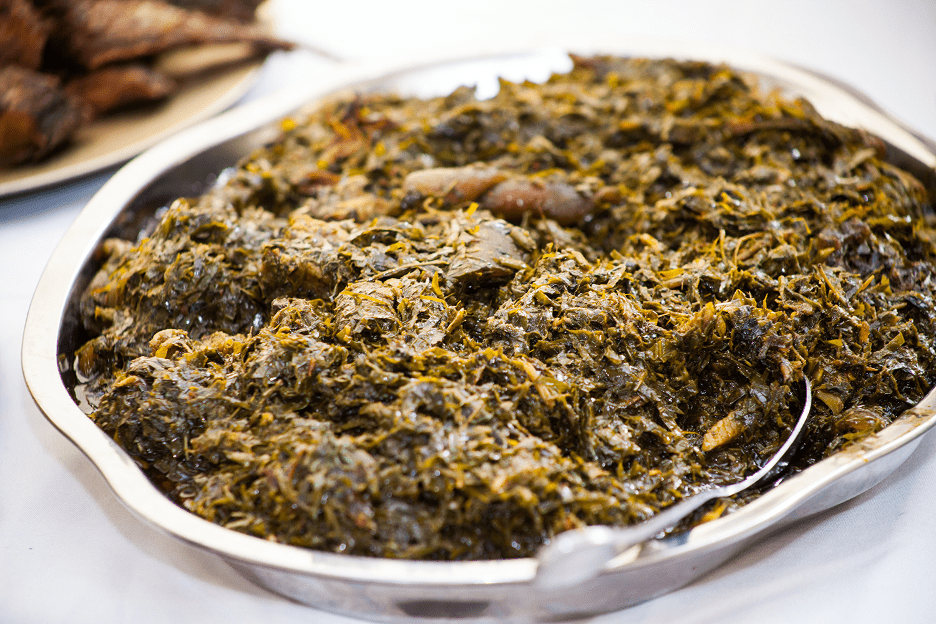
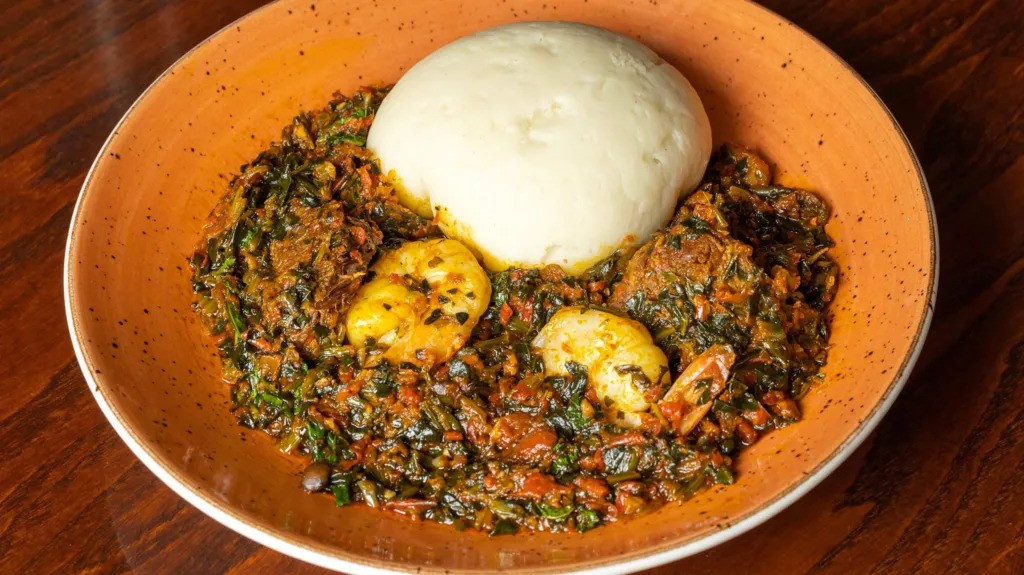
Another staple, Egusi soup, made from ground melon seeds, is a testament to the ingenuity of Nigerian cooking. The soup is thickened with the seeds and often includes leafy vegetables, meat, and fish, creating a hearty and nutritious meal. The vibrant green of the vegetables against the golden hue of the soup is visually striking, making it as appealing to the eyes as it is to the palate.
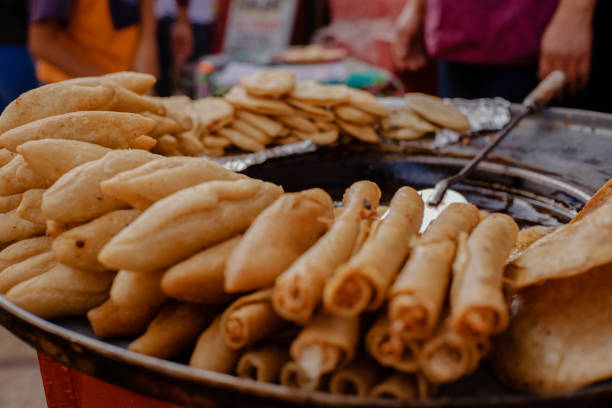
Street food culture is also thriving in Nigeria, with vendors offering a variety of quick bites that are both delicious and affordable. From suya (spicy grilled meat skewers) to puff-puff (sweet fried dough balls), these snacks are not only popular among locals but are also gaining recognition internationally. The explosion of food markets and festivals across major cities like Lagos and Abuja has further propelled the visibility of Nigerian cuisine, attracting food enthusiasts eager to explore its flavors.
The rise of social media has played a significant role in the Nigerian food boom, with platforms like Instagram and TikTok showcasing mouthwatering dishes and innovative recipes. Food bloggers and influencers are sharing their culinary journeys, introducing a global audience to the richness of Nigerian flavors. This digital presence has sparked interest in traditional cooking methods and ingredients, encouraging a new generation to embrace their culinary heritage.
Moreover, the Nigerian diaspora is contributing to the food boom by opening restaurants and food businesses that celebrate their roots. These establishments not only serve authentic Nigerian dishes but also create a fusion of flavors that appeal to diverse palates. The growing interest in African cuisine worldwide has led to an increased demand for Nigerian food, further solidifying its place on the global culinary map.
In conclusion, the Nigerian food boom is a celebration of vivid colors and bold flavors that reflect the country's rich cultural heritage. As more people discover and appreciate the diversity of Nigerian cuisine, it is poised to make an even greater impact on the global food scene. With its emphasis on fresh ingredients, communal dining, and innovative cooking, Nigerian cuisine is not just a feast for the senses; it is a vibrant expression of identity and tradition that continues to evolve and inspire.