We Asked The Pros: Here's Exactly How To Fix Heat Damaged Hair
-
 Loading...
 - Tobias Collin
- 22 Jul 2022
- 101 Views
- 0 Like
- 0 Comment
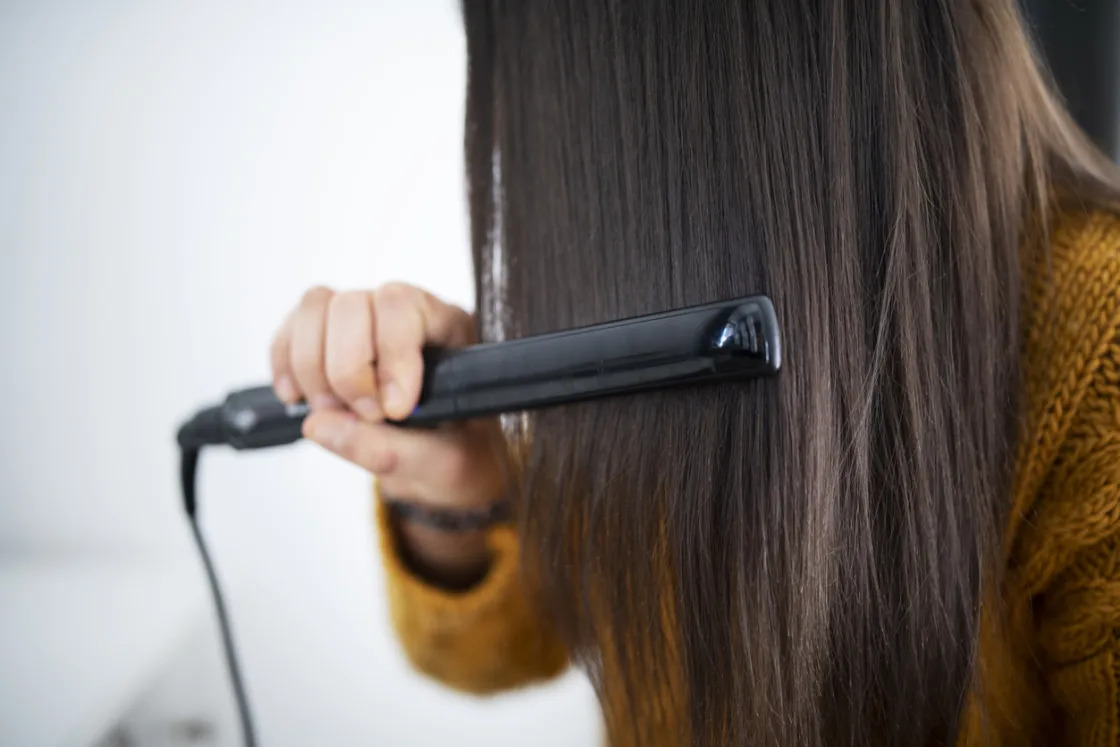
Many of us have gone through the hot tool phase. By this, we mean that period in time where we blow-dried, straightened, curled, or even crimped our hair every single day. While this may have been all fun and games at the time, heat damage followed suit.
If you’ve tried to make amends with your hair over the years with little to no success, don’t worry. We’ve tapped experts to give you the breakdown on how exactly to care for heat-damaged hair, and answer the ultimate question: Can it be fixed after all? Let’s get into it.
Can you actually fix damaged hair?
Let’s get to the point: Your hair is already dead. Unlike the skin, your hair isn’t going to repair itself. Does this mean that every product marketed as a damage remedy is a scam? Not necessarily.
These products are generally claiming that the look of damaged hair can be improved, which is true. Further, using nourishing ingredients can help to strengthen the hair fiber and prevent future damage. So while healing products aren’t a total scam, you should know that they’re not going to literally reverse the damage brought on by hot tools.
Signs your hair is heat damaged:
Now you may be wondering, “How do I know if my hair is damaged?” The thing is, heat damaged hair can look similar to hair that’s been poorly color-treated or lacks moisture in general. So if you see the following signs but rarely use hot tools, it’s probably one of the previous problems instead.
If you find yourself reaching for the blow dryer or curling iron more than once or twice a week, though, then your hair is likely going to suffer from some heat damage.
We asked consultant trichologist, Elizabeth Cunnane Phillips at Philip Kingsley and hairstylist at Maxine Salon Amy Abramite to help us identify the signs of heat-damaged hair. Here, a few physical clues:
1. Brittleness: When you put your hair in a ponytail or run a brush through it, your hair shouldn’t be breaking in the middle. If it does, you may have heat damage. “Damage, depending on severity can cause breakage all over, so regardless of the length of hair, evidence of damage can be found close to the scalp or throughout the length,” Phillips explains.
2. Split ends: This is when the end of your strand is split into two (or more) separate, thinner pieces. If you got a trim within the last few months and find bundles of split ends, that’s a sign of heat damage.
3. Lack of shine: “Damaged hair will look dull,” Phillips says. If you’ve noticed a lack of shine to your hair, you may be overdoing it on hot tools. Even if you don’t regularly color your hair, natural color can appear dull when damaged via heat as well.
4. Frizz: If your hair gets frizzy regardless of climate, anti-frizz products, or styling method, it may be caused by heat damage. Especially if you notice frizz in the areas you iron or blow dry the most (the bangs, for example) that’s a dead giveaway.
5. Fading color: If you’re using a sulfate-free, color-safe hair care routine, your color should last. If it fades quickly, it may be due to heat.
6. Changing texture: Especially if you haven’t changed your wash and style products yet experienced changing hair texture, heat may be to blame.
Increased tangles If you’re having trouble brushing through your hair (if it normally detangles smoothly) it could be due to damage, Abramite says.
How to fix the appearance of damage & prevent it from progressing.
1. Get regular trims
“Regular trims are key to keeping hair in top condition,” Phillips explains. She recommends trimming the hair every six to eight weeks to keep it looking vibrant and healthy, especially if you’re heat styling.
“We can see damage occur with just one aggressive blow dry or chemical process,” she explains, “or it can be cumulative over time.”
If you keep up with regular trims and remove the older, damaged hair, you will be left with hair that looks vibrant and reflects the light, Phillips says. Who doesn’t want that?
2. Invest in bond-building products.
Next, consider adding a bond builder to your hair care routine. These products work to strengthen the hair from the inside. “It repairs and rebonds the internal hair structure by strengthening damaged strands and preventing further breakage,” Abramite says.
Because damaged hair is more susceptible to future breakage, it’s important to keep it strong and resilient. Our pick? This leave-in treatment from Olaplex.
3. Do a weekly protein treatment.
About 95% of your hair is made up of protein, so it only makes sense that treating it with protein-infused products can help to fill in the structural gaps of broken, damaged strands.
You’ll want to stick to once a week for the first month and then pace yourself, opting for once or twice a month after that. This way your hair will get a heavy dose of protein at first, but you’ll avoid overdoing it, which can have the opposite effect.
If you want to learn more about protein treatments and shop our top picks, check out this story.
4. Always use a heat protectant.
While laying off the everyday hot tools is best practice for repairing damaged hair, we know the occasional style is a necessity for some of us. We all do it, but just make sure you do it right. By this, we mean protecting your strands. Read More...