Wearing Your Hair Natural Doesn’t Automatically Make It Healthy
-
 Loading...
 - Angela Kwofie
- 19 Dec 2024
- 159 Views
- 0 Like
- 0 Comment
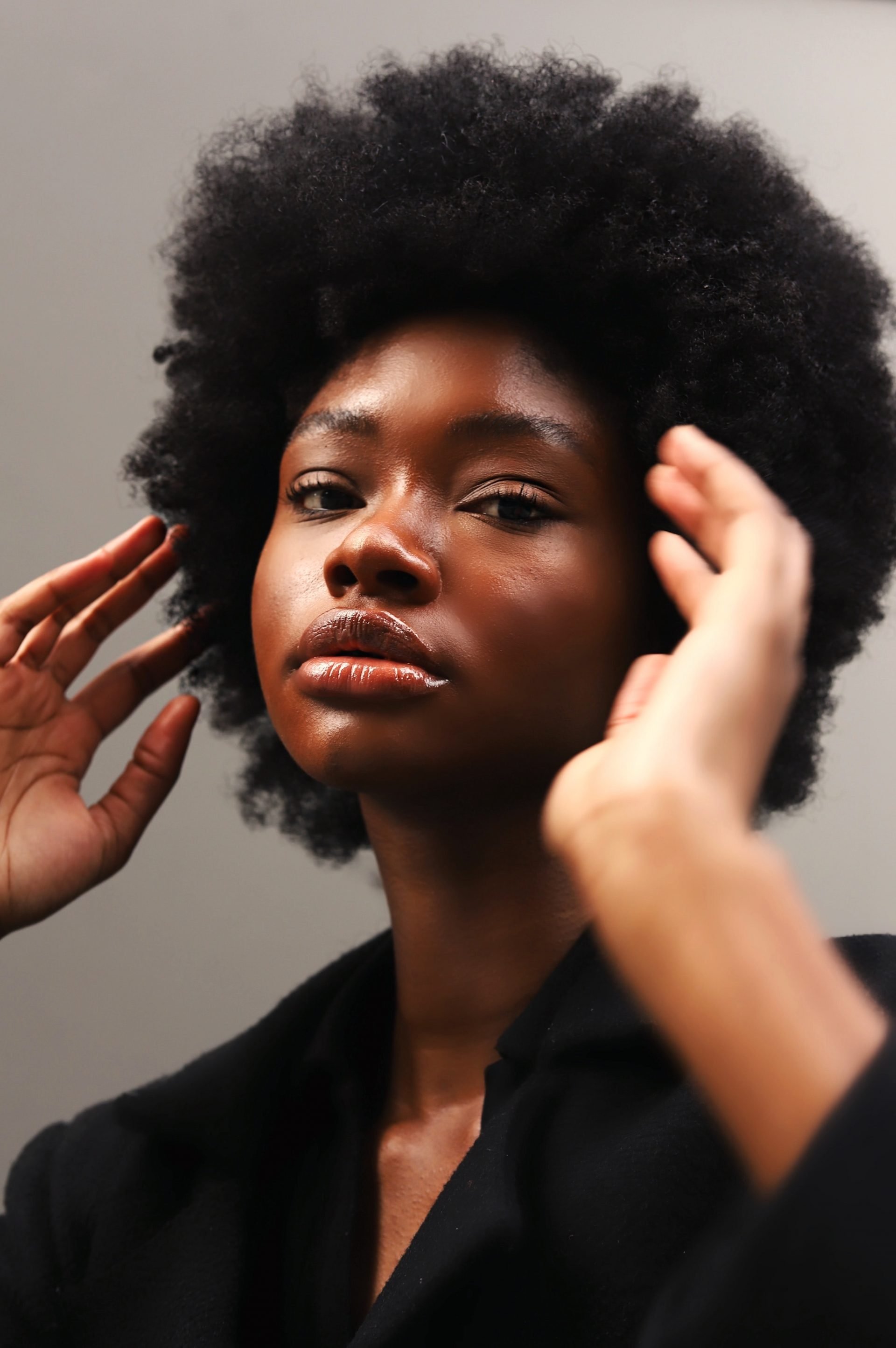
Embracing natural hair is a beautiful expression of individuality and cultural identity, but it’s important to recognize that simply wearing your hair in its natural state doesn’t guarantee its health. Without proper care and attention, natural hair can become dull, damaged, and difficult to manage. Here are some key considerations for maintaining the health of natural hair.
1. Understanding Hair Type and Texture
Natural hair comes in various types and textures, each requiring different care routines. Understanding your specific hair type—whether it’s curly, coily, wavy, or straight—can help you choose the right products and techniques. For instance, coily hair often needs more moisture and hydration compared to straight hair, which may require less.
2. Moisture is Key
Natural hair tends to be drier than chemically treated hair due to its structure, which makes it harder for natural oils to travel down the hair shaft. To combat dryness, it’s essential to incorporate a consistent moisturizing routine. This can include:
- Deep Conditioning: Regular deep conditioning treatments can help restore moisture and elasticity.
- Leave-In Conditioners: Using leave-in conditioners can provide ongoing hydration throughout the day.
- Oils and Butters: Natural oils (like coconut, olive, or jojoba oil) and butters (like shea butter) can seal in moisture and add shine.
3. Gentle Cleansing
While it’s important to keep hair clean, harsh shampoos can strip natural oils, leading to dryness and damage. Opt for sulfate-free shampoos or co-washing (using conditioner to wash hair) to maintain moisture levels. Regular cleansing is still necessary to remove product buildup and dirt, but it should be done gently.
4. Protective Styling
Protective styles, such as braids, twists, or updos, can help minimize manipulation and reduce the risk of breakage. However, it’s crucial to ensure that these styles are not too tight, as this can lead to traction alopecia. Additionally, give your hair breaks between protective styles to allow it to recover.
5. Regular Trims
Even natural hair benefits from regular trims to remove split ends and prevent further damage. Aim for a trim every 6-8 weeks, depending on your hair’s growth and condition. This helps maintain the overall health and appearance of your hair.
6. Heat Protection
If you choose to use heat styling tools, such as flat irons or curling wands, always use a heat protectant spray to minimize damage. Limit the use of heat to avoid weakening the hair structure, and consider air-drying or using heat-free styling methods whenever possible.
7. Nutrition and Hydration
Healthy hair starts from within. A balanced diet rich in vitamins, minerals, and proteins can promote hair health. Foods high in omega-3 fatty acids, biotin, and vitamins A, C, and E can contribute to stronger, shinier hair. Staying hydrated is equally important, as water intake affects overall hair health.
8. Listen to Your Hair
Every individual’s hair is unique, and what works for one person may not work for another. Pay attention to how your hair responds to different products and routines. Adjust your care regimen based on your hair’s needs, and don’t hesitate to experiment with new techniques.
Wearing your hair natural is a wonderful choice, but it requires commitment and care to keep it healthy. By understanding your hair type, maintaining moisture, cleansing gently, and incorporating protective styles, you can ensure that your natural hair remains vibrant and strong. Remember, healthy hair is a reflection of the care and attention you give it, so invest the time and effort to nurture your natural beauty.