Web AR Solutions: A Holistic Approach to Transforming Product Marketing
-
 Loading...
 - Anastasia Green
- 03 Oct 2024
- 75 Views
- 0 Like
- 0 Comment
In the rapidly evolving landscape of digital marketing, businesses are increasingly turning to innovative technologies to enhance their customer engagement and drive sales. One such technology that has gained significant traction is Web AR, which leverages augmented reality (AR) directly in web browsers without the need for additional applications. This seamless integration allows brands to create immersive experiences that can captivate users and transform traditional marketing strategies.
The Rise of Web AR in Marketing
Web AR is revolutionizing how brands interact with consumers by providing an engaging platform for product visualization and interaction. Unlike traditional AR applications, which often require downloads and installations, Web AR operates through standard web browsers, making it accessible to a wider audience. This ease of access is crucial in today’s fast-paced digital environment, where consumers expect instant gratification and convenience.
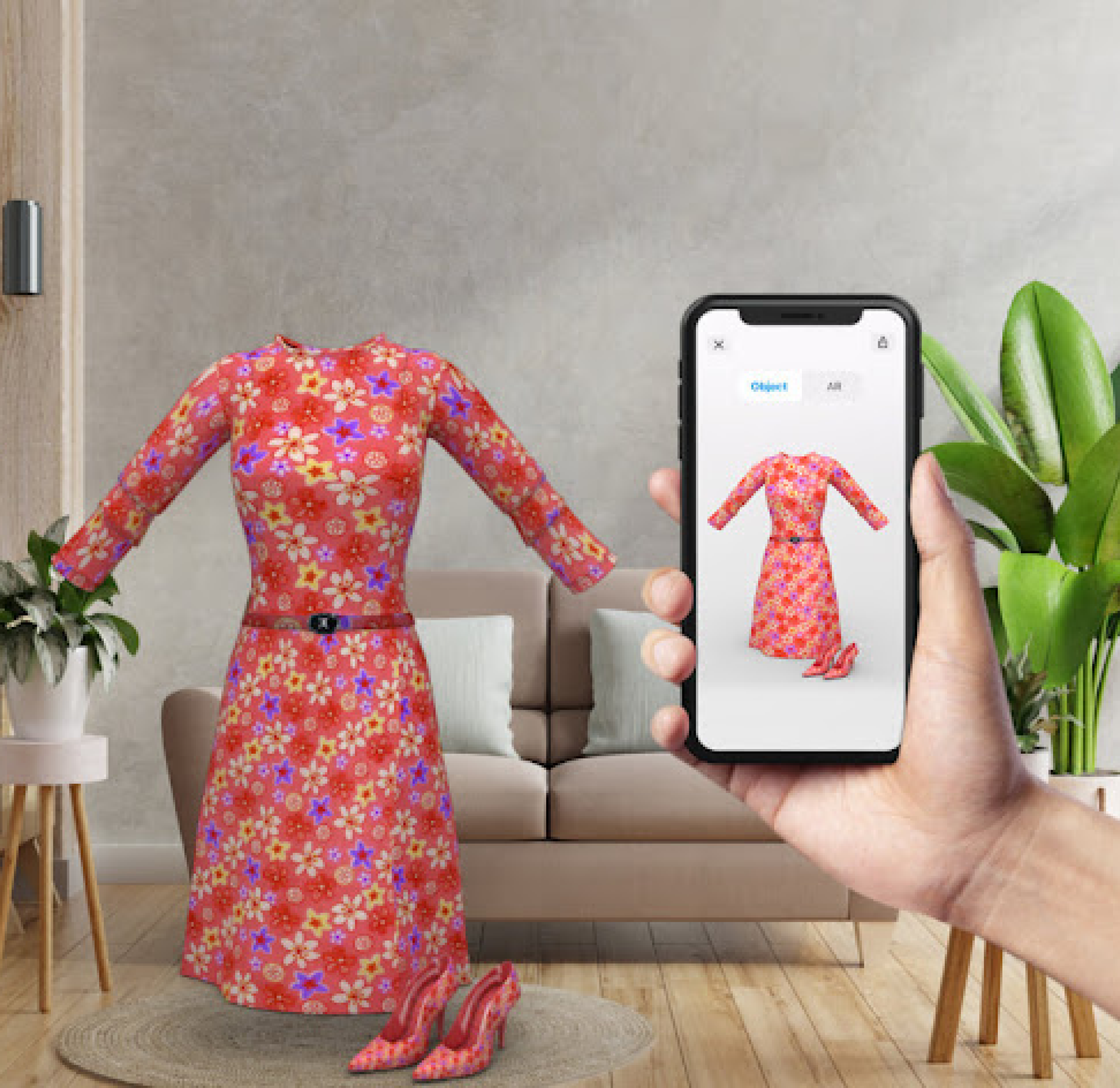
With web AR based marketing, companies can showcase products in real-time, allowing customers to visualize items in their own environment before making a purchase. This capability not only enhances the shopping experience but also significantly reduces return rates, as customers have a clearer understanding of what they are buying. For instance, furniture retailers can enable customers to see how a couch would look in their living room, leading to more informed purchasing decisions.
How Web AR Enhances Customer Experience
The effectiveness of web AR lies in its ability to create interactive and engaging experiences that resonate with consumers. Here are some ways web AR enhances customer experience:
Interactive Product Demonstrations: Brands can offer 3D models of their products that users can manipulate and explore from different angles. This interactivity fosters a deeper connection between the consumer and the product.
Personalization: Web AR can be tailored to individual preferences, allowing users to customize products before purchasing. For example, a cosmetics brand might let customers try on different shades of lipstick virtually.
Social Sharing: Users can easily share their AR experiences on social media, increasing brand visibility and attracting new customers through organic reach.
Gamification: Incorporating game-like elements into marketing campaigns can enhance user engagement. For example, brands might create scavenger hunts using AR that encourage users to explore their website or physical locations.
The Role of AR & VR App Development Companies
To effectively harness the power of web AR, businesses often collaborate with specialized AR & VR app development companies. These companies possess the technical expertise required to create sophisticated AR experiences that are both functional and visually appealing. They utilize advanced technologies such as Unity3D and Unreal Engine to develop immersive applications that can be integrated into existing marketing strategies.
Working with an experienced development partner ensures that brands can leverage the latest advancements in AR technology while focusing on their core business operations. These companies offer a range of services including:
Consultation: Helping businesses identify the best use cases for AR technology within their marketing strategies.
Custom Development: Creating tailored web AR solutions that align with specific business goals and target audiences.
Integration: Ensuring that AR solutions seamlessly integrate with existing digital platforms and marketing tools.
Support and Maintenance: Providing ongoing support to ensure that the AR experiences remain functional and up-to-date with technological advancements.
The Future of Web AR in Marketing
As technology continues to advance, the potential applications for web AR in marketing are vast. Businesses are expected to increasingly adopt this technology as part of their digital strategy, driven by the need for enhanced customer engagement and competitive differentiation. The integration of artificial intelligence (AI) with web AR could further personalize user experiences by analyzing consumer behavior and preferences in real time.
Moreover, as 5G technology becomes more widespread, the capabilities of web AR will expand significantly. Faster internet speeds will allow for more complex and data-rich experiences without lag, making it easier for brands to deliver high-quality content directly to consumers’ devices.
Conclusion
In conclusion, web AR represents a transformative opportunity for businesses looking to enhance their marketing efforts. By partnering with an AR & VR app development company, brands can create compelling web-based augmented reality experiences that not only engage consumers but also drive sales and build brand loyalty in an increasingly competitive marketplace.