Wellington ranked second in the world for house price growth
-
 Loading...
 - John Fraser
- 23 Dec 2021
- 539 Views
- 0 Like
- 0 Comment
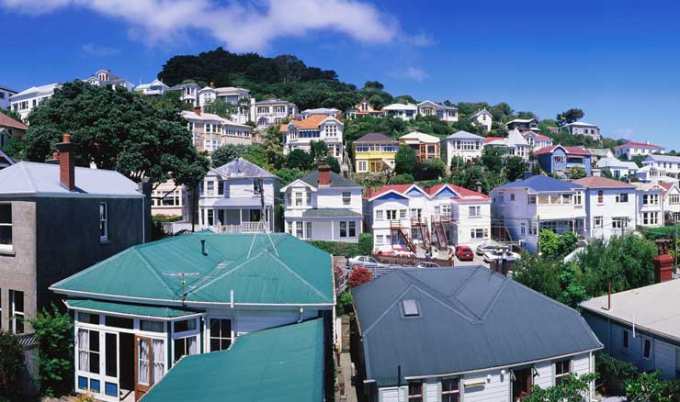
The median sales price in the capital jumped 33.55% to $1.1 million in the 12 months to the end of September, according to the latest Bayleys Knight Frank Global Residential Cities Index.
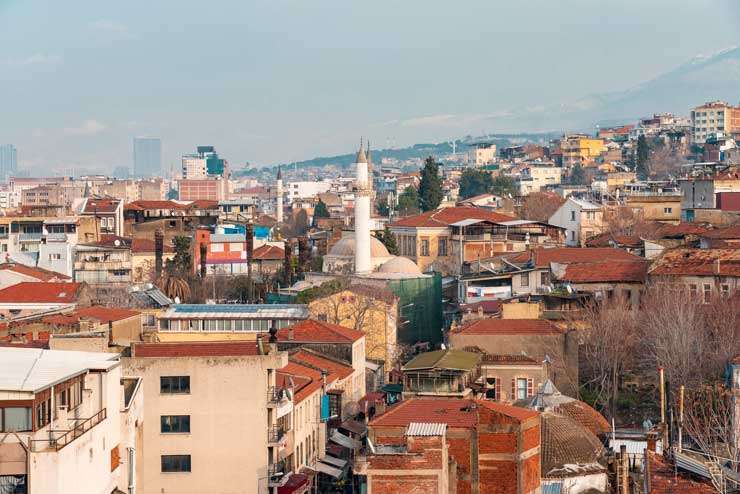
The city that took the top spot in the list is Izmir, in Turkey. The sprawling metropolis on the Turkish coast witnessed a 34.8% spike in house prices over the 12-month period, with the average cost of an apartment in the city 600,000 lira (N$72,000) and a villa costing 5 million lira (NZ$600,000).
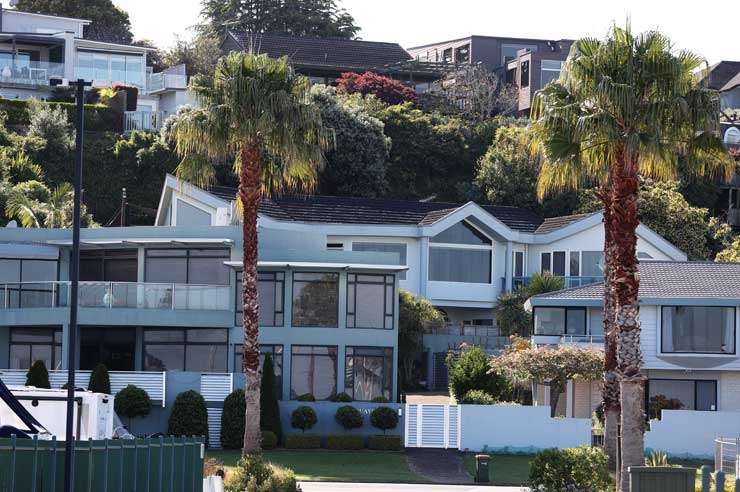
Auckland, where house prices grew 21.1% to $1.2 million, now ranks 25th on the index, up 30 spots from last year's report year. Wellington climbed 23 spots over the year, and now sits above the likes of New York (37th), Tokyo (56th) and London (122nd).
The highest ranking Australian city on the list is Hobart, at No.7 with house price growth of 30.9%. Sydney, with house price growth of 23.7%, is ranked 18th on the index.
Chris Farhi, Bayleys head of insights, told OneRoof that the global comparison helped give perspective to domestic discussions about housing affordability in New Zealand.
“This research highlights that strong house price growth is a global issue," he said.
“The average price growth across the 150 cities is at its fastest growth in 17 years. That was the beginning of 2005, the peak of the build-up before it slowed in 2006 and then we had the GFC.
“In New Zealand, everyone is talking about a housing shortage, but there’s actually also government stimulus too.
“We've seen that around the world, lower interest rates and government stimulus in response to the pandemic are factors consistently linked to house price growth.”
Farhi said while the big jump in Wellington prices reflected growth in the city only, not the wider region of Hutt and Petone (unlike Auckland’s which covered the whole super-city region), the smaller size of the capital’s market means it has had more price volatility.
However, in his view, the city is not due a correction any time soon. “It’s still catching up with Auckland had. It’s not over-priced."
The city’s stable, mostly white-collar government workforce meant prices were still “in a sensible area”, he said. “In fact, they need more listings.” Read More…