What could go wrong with Biden's booming economy? Here are the big risks.
-
 Loading...
 - Emma Endris
- 14 Apr 2022
- 304 Views
- 0 Like
- 0 Comment
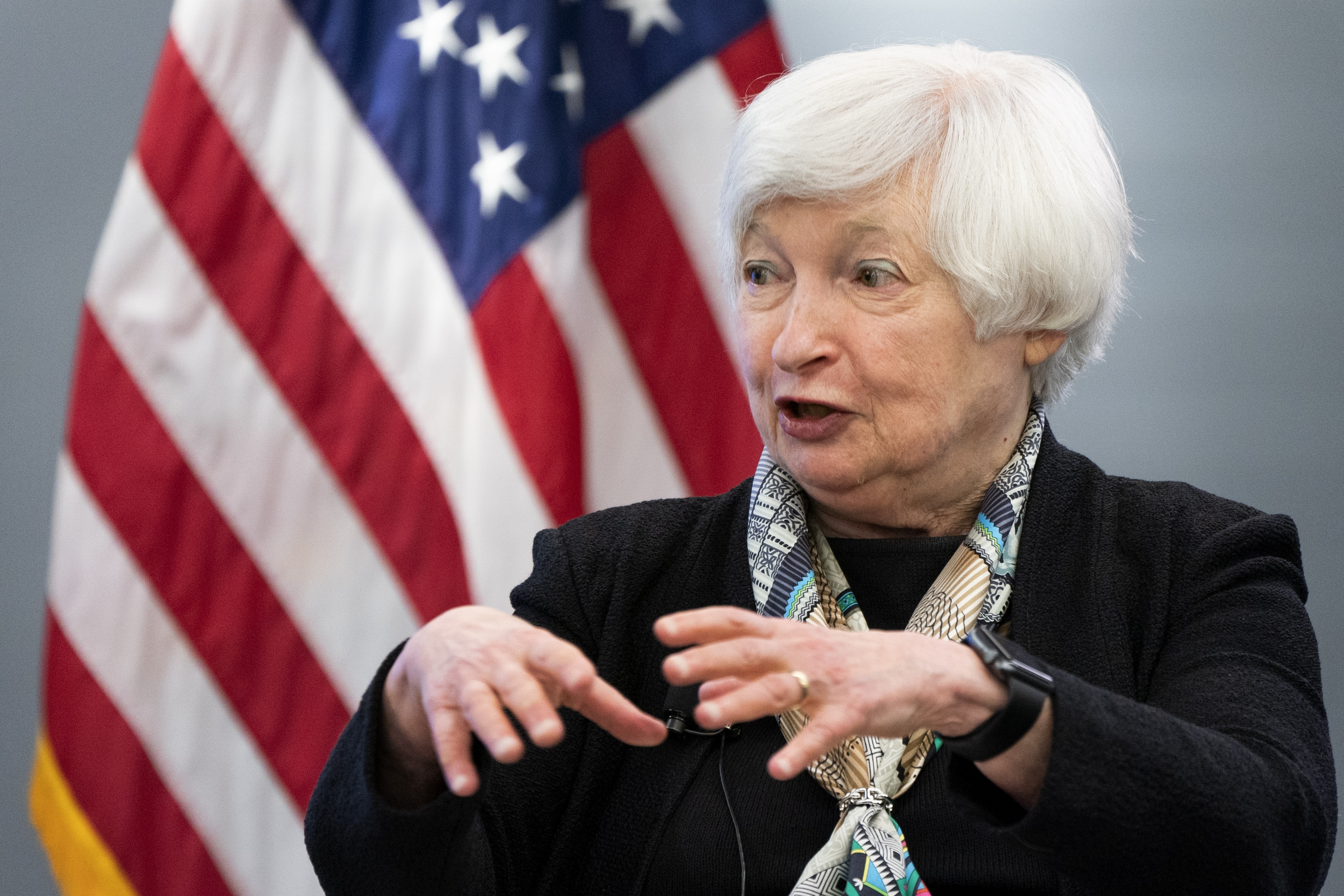
Treasury Secretary Janet Yellen, who has spent the last year touting low unemployment and rapid growth, delivered a different message on Wednesday: New risks will test the strength of the U.S. and global economies.
Yellen said that with prices spiking around the world, especially of key commodities like oil and wheat, she’s worried about the possibility of a recession in Europe, which is most vulnerable to the fallout from Russia’s war on Ukraine. She also said the Federal Reserve would need a combination of “skill” and “good luck” to rein in inflation without killing a booming U.S. job market.
She’s not the only policymaker who’s concerned.
With the U.S. government reporting this week that inflation has hit a four-decade high and the Fed cranking up its efforts to drive down prices, President Joe Biden’s economy faces a dizzying array of risks. Growth was already expected to slow this year after 2021’s blistering 5.7 percent expansion, as both Congress and the central bank pull back support for the economy. But the hits keep coming — higher energy prices, a slowdown in China and the possibility of a Fed-induced recession.
Here are the big challenges ahead.
The Fed as ‘bobsled driver’
The largest threat looming over the economy is the central bank’s campaign to raise interest rates, designed to reduce spending and curb inflation. But what that really means is that the Fed is going to slow growth, and that will have consequences for American workers.
The labor market has been roaring, adding an average of 600,000 jobs a month over the past six months, and as wages have risen, more people have come back into the workforce. That, coupled with the fact that there are more job openings than workers, has stoked hopes that the Fed can reduce demand for workers without leading to an increase in unemployment. But the harder the Fed slams on the brakes to halt inflation, the greater the collateral damage. And the central bank has frequently caused recessions in past inflation-fighting episodes. Read More…