Home Upload Photo Upload Videos Write a Blog Analytics Messaging Streaming Create Adverts Creators Program
Bebuzee Afghanistan Bebuzee Albania Bebuzee Algeria Bebuzee Andorra Bebuzee Angola Bebuzee Antigua and Barbuda Bebuzee Argentina Bebuzee Armenia Bebuzee Australia Bebuzee Austria Bebuzee Azerbaijan Bebuzee Bahamas Bebuzee Bahrain Bebuzee Bangladesh Bebuzee Barbados Bebuzee Belarus Bebuzee Belgium Bebuzee Belize Bebuzee Benin Bebuzee Bhutan Bebuzee Bolivia Bebuzee Bosnia and Herzegovina Bebuzee Botswana Bebuzee Brazil Bebuzee Brunei Bebuzee Bulgaria Bebuzee Burkina Faso Bebuzee Burundi Bebuzee Cabo Verde Bebuzee Cambodia Bebuzee Cameroon Bebuzee Canada Bebuzee Central African Republic Bebuzee Chad Bebuzee Chile Bebuzee China Bebuzee Colombia Bebuzee Comoros Bebuzee Costa Rica Bebuzee Côte d'Ivoire Bebuzee Croatia Bebuzee Cuba Bebuzee Cyprus Bebuzee Czech Republic Bebuzee Democratic Republic of the Congo Bebuzee Denmark Bebuzee Djibouti Bebuzee Dominica Bebuzee Dominican Republic Bebuzee Ecuador Bebuzee Egypt Bebuzee El Salvador Bebuzee Equatorial Guinea Bebuzee Eritrea Bebuzee Estonia Bebuzee Eswatini Bebuzee Ethiopia Bebuzee Fiji Bebuzee Finland Bebuzee France Bebuzee Gabon Bebuzee Gambia Bebuzee Georgia Bebuzee Germany Bebuzee Ghana Bebuzee Greece Bebuzee Grenada Bebuzee Guatemala Bebuzee Guinea Bebuzee Guinea-Bissau Bebuzee Guyana Bebuzee Haiti Bebuzee Honduras Bebuzee Hong Kong Bebuzee Hungary Bebuzee Iceland Bebuzee India Bebuzee Indonesia Bebuzee Iran Bebuzee Iraq Bebuzee Ireland Bebuzee Israel Bebuzee Italy Bebuzee Jamaica Bebuzee Japan Bebuzee Jordan Bebuzee Kazakhstan Bebuzee Kenya Bebuzee Kiribati Bebuzee Kuwait Bebuzee Kyrgyzstan Bebuzee Laos Bebuzee Latvia Bebuzee Lebanon Bebuzee Lesotho Bebuzee Liberia Bebuzee Libya Bebuzee Liechtenstein Bebuzee Lithuania Bebuzee Luxembourg Bebuzee Madagascar Bebuzee Malawi Bebuzee Malaysia Bebuzee Maldives Bebuzee Mali Bebuzee Malta Bebuzee Marshall Islands Bebuzee Mauritania Bebuzee Mauritius Bebuzee Mexico Bebuzee Micronesia Bebuzee Moldova Bebuzee Monaco Bebuzee Mongolia Bebuzee Montenegro Bebuzee Morocco Bebuzee Mozambique Bebuzee Myanmar Bebuzee Namibia Bebuzee Nauru Bebuzee Nepal Bebuzee Netherlands Bebuzee New Zealand Bebuzee Nicaragua Bebuzee Niger Bebuzee Nigeria Bebuzee North Korea Bebuzee North Macedonia Bebuzee Norway Bebuzee Oman Bebuzee Pakistan Bebuzee Palau Bebuzee Panama Bebuzee Papua New Guinea Bebuzee Paraguay Bebuzee Peru Bebuzee Philippines Bebuzee Poland Bebuzee Portugal Bebuzee Qatar Bebuzee Republic of the Congo Bebuzee Romania Bebuzee Russia Bebuzee Rwanda Bebuzee Saint Kitts and Nevis Bebuzee Saint Lucia Bebuzee Saint Vincent and the Grenadines Bebuzee Samoa Bebuzee San Marino Bebuzee São Tomé and Príncipe Bebuzee Saudi Arabia Bebuzee Senegal Bebuzee Serbia Bebuzee Seychelles Bebuzee Sierra Leone Bebuzee Singapore Bebuzee Slovakia Bebuzee Slovenia Bebuzee Solomon Islands Bebuzee Somalia Bebuzee South Africa Bebuzee South Korea Bebuzee South Sudan Bebuzee Spain Bebuzee Sri Lanka Bebuzee Sudan Bebuzee Suriname Bebuzee Sweden Bebuzee Switzerland Bebuzee Syria Bebuzee Taiwan Bebuzee Tajikistan Bebuzee Tanzania Bebuzee Thailand Bebuzee Timor-Leste Bebuzee Togo Bebuzee Tonga Bebuzee Trinidad and Tobago Bebuzee Tunisia Bebuzee Turkey Bebuzee Turkmenistan Bebuzee Tuvalu Bebuzee Uganda Bebuzee Ukraine Bebuzee United Arab Emirates Bebuzee United Kingdom Bebuzee Uruguay Bebuzee Uzbekistan Bebuzee Vanuatu Bebuzee Venezuela Bebuzee Vietnam Bebuzee World Wide Bebuzee Yemen Bebuzee Zambia Bebuzee Zimbabwe
Blog Image

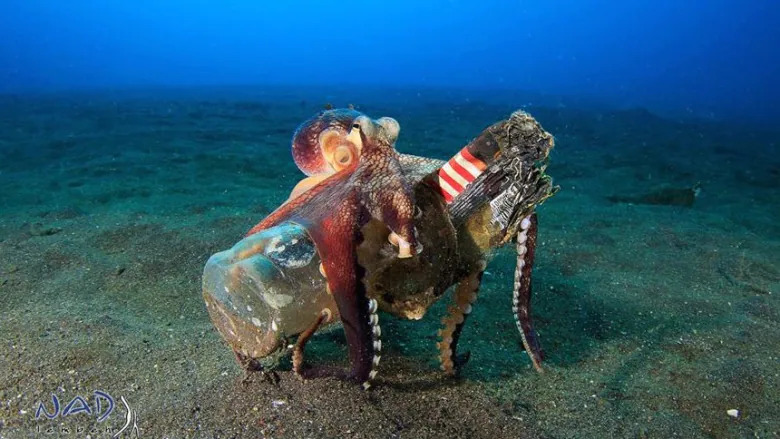
What does an octopus eat? For a creature with a brain in each arm, whatever's within reach

The octopus is one of the coolest animals in the sea.

The octopus is one of the coolest animals in the sea.

For starters, they are invertebrates. That means they don’t have backbones like humans, lions, turtles and birds.

That may sound unusual, but actually, nearly all animals on Earth are invertebrates – about 97%.

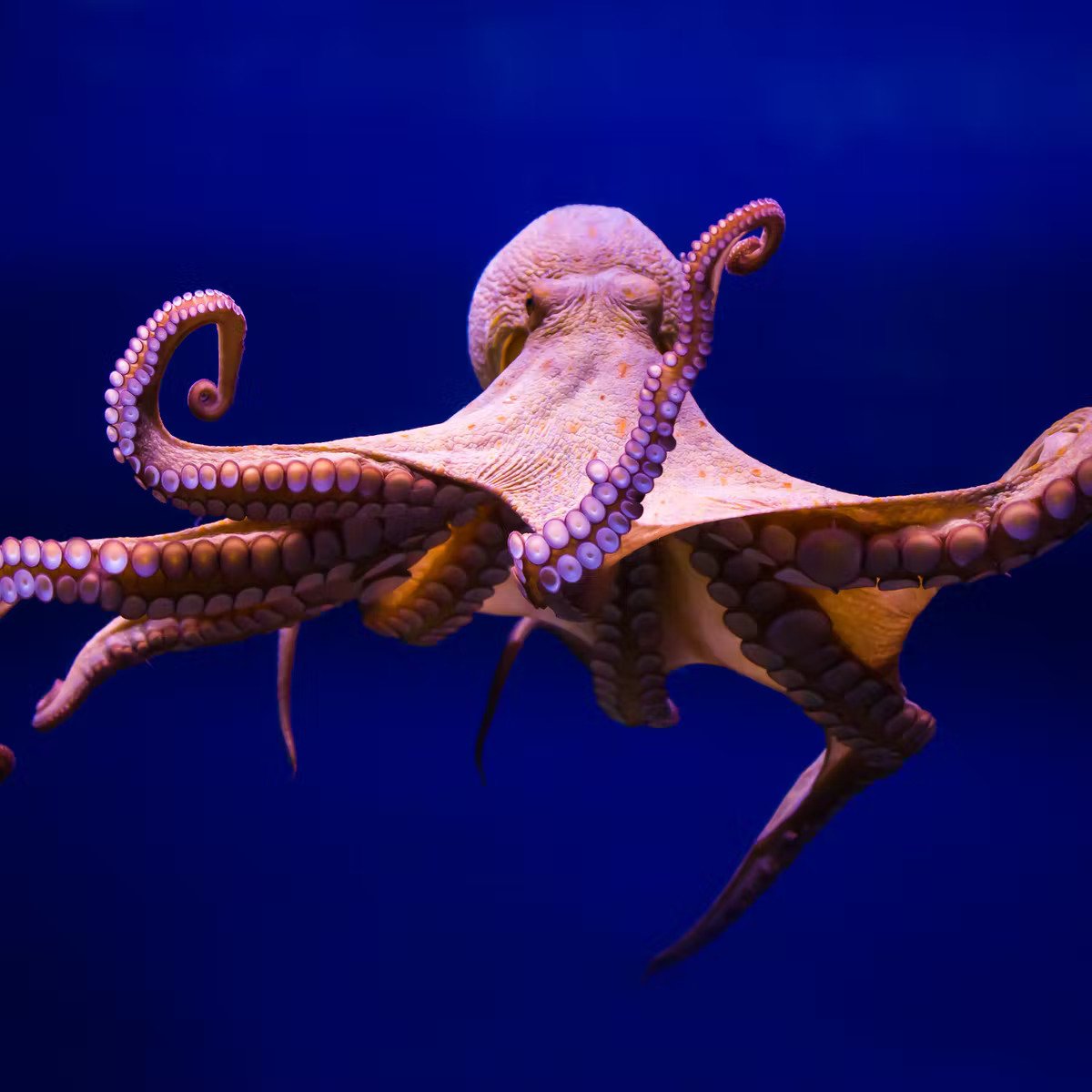
Octopuses are a specific type of invertebrate called cephalopods. The name means “head-feet” because the arms of cephalopods surround their heads. Other types of cephalopods include squid, nautiloids and cuttlefish.

What do they eat?

As marine ecologists, we conduct research on how ocean animals interact with each other and their environments. We’ve mostly studied fish, from lionfish to sharks, but we have to confess we remain captivated by octopuses.

What octopuses eat depends on what species they are and where they live. Their prey includes gastropods, like snails and sea slugs; bivalves, like clams and mussels; crustaceans, like lobsters and crabs; and fish.

To catch their food, octopuses use lots of strategies and tricks. Some octopuses wrap their arms – not tentacles – around prey to pull them close. Some use their hard beak to drill into the shells of clams. All octopuses are venomous; they inject toxins into their prey to overpower and kill them.

Where do they live?

There are about 300 species of octopus, and they’re found in every ocean in the world, even in the frigid waters around Antarctica. A special substance in their blood helps those cold-water species get oxygen. It also turns their blood blue.

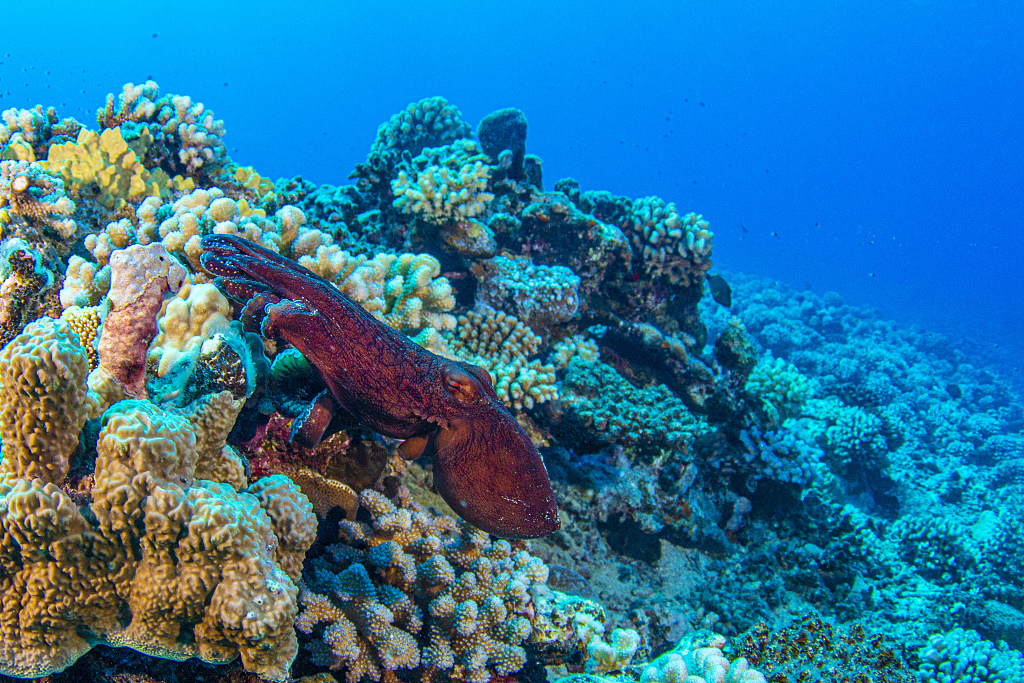
You can find octopuses at different depths too. Some are found on warm tropical reefs just a few feet below the surface of the water. Others live deep in the sea, practically in the dark. The species that goes deepest is the dumbo octopus, spotted at 22,800 feet down – that’s more than 4 miles (almost 7 kilometers).

How smart are they?

Octopuses are at the head of the class. They are among the smartest invertebrates on Earth. They have nine brains – one mini-brain in each arm and another in the center of their bodies. Each arm can independently taste, touch and perform basic movements, but all arms can also work together when prompted by the central brain.

Octopuses put their brains to good use. They can solve mazes and puzzles, particularly when food is the reward. Sometimes they even outsmart people: At the New Zealand National Aquarium, Inky figured out how to sneak out of his tank and escape to the ocean through a drainpipe.

How do they change color?

Octopuses are experts at disguising themselves so they can blend in with their surroundings. One way they do it is by changing color. Special cells, called chromatophores, receive a signal from the brain to tighten the muscles to show more color, or loosen them to show less. Blue, green, pink, gray – they turn those colors and more to hide from predators, attract mates, draw in prey and warn enemies to stay away.

Some species also change their skin texture, making it smoother or bumpier, so they can camouflage themselves in rocks and foliage. Some spray ink when confronted by predators like sharks; this allows the octopus enough time to swim to safety.

The mimic octopus is particularly clever. It moves its arms in particular ways to imitate other ocean animals. For example, if it wants to look fierce, it extends two black-and-white striped arms out wide to look like the venomous sea snake. Or it flattens itself along the sea floor, arms next to its body, to look like a poisonous flatfish. Read More...

Previous Post

Act now to protect rights of nature: NGT chairman

Next Post

Megalodon shark extinction may have been linked to great white competition

Comments