What does the 'Qatargate' scandal mean for European democracy?
-
 Loading...
 - Carla Colombo
- 17 Feb 2023
- 73 Views
- 0 Like
- 0 Comment
An EU-wide ethics body that is fully equipped to rise to challenges such as ‘Qatargate’ must be established, writes Alexander Conway
In December, Belgian police launched raids on homes and apartments across Brussels, while security officers sealed off members of the European Parliament’s (MEPs) offices across the sprawling European Parliament complex.
Initially, six suspects were arrested, including a now former vice-president of the European Parliament and member of the centre-left S&D Group, and more than €1.5m in cash hidden in nappy bags, prams, computers, and phones were seized from apartments and hotel rooms in the city.
Several suspects associated with the parliament remain in detention on suspicion of corruption and money laundering for Qatar, and potentially other countries like Morocco, in what has been dubbed ‘Qatargate’.
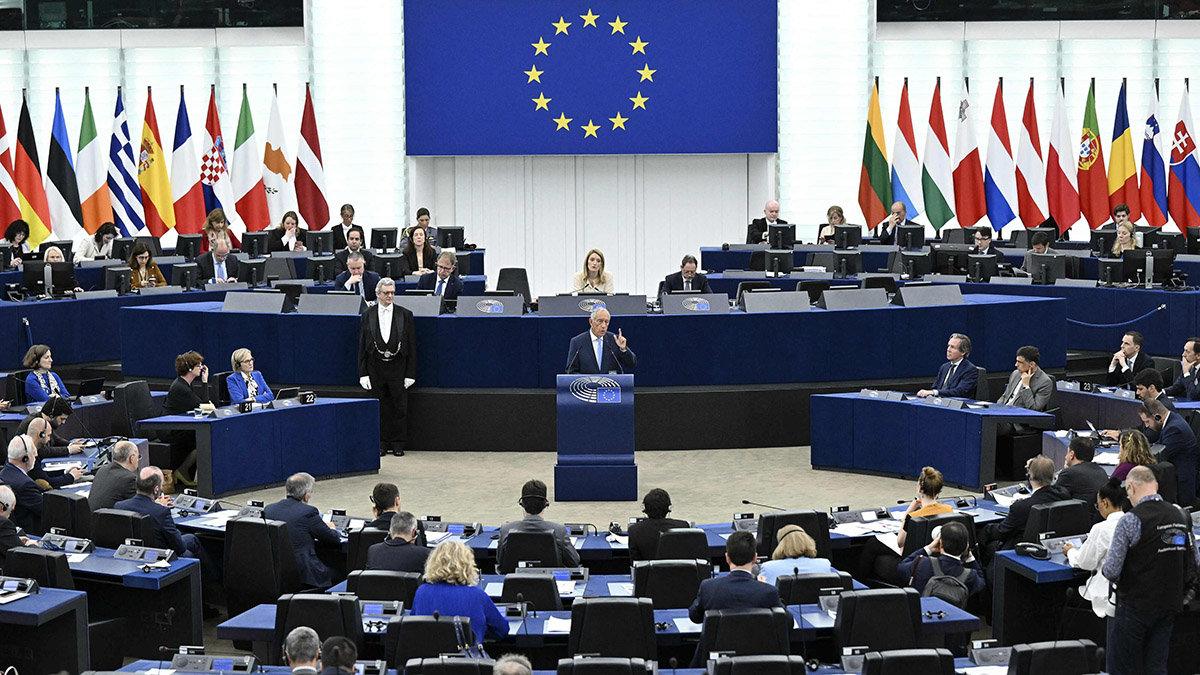
This story is the stuff of spy drama, but is there any more substance to it than that? Further to European Parliament president Roberta Metsola’s visit to Ireland last week, how seriously should we consider her previous remarks that “European democracy is under attack”?
In reality, the allegations are not an existential threat to the EU, but the Qatargate scandal has certainly undermined the EU’s credibility as a moral authority and has highlighted the lax enforcement of rules in the European Parliament.
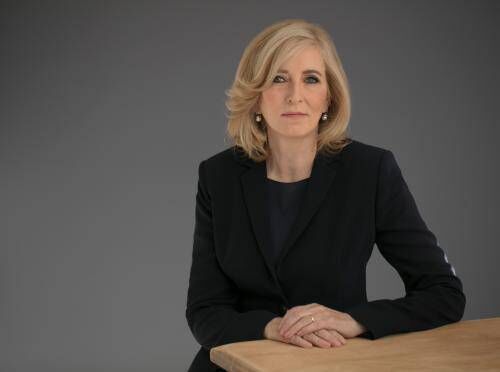
As the European Ombudsman Emily O’Reilly has said, the investigation is a “gift” to Eurosceptics seeking to push anti-EU narratives.
It has made it more difficult for the EU to play a role in challenging threats to the rule of law, anti-democratic legislation, and threats to judicial independence in Poland and Hungary. Read More…