What I Wish I Knew Before Climbing Mount Toubkal
-
 Loading...
 - Linda Claasen
- 05 Jul 2024
- 64 Views
- 0 Like
- 0 Comment
Climbing Mount Toubkal, the highest peak in North Africa, is a thrilling adventure that promises breathtaking views and a profound sense of achievement. Located in the High Atlas Mountains of Morocco, this trek is accessible yet challenging, making it a popular choice for hikers from around the world. However, as with any major undertaking, there are several key insights and tips that can make the experience more enjoyable and less daunting. Here’s what I wish I knew before embarking on this incredible journey.
1. The Importance of Physical Preparation
Building Stamina and Strength
Before setting out to conquer Mount Toubkal, it's crucial to prepare your body for the demands of the hike. This involves:
- Cardiovascular Training: Engage in activities like running, cycling, or swimming to build your stamina.
- Strength Training: Focus on leg and core exercises to enhance your endurance and stability on the rocky terrain.
- Hiking Practice: Try to hike regularly, increasing the difficulty and length of your hikes over time to simulate the conditions of Mount Toubkal.
Acclimatization to Altitude
Altitude sickness is a real concern when climbing Toubkal, which stands at 4,167 meters. To minimize the risk:
- Gradual Ascent: Allow for a gradual ascent to help your body adjust to the altitude. Spending a night or two in Imlil or at the base camp can aid acclimatization.
- Hydration: Drink plenty of water to stay hydrated and help your body cope with the altitude.
- Medication: Consult your doctor about medication for altitude sickness if you have concerns.
2. Packing the Right Gear
Clothing
The weather on Mount Toubkal can be unpredictable, with temperatures varying significantly between day and night. Pack:
- Layered Clothing: Wear layers that you can add or remove based on the temperature.
- Waterproof Jacket and Pants: Essential for protection against rain and wind.
- Warm Hat and Gloves: To protect against the cold, especially at higher altitudes.
Footwear
- Sturdy Hiking Boots: Ensure they are well-fitted, broken in, and provide good ankle support.
- Thick Socks: Preferably wool or moisture-wicking material to keep your feet dry and warm.
Essential Gear
- Backpack: Comfortable and spacious enough to carry your essentials.
- Trekking Poles: Useful for stability and reducing strain on your knees.
- Headlamp: For early morning starts or late finishes.
- First Aid Kit: Include basic supplies for blisters, cuts, and other minor injuries.
3. Understanding the Route
Starting Point: Imlil
Most treks to Mount Toubkal start from the village of Imlil. It's advisable to spend at least one night here to acclimatize and prepare.
The Ascent
The climb typically takes two days:
- Day 1: Hike from Imlil to the Toubkal Refuge (base camp), which takes about 5-7 hours. The trail is well-marked but can be strenuous, with a mix of rocky paths and steep inclines.
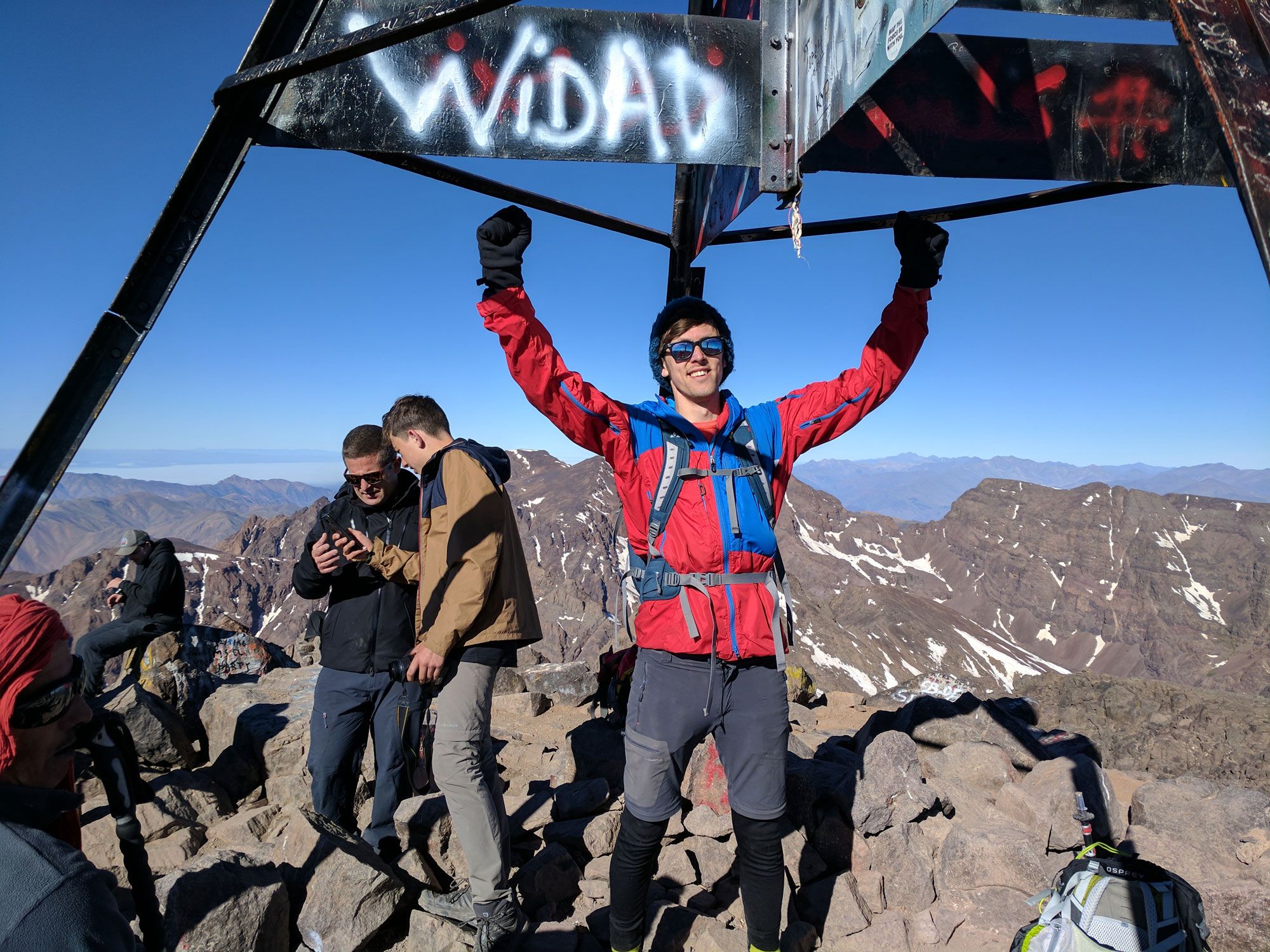
- Day 2: Summit attempt, starting early in the morning to catch the sunrise from the peak. The climb to the summit takes around 3-4 hours, followed by a descent back to the base camp and then to Imlil.
Weather Conditions
- Seasonal Variations: The best times to climb are late spring to early summer (May to June) and early autumn (September to October) when the weather is relatively stable.
- Weather Monitoring: Always check the weather forecast before starting your ascent and be prepared for sudden changes.
4. The Role of a Guide
Hiring a Guide
While the trek can be done independently, hiring a local guide can enhance your experience:
- Knowledge and Safety: Guides know the terrain well and can ensure your safety.
- Cultural Insights: They can provide valuable information about the local culture and environment.
Choosing a Guide
- Recommendations: Look for guides with good reviews and recommendations from other trekkers.
- Language: Ensure the guide speaks a language you are comfortable with, typically English or French.
5. Staying at the Refuge
Toubkal Refuge
The Toubkal Refuge (Neltner Hut) is the main base camp for climbers:
- Facilities: Basic but comfortable, offering dormitory-style accommodation, meals, and a place to rest.
- Booking: It's advisable to book your stay in advance, especially during peak trekking seasons.
What to Expect
- Shared Spaces: Be prepared for communal living, with shared dormitories and bathrooms.
- Meals: Simple but hearty meals are provided, which are essential for energy replenishment.
6. Respecting the Environment and Culture
Environmental Responsibility
- Leave No Trace: Carry all your trash back to Imlil and avoid disturbing the natural environment.
- Water Sources: Use water sparingly and treat any water you collect from natural sources.
Cultural Sensitivity
- Local Customs: Respect local traditions and dress modestly, especially in the villages.
- Interactions: Be polite and considerate when interacting with local residents and fellow hikers.
7. Mental Preparation
Setting Realistic Expectations
Climbing Mount Toubkal is challenging but achievable with the right mindset. Prepare yourself for:
- Physical Strain: The hike is demanding, especially the final ascent.
- Altitude Effects: You may experience symptoms of altitude sickness, so be prepared to manage them.
Staying Motivated
- Goal Setting: Keep your eyes on the prize – reaching the summit and enjoying the spectacular views.
- Pacing Yourself: Take breaks when needed and listen to your body.
Climbing Mount Toubkal is an unforgettable adventure that requires thorough preparation, both physically and mentally. By understanding the challenges and equipping yourself with the right knowledge and gear, you can make the most of this incredible experience. Whether you're an experienced hiker or a novice, the journey to the top of North Africa's highest peak is sure to be a memorable and rewarding endeavor.