What Is Butt Acne And How Do You Get Rid Of It?
-
 Loading...
 - Catherine Clement
- 18 Apr 2023
- 62 Views
- 0 Like
- 0 Comment
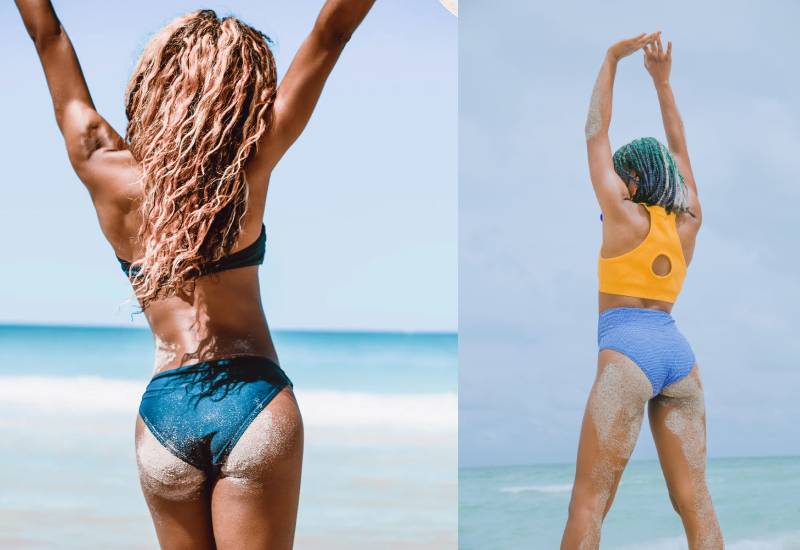
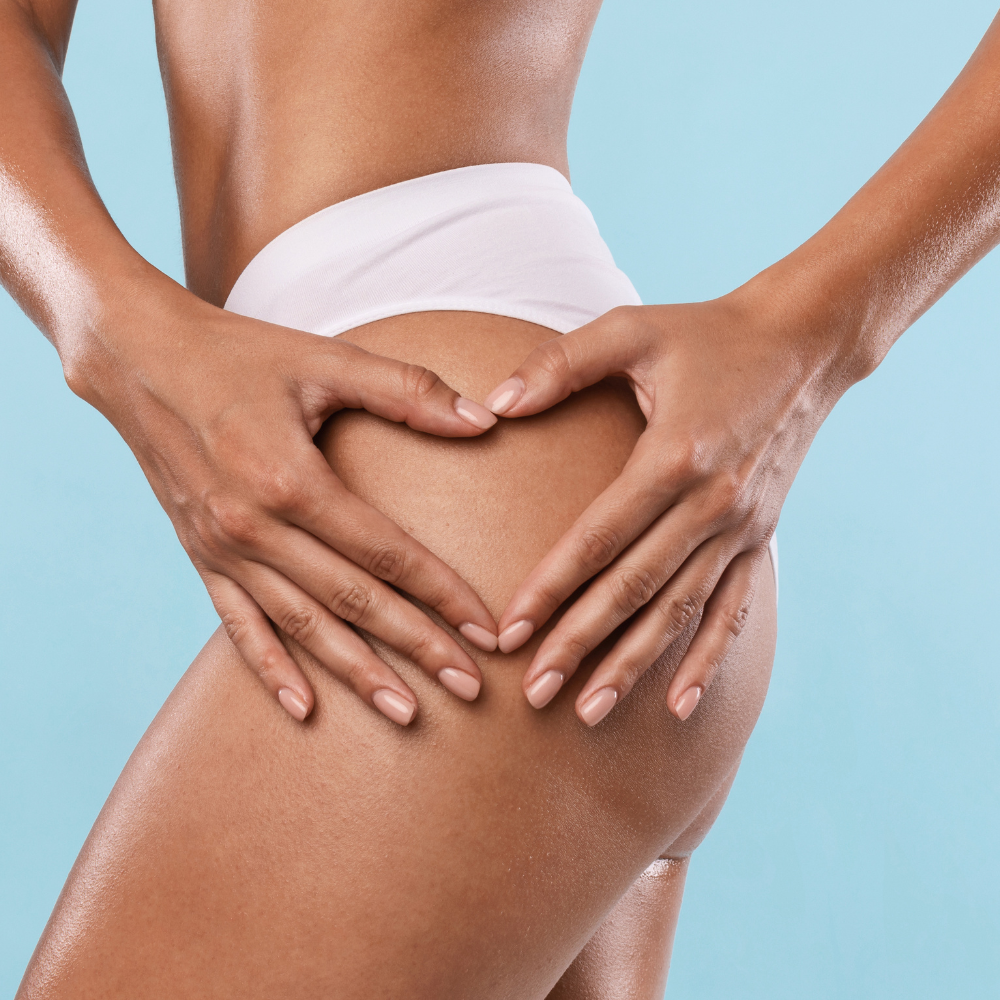
While for some the bikini season brings excitement, it could cause anxiety for others. The world of strappy swimsuits may be one that individuals with butt acne often dread. Butt acne, also known as “buttne,” is a skin condition that causes pimples or small [red] bumps to appear on the buttocks. These bumps may be filled with pus or painful to touch. It occurs when hair follicles become clogged with oil, dead skin cells, and bacteria.
Due to these clogged follicles, a blockage arises. As a result, the oil and bacteria are trapped inside the hair follicle and cannot escape to the surface of the skin. This leads to the development of a pimple or bump, which can be inflamed, and painful.
The bacteria trapped inside the clogged hair follicles can cause an infection, leading to the formation of pus-filled bumps. This type of acne is called acne vulgaris or “common acne.” A condition called folliculitis can also cause butt acne. This is an inflammation of the hair follicles. Bacterial, fungal, or viral infections can cause folliculitis and can appear as small red bumps filled with pus. People who are prone to acne on their faces or other areas of their bodies may also experience this condition.
Causes of butt acne
Some of the common causes of butt acne include:
Friction: Wearing tight clothing or sitting for long periods can cause friction and irritation on the buttocks, leading to the development of butt pimples.
Sweat: Excessive sweating can also contribute to the development of butt acne. Sweat can mix with oil and dead skin cells, clogging pores and causing inflammation. After that sweaty day at the gym, please have a good bath to avoid zits on your butt.
Hormonal changes: Fluctuations in hormones, such as those that occur during puberty, pregnancy, or menopause can increase oil production, which can lead to buttne.
Poor hygiene: Lack of proper hygiene, such as not showering regularly or not washing the buttocks properly, can cause the buildup of oil, bacteria, and dead skin cells, leading to this no-so-pleasant condition. Read More…